
Last updated November 23, 2026
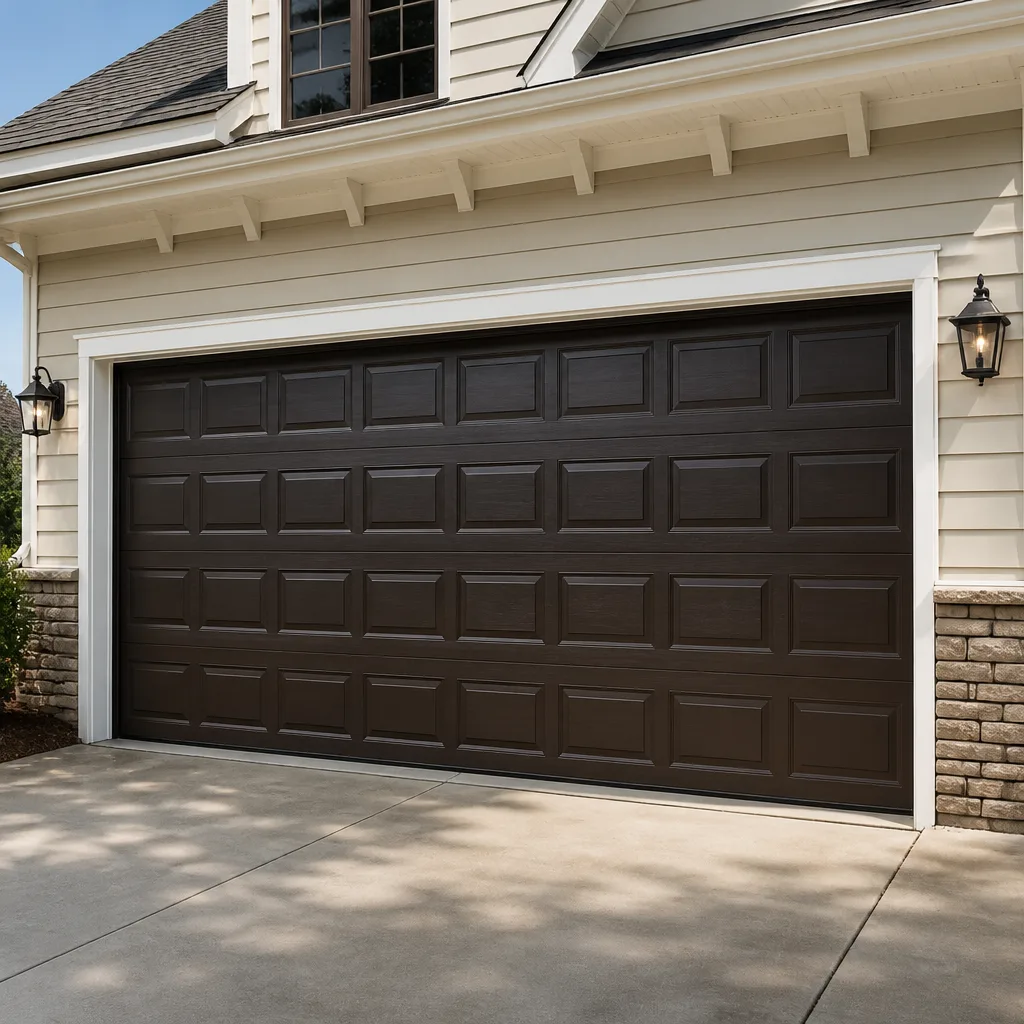 Raised-panel steel
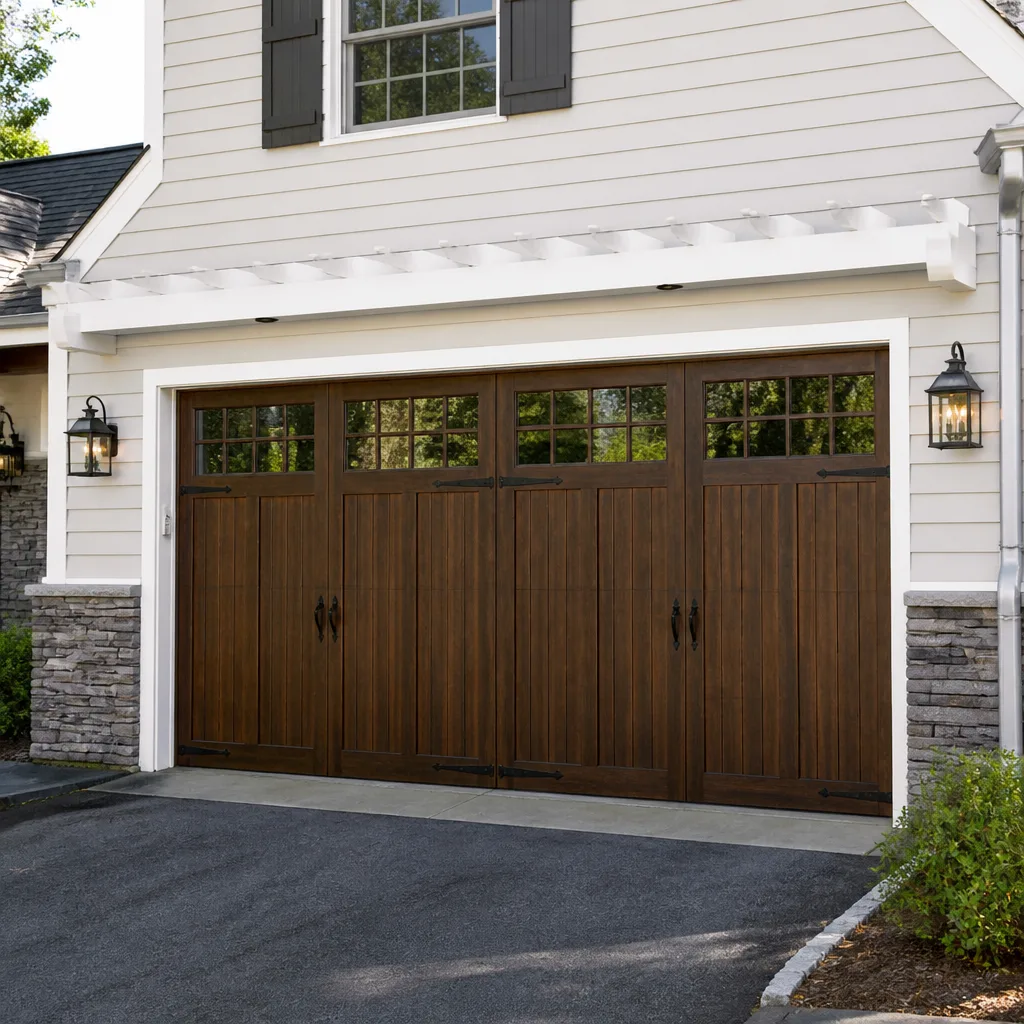 Carriage house
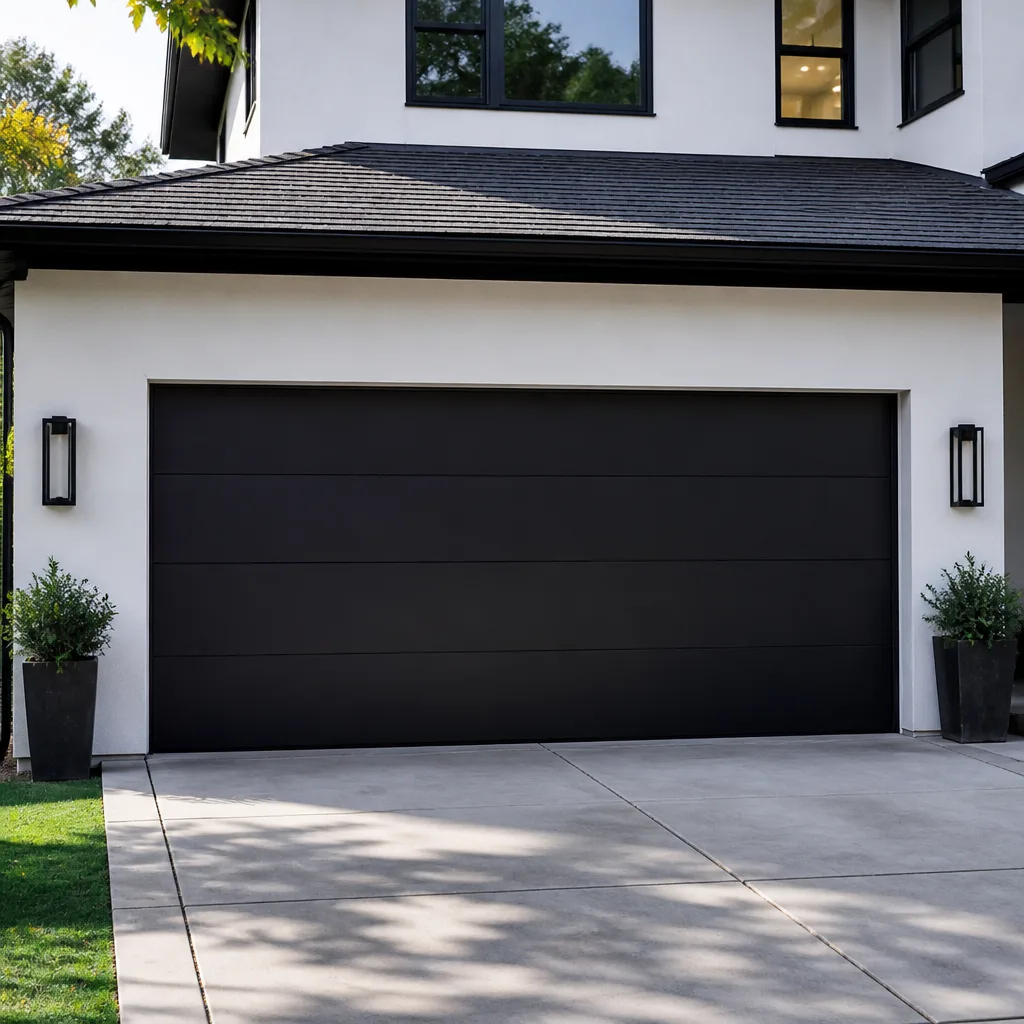 Modern flush
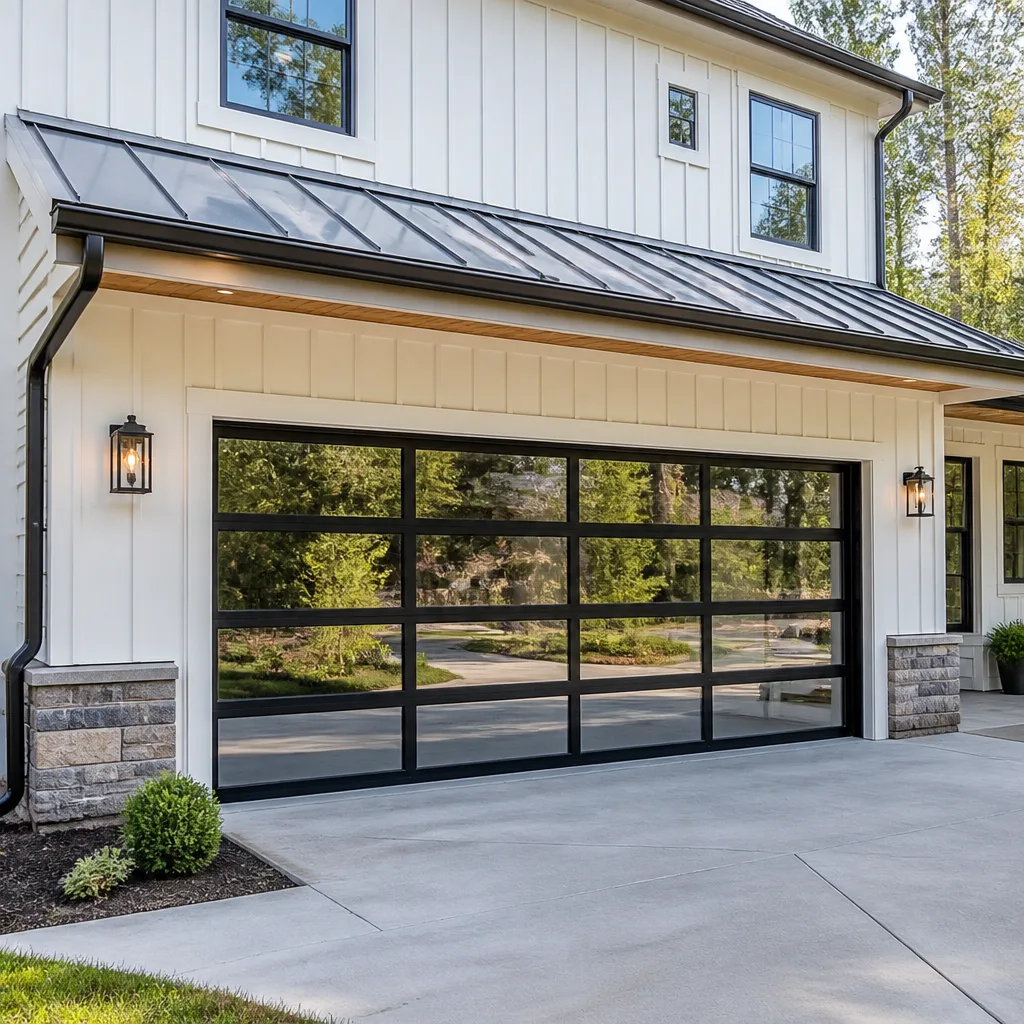 Full-view glass
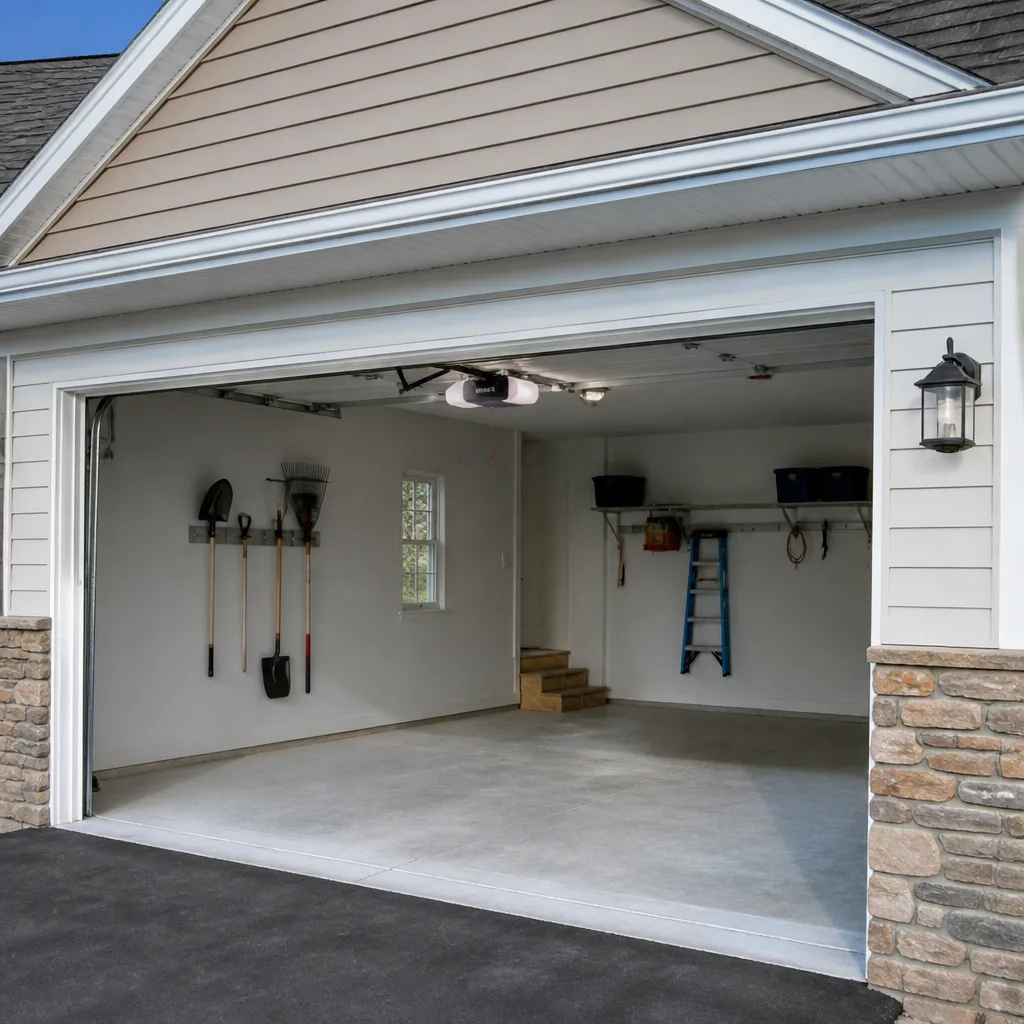 LiftMaster openers
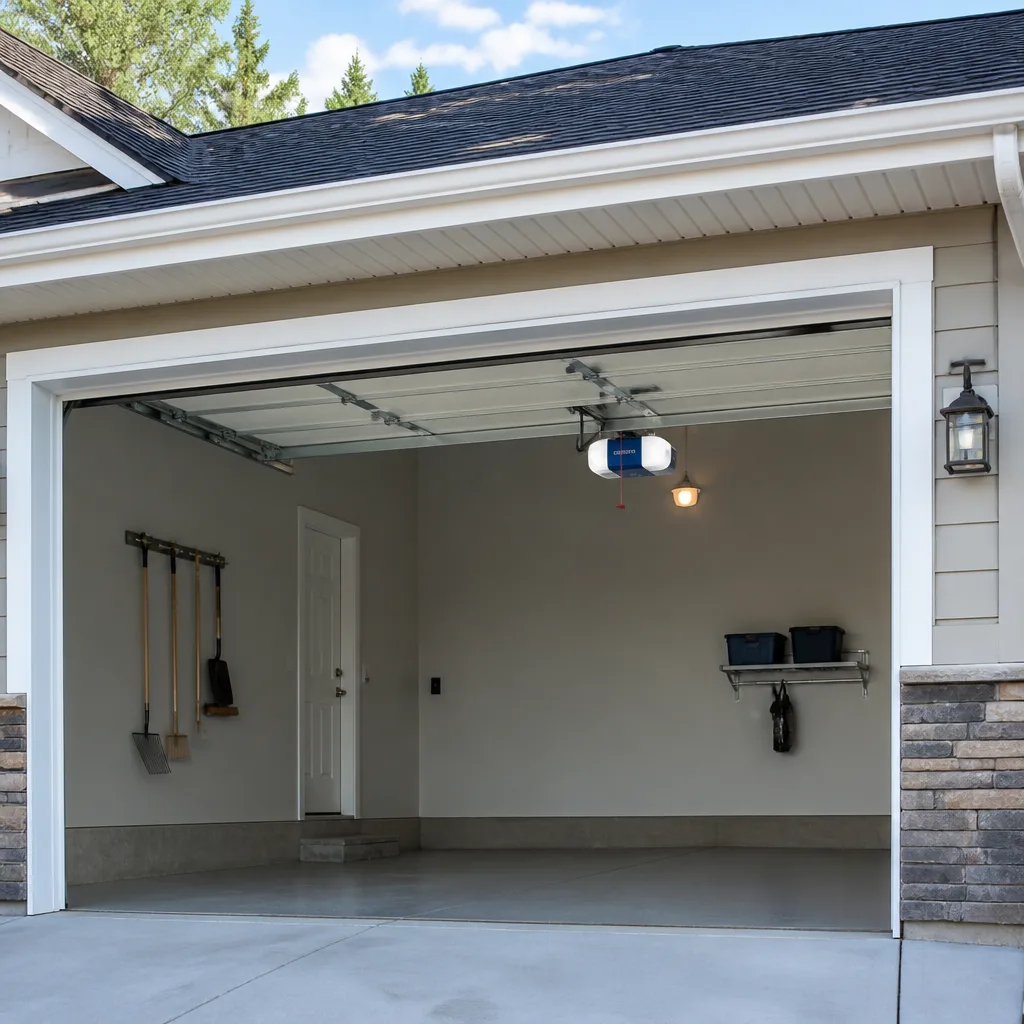 Chamberlain openers
Full 25-point door and opener safety check with every visit - springs, cables, rollers, tracks, and your LiftMaster or Chamberlain opener included
You get a price before we start. It does not change when the pro arrives.
Get your free estimateThe Complete Guide to Garage Doors in Jupiter
Most garage door advice online is written for a house in Ohio. Jupiter isn’t that house. Here, a garage door faces 90% humidity for months, salt in the air, and wind-load rules that make a lot of generic buying advice either pointless or unsafe. That’s why half of what you’ll read about “choosing a garage door” doesn’t fit a Palm Beach County home. This guide treats the Jupiter climate as the main variable, not a footnote. You’ll learn how Florida wind-load ratings actually work, which materials hold up, how to match an opener to our heat, and when a specialist can fix what a single-brand dealer would rather replace.
Styles & brands we work with
- Raised-panel steel
- Carriage house
- Modern flush
- Full-view glass
- LiftMaster openers
- Chamberlain openers
Quick Answer
A garage door in Jupiter has to survive humidity, salt air, and hurricane-season wind loads, so the door you buy and the opener you pair with it matter more here than in most of the country. Buy a door rated for the wind zone your home sits in, favor materials and finishes that resist corrosion, and choose an opener whose drive system suits a hot garage. For repairs, a garage door specialist can often service the system you already own rather than push a replacement.
Table of Contents
- Why Jupiter Garage Doors Face Different Demands
- Wind-Load Ratings and Miami-Dade NOA Approvals
- Hurricane-Rated vs Impact-Rated Doors
- Which Materials Hold Up in Coastal Jupiter
- Matching an Opener to Jupiter’s Heat
- Why Single-Brand Dealers Default to Replacement
- Repair or Replace: How to Decide
- The Parts You Should Never Touch Yourself
- Common Mistakes to Avoid
- When to Call a Professional
- Frequently Asked Questions
- The Bottom Line
Why Jupiter Garage Doors Face Different Demands
A garage door here lives a harder life than the same door three states north. In Jupiter, the garage is often the hottest, most humid room in the house, and the door is the biggest moving part on the whole property. Heat, moisture, and airborne salt all work on it at once. That combination shortens the life of steel finishes, stresses opener electronics, and puts more load on springs and hardware than a mild, dry climate ever would.
The second factor is code. Palm Beach County sits in a wind zone that requires doors to hold up under hurricane-season pressure, which changes what “a good door” even means. A door that would be perfectly fine inland may not meet the rating your home needs here. Buyers who skip this step end up with a door that fails inspection or, worse, a door that can’t take the load it was supposed to.
The third factor is who’s servicing it. Jupiter has plenty of general handyman services and single-brand dealers. A generalist has to guess at the system on your wall. A single-brand dealer often leans toward selling you a new door in the brand they carry. A garage door specialist works on the door and opener you already have, across the brands actually installed in local homes. That distinction matters every time something breaks.
We focus on one trade only. That’s the whole point of hiring a specialist for a Jupiter garage door: you want someone whose entire day is springs, panels, tracks, openers, and remotes, not someone squeezing it in between plumbing and drywall.
Wind-Load Ratings and Miami-Dade NOA Approvals
If you’re buying a new garage door in Palm Beach County, the wind-load rating is the first thing to confirm, before color or style. Florida Building Code sets how much wind pressure a door must resist based on where the home is, and products are approved against those standards. The best-known benchmark is a Miami-Dade Notice of Acceptance, or NOA, which signals a product has been tested and approved for high-wind use. Not every door sold locally carries one, and a door without the right rating for your home can create problems at inspection or in a storm.
Here’s how to approach it:
- Find out the wind zone and required rating for your specific home. Your city’s building department is the right place to ask, and they’ll tell you what applies to your address.
- Ask the supplier to show the door’s approval documentation, including whether it carries a Miami-Dade NOA where required.
- Confirm the rating covers the full assembly, not just the door panel. Reinforcement, hardware, and the track all play into how the door performs under load.
- Keep the documentation. It matters for inspection now and for resale later.
This is one place where generic advice fails completely. A guide written for a mild climate will tell you to pick a style and measure the opening. In Jupiter, the code question comes first. A specialist who works here should be able to talk you through the rating and point you to the documentation, then let the building department confirm the requirement for your home.
Hurricane-Rated vs Impact-Rated Doors
Homeowners confuse these two constantly, and the mix-up leads to buying the wrong door. They are not the same thing. A wind-load or hurricane rating is about the door’s ability to resist pressure and stay in its opening during high wind. An impact rating is about resisting a flying object striking the door. A product can carry one without the other, and a door that needs both should be specified with both in mind.
For a Jupiter home, think of it this way:
- Wind-load / hurricane rating: can the door withstand the pressure of hurricane-season wind and keep the opening intact?
- Impact rating: can the door panel and assembly take a strike from debris without failing?
- Both together: what a genuinely storm-ready door in this market should address, subject to what your home’s requirements call for.
The confusion usually shows up as a homeowner asking a dealer for “a hurricane door” and getting a wind-rated product that doesn’t address impact at all, or the reverse. Before you buy, get clear on which rating your address actually requires, then confirm the product you’re considering carries the documentation to match. Reach out to the building department with your address and the answers come back specific to your home. That five-minute call saves a lot of guesswork.
If a storm has already left your existing door damaged or out of alignment, that’s a repair decision first. Our garage door repair team can assess whether the door and its hardware are still sound before you consider replacement.
Which Materials Hold Up in Coastal Jupiter
Salt air and constant humidity are the two enemies of a garage door finish, and both are part of daily life in Jupiter. The material and finish you choose will decide how long the door looks good and how often you touch it up. Steel is the most common choice, but not all steel is equal. What matters is the finish and the galvanization, not just the metal underneath.
Here’s how the common options tend to behave in this climate:
- Steel with a good galvanized base and a factory finish: the practical workhorse. It resists corrosion well when the finish is intact, and touch-ups are straightforward. Ask about the galvanization grade and the finish warranty, not just the steel gauge.
- Aluminum: naturally corrosion-resistant, a solid pick where rust is the worry. It’s lighter, so confirm it’s rated for the wind load your home needs.
- Wood and wood-composite: handsome, but the most demanding in humidity. They need consistent sealing and attention to any exposed edges, or moisture gets in and stays.
- Fiberglass and composite panels: resist moisture well, but check finish and impact performance against your requirements.
The lesson here is that the finish and hardware often outlast the panel. Hinges, rollers, and fasteners are where corrosion shows up first, and a stainless or coated hardware package makes a real difference over the years in Jupiter. When you’re comparing doors, look past the panel color and ask what’s holding it together.
Matching an Opener to Jupiter’s Heat
A garage in Jupiter can get hot enough to cook an opener that’s under-spec’d, and heat is the quiet cause of a lot of opener failures. The drive system you choose matters more here than in a cool climate. Belt, chain, and direct drive each behave differently as the garage heats and cools through the day, and so do the electronics, the remote range, and the safety sensors.
Here’s the practical matchup:
- Chain drive: tough and proven, good for heavier doors. It’s the loudest option, and the metal-on-metal noise can be a factor in an attached garage.
- Belt drive: quieter and smoother, a good fit for most Jupiter homes where the garage sits under or beside a bedroom. Belt condition matters over time in heat.
- Direct drive: fewer moving parts, often quiet and steady. It’s a strong option for newer, well-balanced doors.
- Smart and Wi-Fi openers: convenient, but the electronics are what heat stresses. A unit rated for a hot environment lasts longer than a basic one stretched to its limit.
Beyond the drive, look at the electronics. Openers with smart-home compatibility from LiftMaster are common in local homes, and the app, remote, and sensor hardware all need to work together. When something goes wrong, the problem is usually in the electronics or the sensors, not the door itself. That’s why we treat garage door opener repair as its own specialty. A general repair shop often can’t diagnose the electronic side, so the symptom gets misread as a door problem.
Our technicians have up to 8 years of experience, and a good share of that is on the electronics. We can test a Raynor or Craftsman opener, work out whether the fault is the motor, the logic board, the remote, or a safety sensor, and fix the actual cause.
Why Single-Brand Dealers Default to Replacement
You call a dealer who sells one brand, and by the end of the visit you’re being quoted a whole new door. That pattern isn’t about your door being beyond repair. It’s about the business model. A single-brand dealer makes its money selling and installing its brand. The system already on your wall, whether it’s a Wayne Dalton, a LiftMaster, or a Craftsman, isn’t what they profit on top of. So a fixable problem becomes a replacement conversation.
A specialist works the other way around. We work on the brand you already own across eight major manufacturers: LiftMaster, Chamberlain, Genie, Clopay, Amarr, Wayne Dalton, Craftsman, and Raynor. When the spring has failed or a panel has bent, the first question is whether the existing system can be brought back, not whether you should buy a whole new one. Often it can. When replacement genuinely is the answer, we say so, and we tell you why.
This is the difference between “we work on your brand” and “we sell one brand.” For Jupiter homeowners, it means you don’t have to replace a sound door and a working opener just because the dealer who showed up only installs a different brand. That covers both the mechanical side and the electronic side in one visit, which is exactly what you want when the door is stuck and the car is trapped inside.
Repair or Replace: How to Decide
Most garage door problems are fixable, and the decision to replace should be based on the door and the opener, not on a sales pitch. Here’s how to think it through in order:
- What’s actually broken? A snapped spring, a bent track, a dead opener, a frayed cable, a single damaged panel. Many of these are individual parts a specialist can replace.
- Is the door structurally sound? Rusted-through panels, a sagging frame, or a door that’s out of the wind rating it needs may point toward replacement.
- How old is the opener? An opener that’s failing repeatedly on the electronics side is a candidate for replacement, though a single bad sensor or remote is a repair.
- What does the safety picture say? A door that won’t stay balanced or drops fast is a safety issue and needs professional attention before anything else.
- Get a diagnosis, not a pitch. A written estimate should tell you what’s wrong, what the fix is, and what a replacement would cost, so the decision is yours.
Our garage door spring repair is a core service because springs are the part most often misread as fatal to the whole door. A trained technician can replace a torsion or extension spring and have the door working again, which is a much smaller project than a full replacement and a whole lot faster.
The Parts You Should Never Touch Yourself
Springs, cables, and the hardware under tension are where real injuries happen, and that risk doesn’t care how handy you are. A torsion spring, the kind mounted horizontally above the door, holds tremendous stored energy. An extension spring on the side tracks does too. Releasing that energy without the right tools and training can cause serious injury or worse. We don’t give step-by-step instructions for touching them, because this is exactly the work that should go to a trained professional.
What you can safely do is observe and report. Check for these warning signs and call a specialist:
- A visible gap in the spring above the door, which usually means it has snapped.
- A door that feels very heavy or won’t lift by hand.
- A door that slams down hard or won’t stay open.
- Cables that look frayed, loose, or off their drum.
- Loud popping or banging from the springs when the door moves.
Leave the door closed if you can, keep people and cars clear of it, and call. Speed matters here for safety. Jupiter Garage Door Repair Pros takes emergency calls when a broken door is trapping a car or leaving a home unsecured. We answer 24/7. A call outside dispatch hours is booked into the next opening, Sunday through Friday, 7am to 7pm. Spring work is not a DIY repair, and it shouldn’t be treated like one.
Common Mistakes to Avoid
- Buying a door without confirming the wind-load rating for your address. In Jupiter, code compliance comes before style, and a door without the right rating can fail at inspection or in a storm.
- Confusing hurricane-rated with impact-rated. They address different threats, and a door that covers one may not cover the other. Get clear on what your home needs.
- Ignoring corrosion on hardware until it fails. In salt air and humidity, hinges, rollers, and fasteners give out before the panel does, so check them as part of routine upkeep.
- Letting a single-brand dealer talk you straight into a replacement. A specialist can often service the door and opener you already own, including the mechanical and electronic sides.
- Putting a cheap, under-spec’d opener in a hot garage. Heat shortens the life of electronics that weren’t built for it, so match the opener to the environment.
- Trying to fix a spring or cable yourself. These parts carry serious stored energy and require professional tools and training. This is not a DIY job.
- Skipping the written estimate. Make sure you get the diagnosis and the price in writing, and agree on it before any work starts, so there are no surprises when the job is done.
When to Call a Professional
Call a specialist when the door won’t open or close, when a spring has clearly broken, when a cable is frayed or off its drum, when the door is stuck and trapping a car or leaving the home open to the street, or when the opener runs but the door doesn’t move and the cause isn’t obvious. Also call when a door has taken a storm strike and you’re not sure whether the frame or hardware is still sound. These are the moments where a generalist guesses and a specialist diagnoses. The price is quoted and agreed before any work starts, so you know the total before anyone touches the door. Jupiter Garage Door Repair Pros offers free estimates in Jupiter. Call (877) 820-9302.
Frequently Asked Questions
You need a door rated for the wind zone your specific home sits in, and in Palm Beach County that usually means confirming Florida Building Code compliance and, where required, a Miami-Dade NOA. Ask your city’s building department what applies to your address, then confirm the door you’re considering carries the matching documentation. Getting this right before you buy prevents a failed inspection and a door that can’t take the load.
A hurricane or wind-load rating is about the door resisting wind pressure; an impact rating is about resisting a strike from debris. They’re different tests, and a door can have one without the other. For a Jupiter home, find out which your address requires and confirm the product carries the matching approval before you purchase.
Humidity and airborne salt accelerate corrosion, and the hinges, rollers, and fasteners are usually the first parts to go, even before the panel shows wear. Choosing a door with a good galvanized base and a quality factory finish helps, and so does a stainless or coated hardware package. Check the hardware during routine upkeep so a small part doesn’t become a bigger repair.
Yes. Opener problems are usually on the electronic side, in the motor, logic board, remote, or safety sensors, and we diagnose those directly. We work on openers from LiftMaster, Chamberlain, Genie, and more, so we repair the system you already own rather than push a replacement. Call (877) 820-9302 for a free estimate.
We take emergency calls when a broken door is trapping a car or leaving your home unsecured, and same-day service is often possible. We answer 24/7. A call outside dispatch hours is booked into the next opening, Sunday through Friday, 7am to 7pm. Call (877) 820-9302 and we’ll get you scheduled.
No. The written estimate sets the price, and we agree on it before any work starts. You get a diagnosis and a price in writing first, so you know what you’re paying before anyone touches the door. Call (877) 820-9302 for a free estimate.
The Bottom Line
A garage door in Jupiter is judged by climate and code, not by what a generic guide says. Confirm the wind-load rating for your address before you buy, understand that hurricane-rated and impact-rated are two different things, favor finishes and hardware that resist humidity and salt, and match your opener to a hot garage. When something breaks, a specialist who works on the brand you already own can often repair it instead of pushing a replacement. For the fix-it or the new-install side, Jupiter Garage Door Repair Pros is a garage door specialist, not a generalist.
Call (877) 820-9302 for a free estimate. We answer 24/7. Fast dispatch from 7am to 7pm, Sunday through Friday. The price is quoted and agreed before any work starts, and our technicians have up to 8 years of experience on the brand you already own.
Written by the team at Jupiter Garage Door Repair Pros.
See the difference
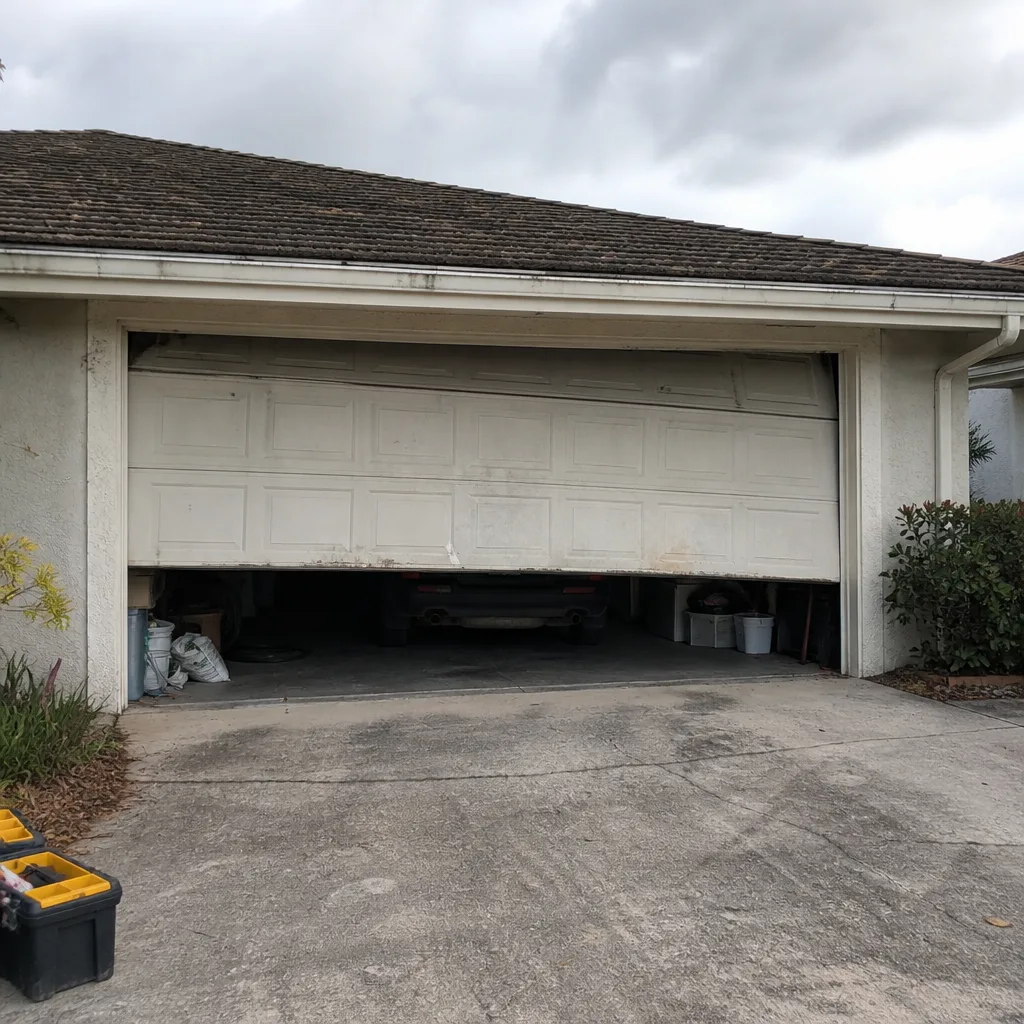 Before
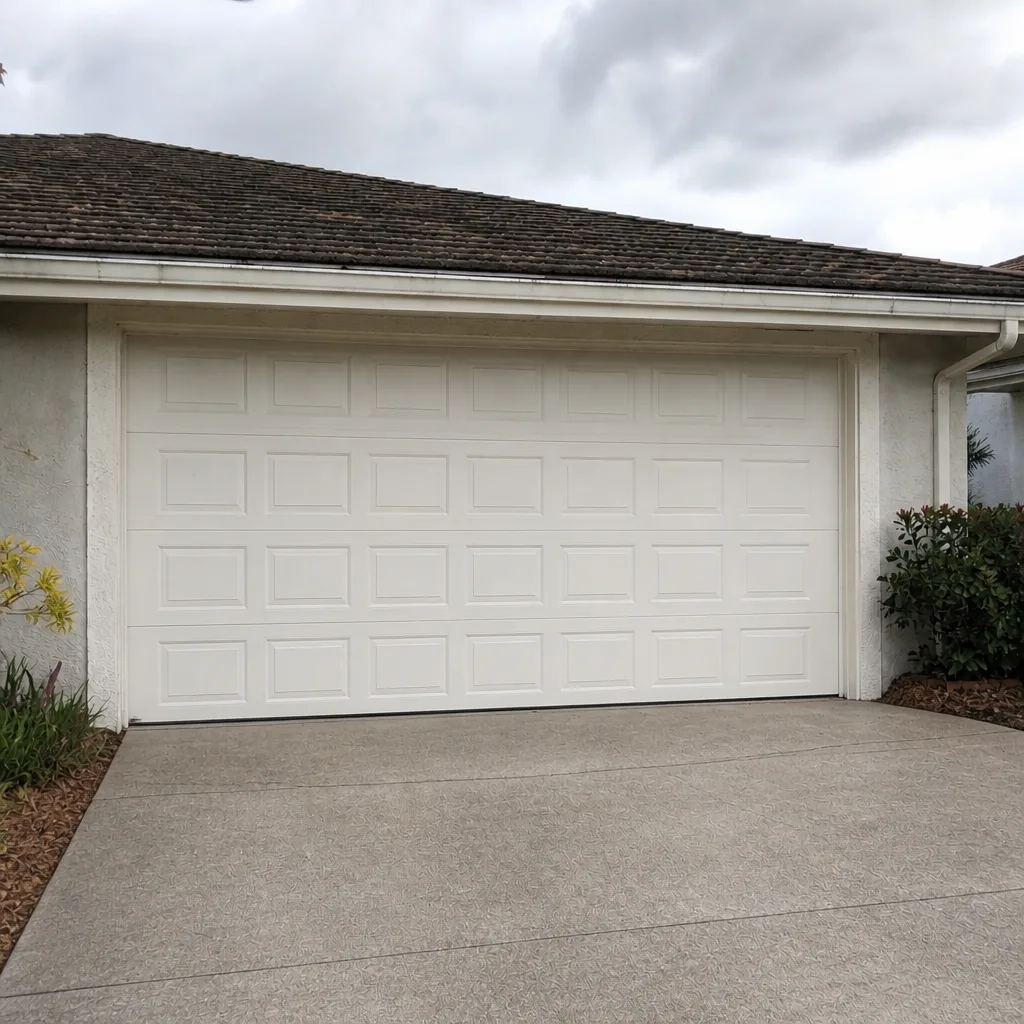 After
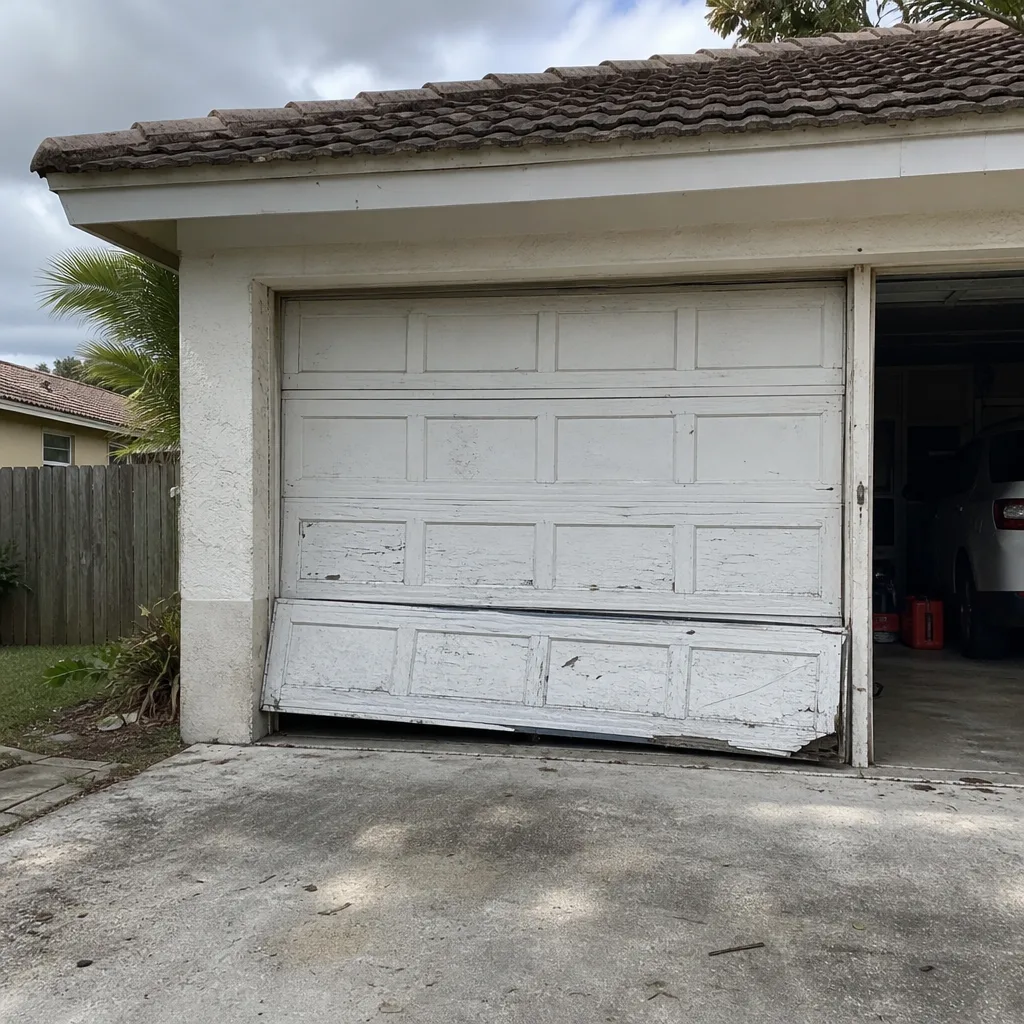 Before
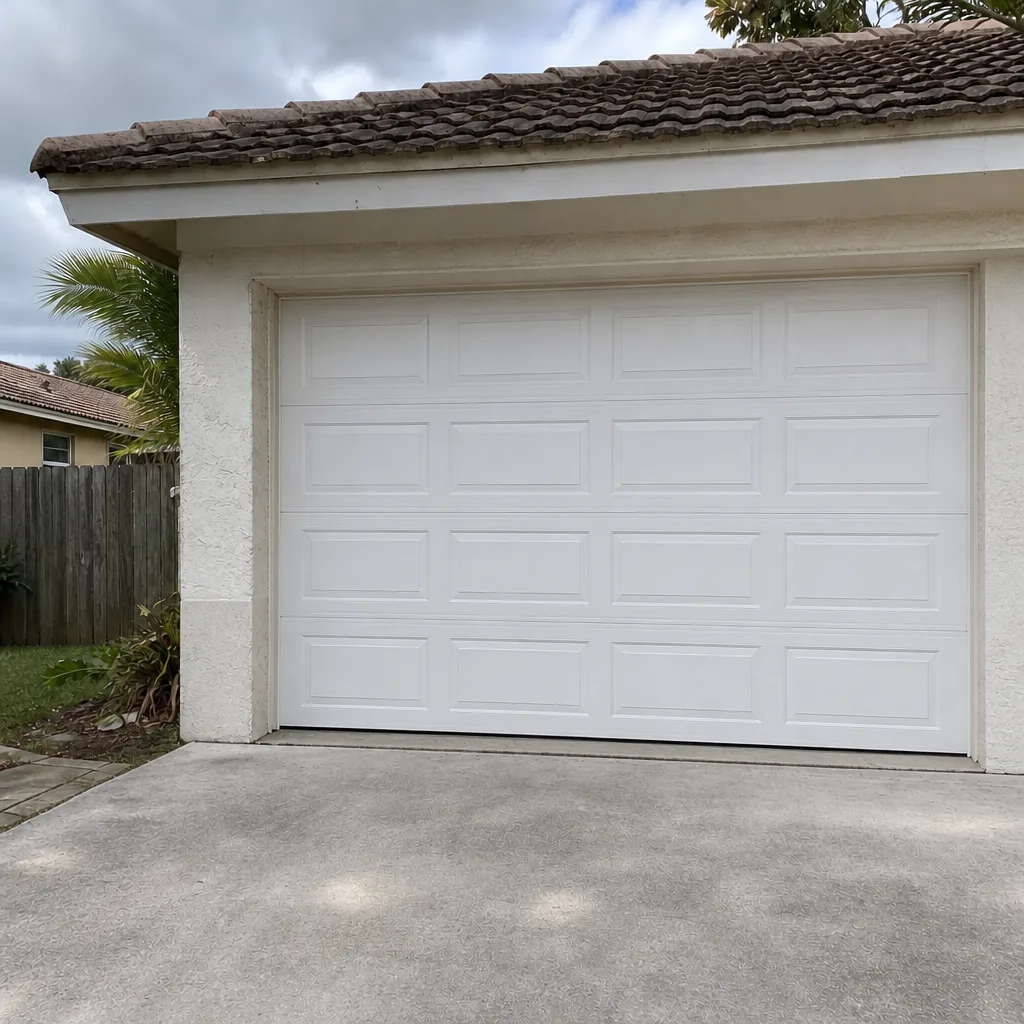 After
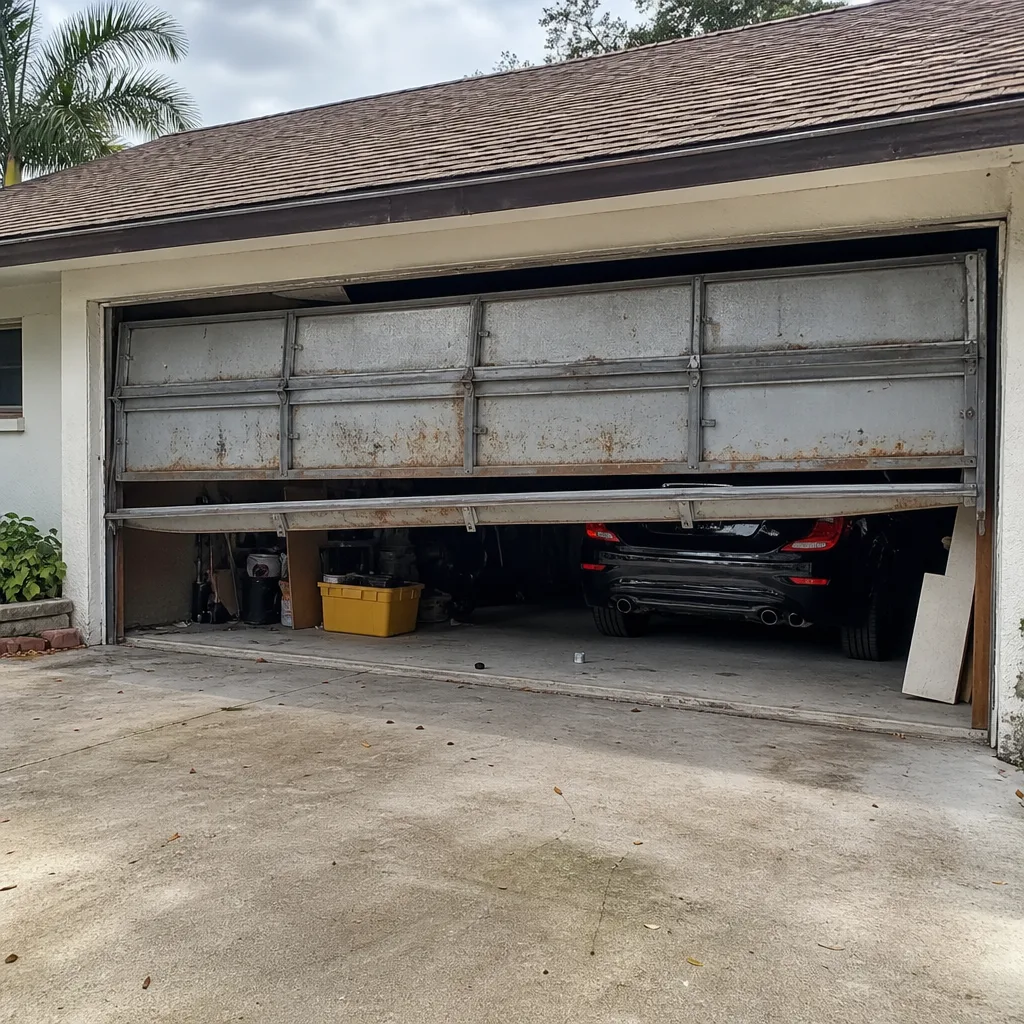 Before
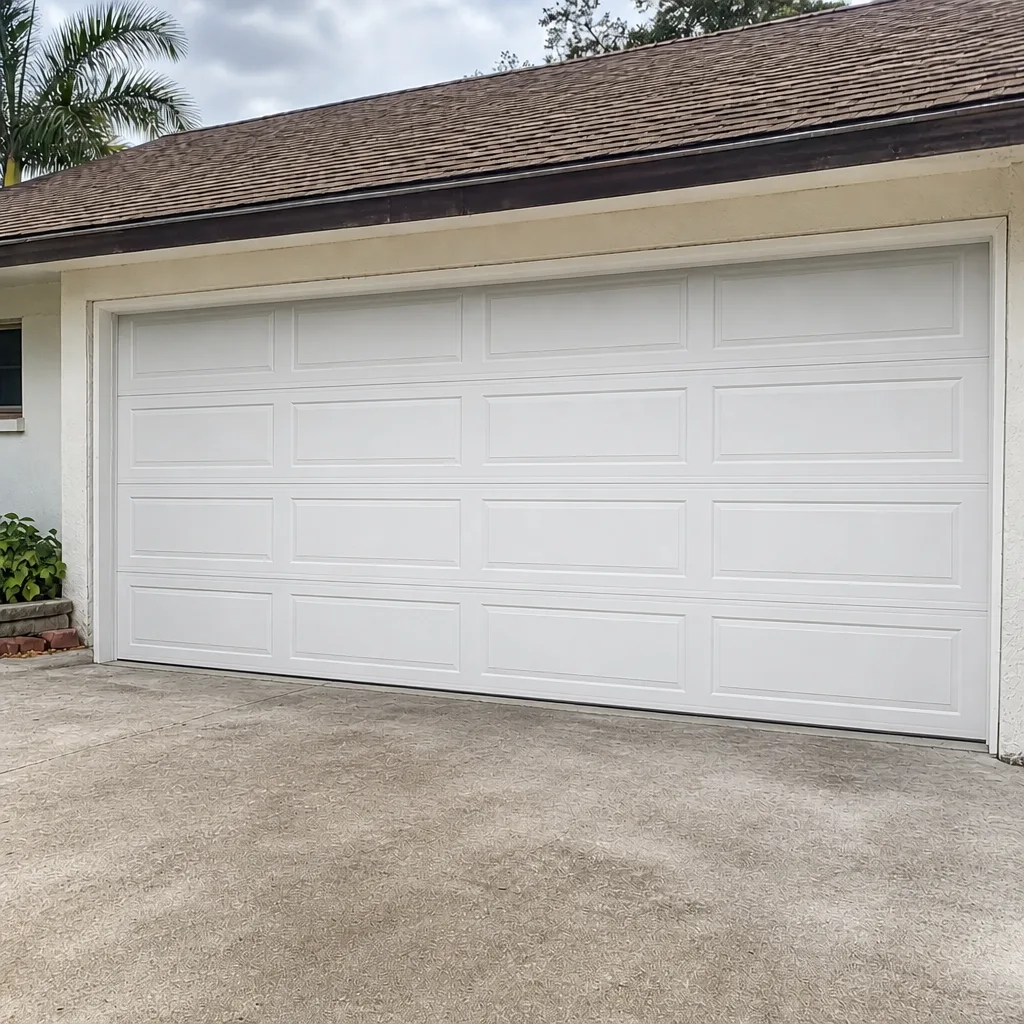 After