
Last updated November 23, 2026
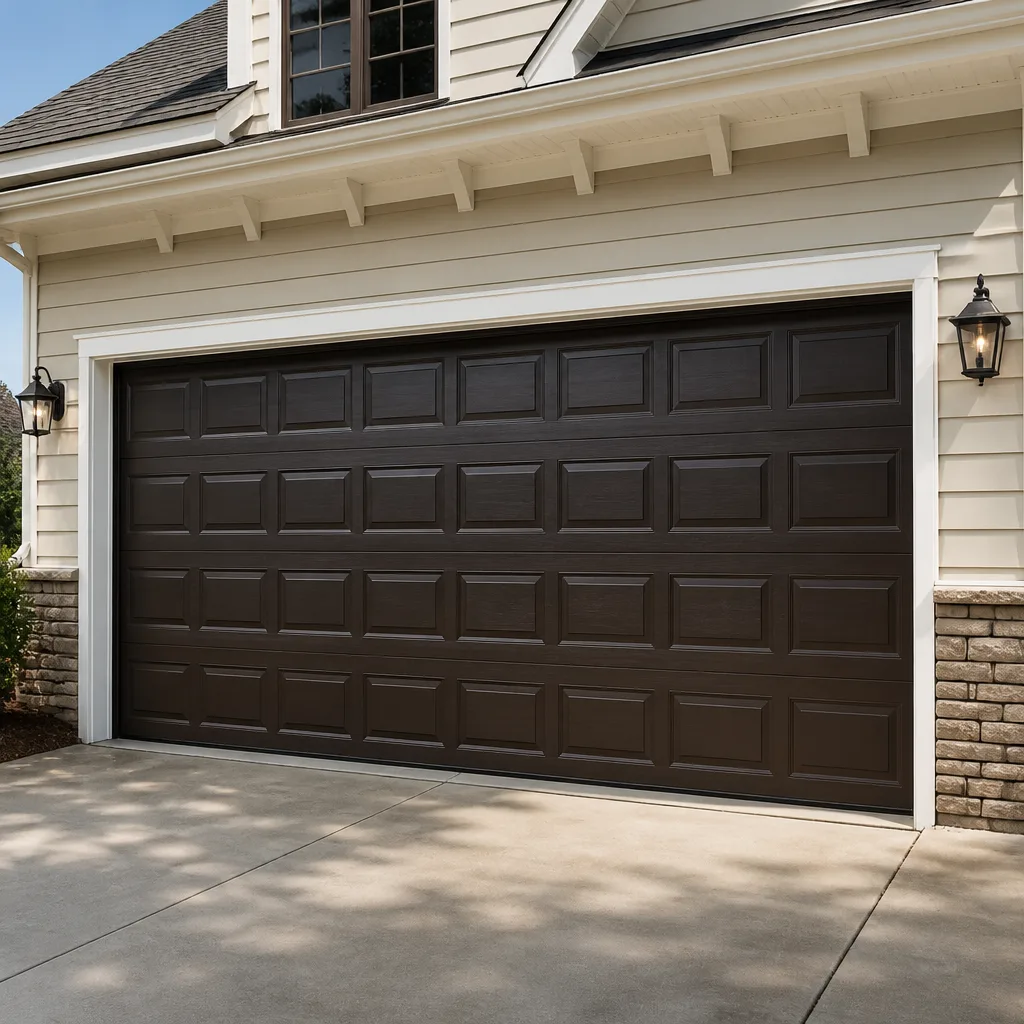 Raised-panel steel
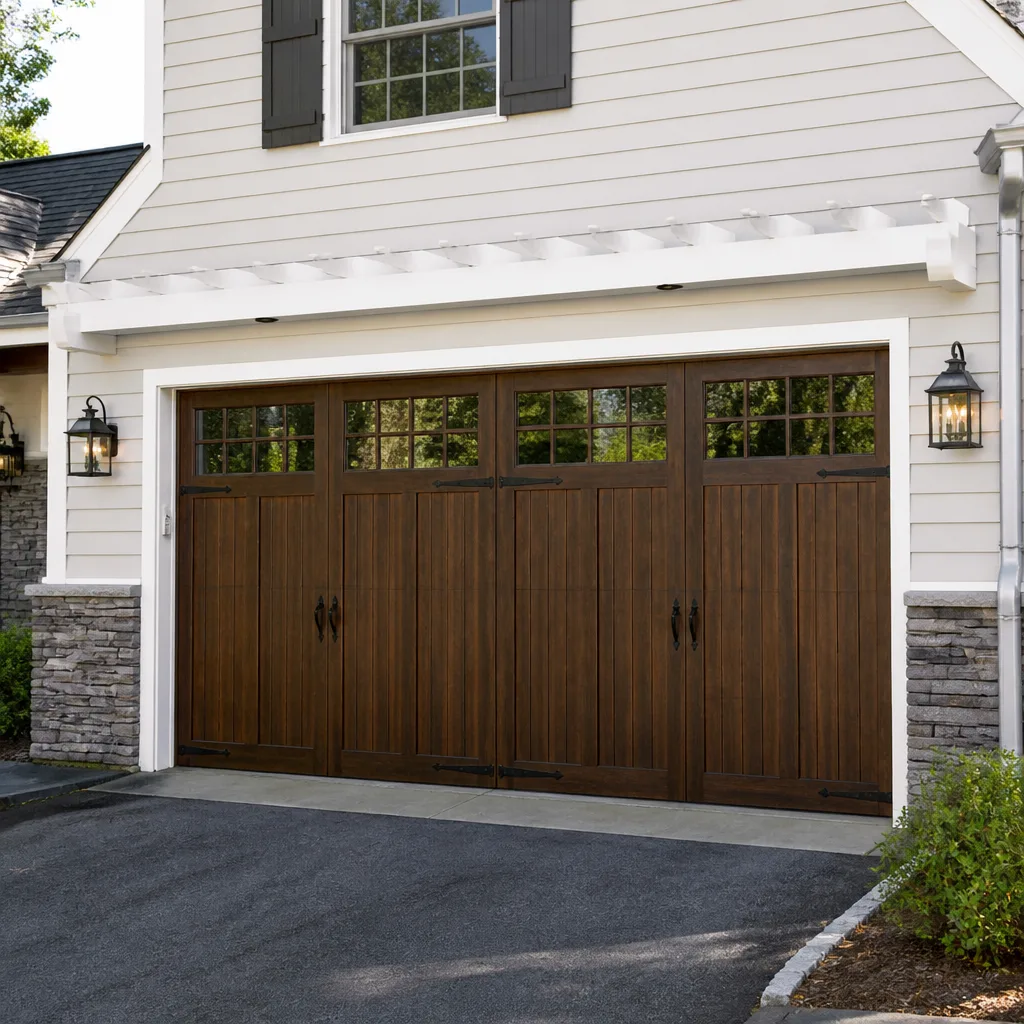 Carriage house
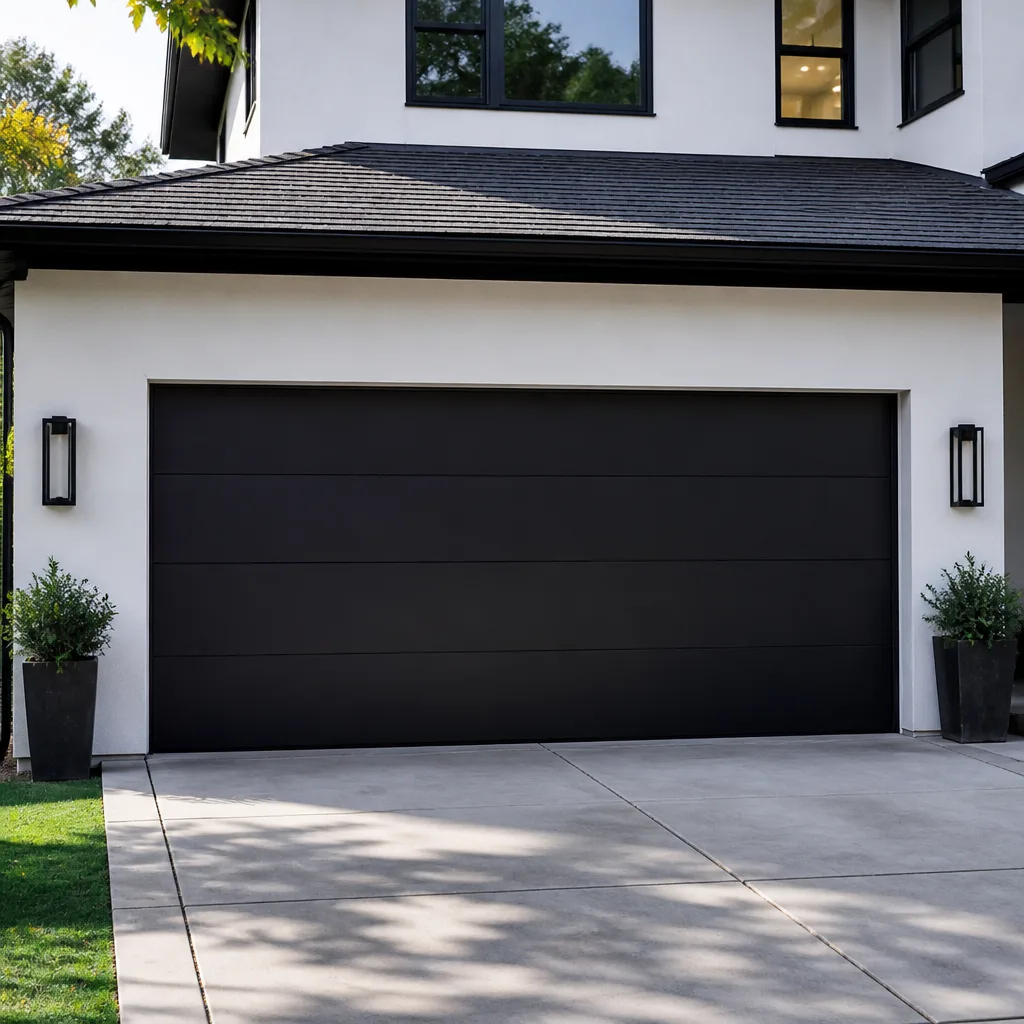 Modern flush
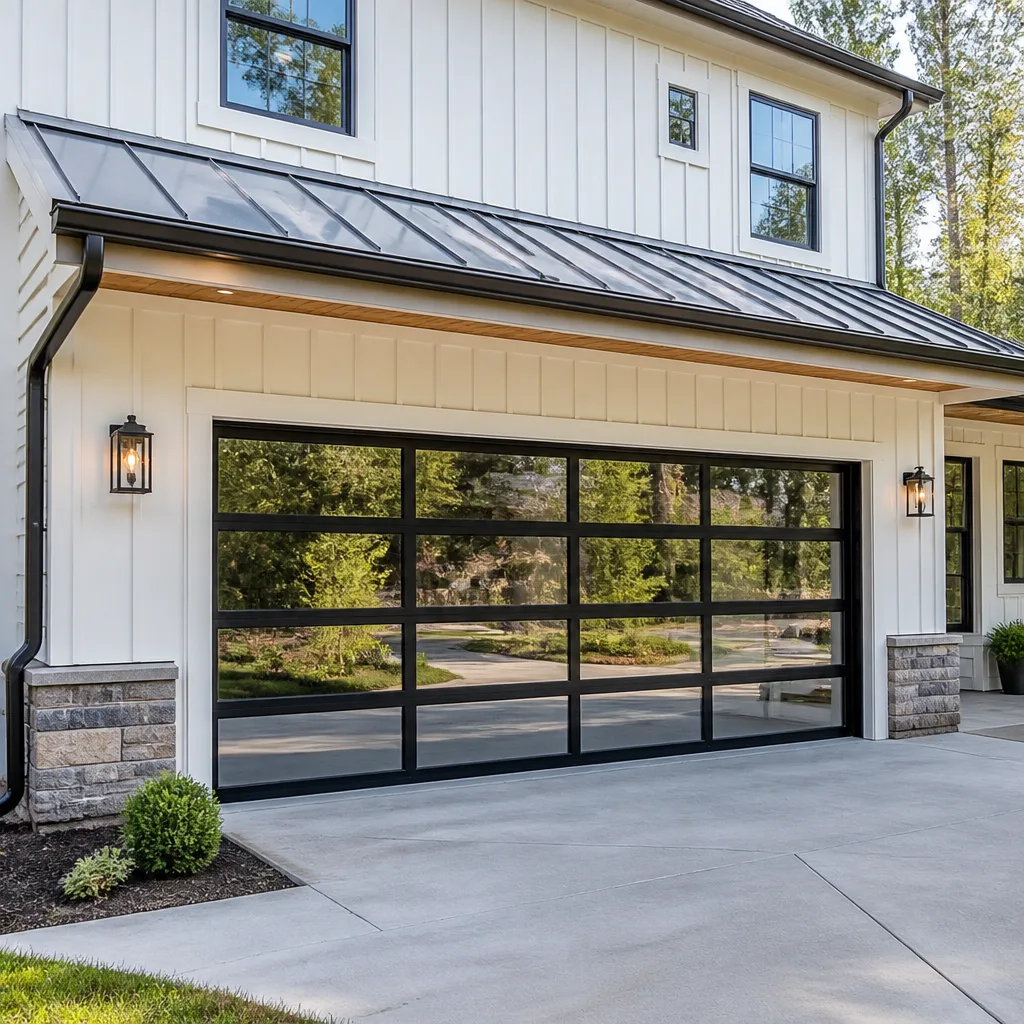 Full-view glass
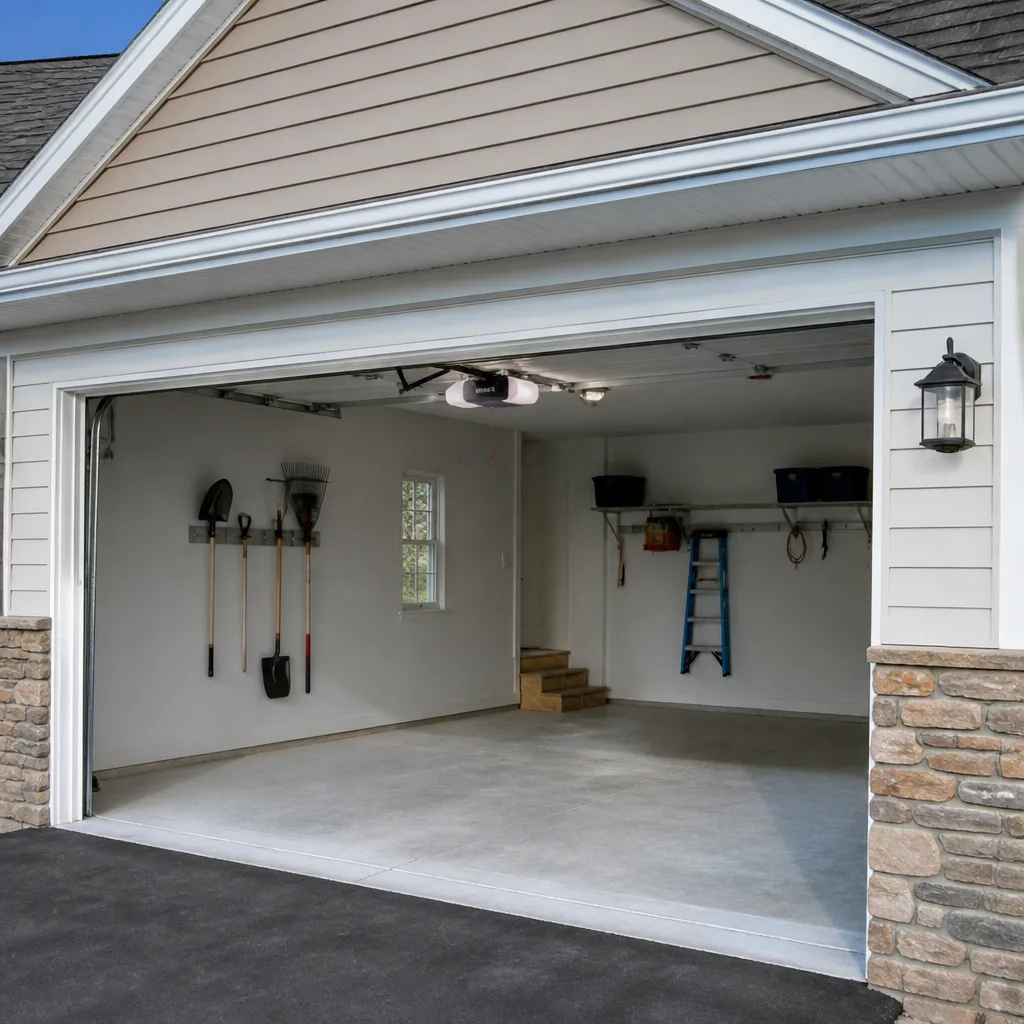 LiftMaster openers
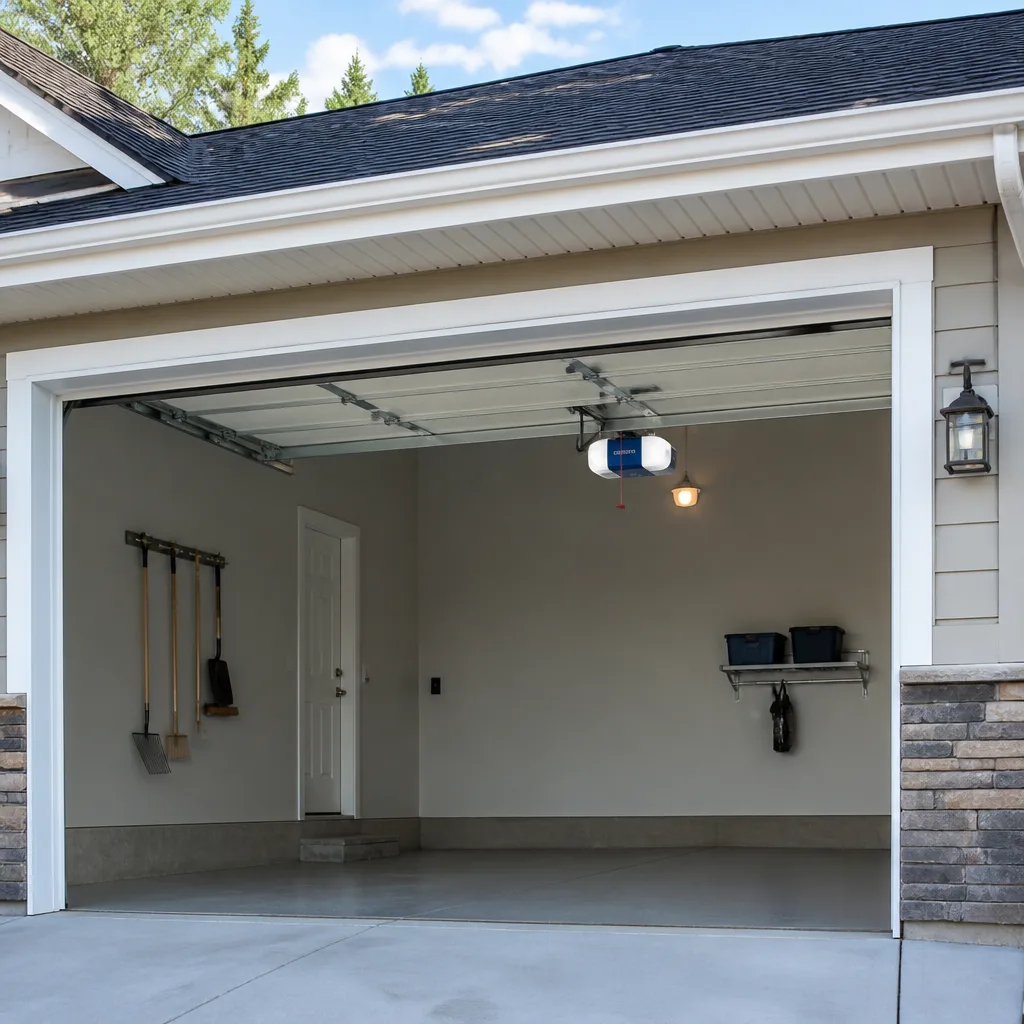 Chamberlain openers
Full 25-point door and opener safety check with every visit - springs, cables, rollers, tracks, and your LiftMaster or Chamberlain opener included
You get a price before we start. It does not change when the pro arrives.
Get your free estimateSeasonal Garage Door Care for Jupiter: Year-Round Homeowner’s Guide
Telling a Jupiter homeowner to winterize their garage door in October misses the point entirely. October is when you’re checking whether hurricane season held up, not worrying about frost. Jupiter doesn’t run on four seasons the way national maintenance guides assume. It runs on two: a storm window from June through November and a dry stretch from November through April, with a short, humid in-between where the real wear quietly happens. The care calendar that keeps a door working here looks nothing like the one printed on the back of a box from a big-box store. What follows is the version built for this climate, this housing stock, and the realities of a home that has to seal tight before a named storm and still open smoothly six months later. We’ll walk month by month, then through the failures we see most and how to catch them early.
Quick Answer
Seasonal garage door care in Jupiter follows a storm-readiness cycle, not a temperature cycle. The core routine is: a full inspection and manual-release test each May before hurricane season, a humidity and hardware check in mid-summer, a post-storm assessment after any named system passes, and spring and opener work scheduled during the dry season from November through April when lead times are shortest. Treat those four checkpoints as the spine of the year and the door stays reliable.
Styles & brands we work with
- Raised-panel steel
- Carriage house
- Modern flush
- Full-view glass
- LiftMaster openers
- Chamberlain openers
Table of Contents
- Why Jupiter Garage Door Care Doesn’t Follow the National Calendar
- Pre-Hurricane Season Checklist: What to Do in May
- Mid-Summer Humidity: The Slow Damage Nobody Sees
- Post-Storm Damage Assessment After a Named System
- Dry Season (November – April): The Right Window for Springs and Openers
- Year-Round Salt-Air Mitigation for Coastal-Adjacent Homes
- A Simple Monthly Walk-Around
- Brand-Specific Notes: LiftMaster, Chamberlain, Genie, Clopay
Why Jupiter Garage Door Care Doesn’t Follow the National Calendar
Most garage door maintenance advice online is written for a place with a hard freeze and a dry summer. Neither applies here. Jupiter’s problem isn’t cold. It’s sustained heat, sustained humidity, and a hurricane season that puts real wind pressure on every door in the neighborhood, whether or not the storm makes landfall close by. A national guide tells you to lubricate in fall and check for ice dams. A Jupiter guide tells you to test your manual release in May and watch your cables in August.
The practical result is that the failure modes we diagnose in Jupiter are different from what a Midwest homeowner would face. Around here, the priority list runs like this:
- Wind cycling damage during storm season, which flexes panels and stresses hinges even when nothing visibly breaks.
- Humidity-driven corrosion on cables, hinges, and opener circuit boards, which shortens the life of hardware that would last longer in a drier climate.
- Torsion spring fatigue from the sheer number of open-and-close cycles on a door that gets used year-round, plus the heat load inside an unventilated garage.
- Opener electronics degrading faster when a garage interior holds moisture for weeks at a time.
None of these show up in a standard “check your door twice a year” guide. They show up on a calendar that matches the actual weather cycle here. If you want the repair-side detail behind any of these, our garage door repair page covers the diagnostics. This guide is about the preventative rhythm that keeps you off that page in the first place.
Pre-Hurricane Season Checklist: What to Do in May
May is the most important month on the Jupiter garage door calendar. Before the first named storm can form, every door on the property should be tested for the way it will actually behave under load. This isn’t a lube-and-go inspection. It’s a functional test of the components that matter when wind is on the other side of the door.
Work through these steps in order:
- Test the manual release. Pull the red release cord (or handle) with the door fully closed and the opener disengaged. The door should lift smoothly by hand and lower without binding. If it won’t disengage, or the door drops or sticks, the door cannot be opened by hand in a power outage. That’s a problem you want to find in May, not during a storm.
- Check the balance. With the door released, lift it halfway and let go. A properly balanced door stays put. One that sinks or rises on its own means the springs are out of adjustment or failing, and that’s spring work for a trained technician, not a homeowner project.
- Inspect cables for fraying. Look along the length of each cable for stray strands, kinks, or rust. Cables under load are dangerous and should never be handled by an untrained person. If you see damage, stop and call us.
- Look at hinges and rollers. Any hinge with a cracked leaf, or roller that wobbles in its track, should be flagged for replacement.
- Check the weather seal along the bottom. A torn or hardened bottom seal lets wind-driven rain in and can flap loose in high wind. It’s a cheap part and worth replacing before June.
- Verify the opener’s safety reverse. Place a piece of wood flat on the floor in the door’s path and close the door. It should reverse on contact. Test the photo-eye sensors by passing an object through the beam while the door is closing.
- Confirm your emergency contact is current. If your opener has battery backup (many LiftMaster and Chamberlain models do), test it by cutting power at the breaker for a few seconds and confirming the door still operates.
If any of those steps turn up a problem, this is the window to fix it. Spring and opener replacements scheduled in May can be measured and ordered before storm season tightens lead times, unlike an emergency in September. Spring work in particular is where garage door spring repair belongs on your calendar, and it’s the one part of this list you should never handle yourself; torsion springs store enough energy to cause serious injury and need the right tools and technique.
Mid-Summer Humidity: The Slow Damage Nobody Sees
From June through September, a garage in Jupiter can hold moisture for weeks. An attached garage that shares a wall with the house, sits on a concrete slab, and gets no airflow becomes a humid box. That’s the environment where the smaller, cheaper components fail first, and where a homeowner who only looks at the door from the driveway misses almost everything.
Here’s what high humidity actually does to a garage door system:
- Cable corrosion. Steel cables don’t rust through overnight, but continual moisture accelerates surface corrosion. Corroded cable strands are weaker and more prone to fraying under load.
- Hinge and fastener rust. Standard zinc-plated hinges pit and seize in this climate. That adds friction to the door’s travel and forces the opener to work harder.
- Opener circuit board corrosion. The logic board inside an opener is a piece of electronics sitting in a humid box. Solder joints and connectors corrode, and the opener starts behaving erratically: random reversals, failure to respond to the remote, or a door that stops partway.
- Wood and composite degradation. Older wood doors absorb moisture at the joints and around hardware, which leads to swelling, sticking, and eventual rot at the bottom rail.
- Lubricant breakdown. The light oil a lot of guides recommend thins out and migrates in the heat, leaving tracks and rollers running dry.
Your mid-summer response should be simple. Use a lubricant made for garage door hardware (a lithium- or silicone-based product, not WD-40, which is a solvent and will strip the grease you need). Wipe down hinges and rollers. Check the opener housing for any sign of moisture, and if the opener is misbehaving in a way that doesn’t match a mechanical problem, suspect the electronics. Opener work in a humid climate is genuinely its own specialty, which is why garage door opener repair is a separate service for us rather than something folded into general repair.
Post-Storm Damage Assessment After a Named System
A door can weather a storm and still be damaged. Wind pressure cycling, the repeated flexing as gusts push and release the door, stresses the components that hold everything together. Homeowners often assume that because the door still opens and closes, nothing happened. That’s not how it works. The failures show up weeks later, usually as a hinge that’s pulled loose, a bent track, or a panel that no longer seats against the frame.
After any named system passes, do this assessment:
- Look at the door from the side. Stand at the edge and sight along the panels. A panel that’s out of alignment or bowed will be obvious from that angle and invisible from the front.
- Check the tracks. Look for tracks that are out of plumb or bent, even slightly. Bent tracks pull doors out of alignment and will eventually derail the rollers.
- Check the top and side seals. Wind can force seals loose even if the door itself took no impact. A loose seal means the next storm gets inside.
- Look at every hinge point. Hinges attached to wood or older composite panels can pull loose under wind cycling without the panel showing obvious damage.
- Test the opener. Run it through a full open-and-close cycle and watch for hesitation, uneven speed, or a door that reverses for no clear reason.
- Check the springs. A door that suddenly feels heavy to lift, or that opens only partway before the opener strains, may have a spring that took stress during the storm.
- Look for water intrusion. Puddles inside the garage after a storm are a sign that seals or the bottom threshold need attention.
If anything on that list is off, stop using the door until it’s looked at. A door that’s out of alignment under wind stress is a door that’s more likely to fail completely. If a door fails outside dispatch hours, call us and we’ll book you for the next opening, Sunday through Friday, 7am to 7pm. Our phone line answers 24/7.
Dry Season (November – April): The Right Window for Springs and Openers
The dry season, roughly November through April, is when you want to schedule the work that takes planning. This isn’t about the weather being nicer to work in. It’s about lead times. During and immediately after storm season, demand on garage door technicians spikes, part availability tightens, and a spring or opener replacement that you could have scheduled in February can end up waiting. Jupiter’s dry season is the low-demand window, and that’s when you want to take advantage of it.
Two categories of work belong in this window:
- Spring replacement. Torsion springs have a finite cycle life. If your springs are past their expected life (or you don’t know how old they are), the dry season is the time to have them measured and replaced on a planned schedule rather than in an emergency.
- Opener upgrades or replacement. If your opener is aging, misbehaving, or you want smart-home compatibility, the dry season gives you time to compare models (LiftMaster, Chamberlain, and Genie all make strong options for the residential market) and schedule installation without pressure.
Dry season is also the best time for a full replacement door if you’re planning one. A replacement is measured and ordered, not rushed. You get a written price, choose the brand and style (Clopay and Amarr both have solid residential lines), and schedule installation on a timeline that isn’t driven by a storm on the horizon. Free estimates make that first step straightforward.
Year-Round Salt-Air Mitigation for Coastal-Adjacent Homes
Homes closer to the water here see hardware corrode faster than homes further inland, and it’s worth planning for that year-round rather than reacting to it. The difference isn’t dramatic day to day. Over a year or two, salt exposure adds up on every unpainted steel surface on the door and opener assembly.
Practical mitigation steps for Jupiter homes:
- Upgrade hardware to stainless or hot-dipped galvanized. Standard zinc-plated hinges and fasteners are the first to go. Stainless or hot-dipped galvanized parts cost more up front and last considerably longer.
- Add a barrier coating to exposed steel. Painted door panels and coated hardware resist salt better than bare steel. Touch up any chips promptly.
- Inspect more often than an inland homeowner. A home within a mile or two of the water should get a visual inspection of hinges, rollers, and cables every quarter. Inland homes can stretch that to twice a year.
- Rinse the door and tracks. A brief freshwater rinse of the door exterior and tracks after a storm or a windy stretch washes salt deposits off before they set up.
- Keep the opener housing clean. Corrosion around the opener isn’t just a cosmetic issue; it’s a hint that the electronics inside are being exposed to the same conditions.
None of this is exotic. It’s the same principle as caring for a car near the water: keep clean what you can, upgrade what you can’t, and inspect more often than the national guide tells you to.
A Simple Monthly Walk-Around
Between the big seasonal checkpoints, a monthly walk-around keeps small problems from quietly becoming expensive ones. It takes ten minutes and doesn’t require any tools:
- Listen. Open and close the door, and listen for grinding, squealing, or a door that sounds like it’s straining. New noises are the earliest indicator of a problem.
- Watch the balance. Does the door open smoothly and evenly, or hesitate at any point in its travel?
- Look at the rollers. Wobbly rollers, or ones that have worn flat spots, are a simple swap before they damage the track.
- Check the safety reverse. Put a small board in the door’s path and close it. It should reverse on contact.
- Test the remote. If it takes multiple presses to open the door, the battery or the receiver is likely the culprit.
- Look for rust or corrosion. Any new orange or brown on hinges or cables deserves a closer look.
- Note anything that feels off. A short written log of the door’s behavior month to month is surprisingly useful when you call a technician.
If any of those steps show a problem near the top of the list, don’t put it off. Our full service lineup under Jupiter Garage Door Repair Pros is built around the idea that a small issue caught early stays small. We answer 24/7, with fast dispatch from 7am to 7pm, Sunday through Friday.
Brand-Specific Notes: LiftMaster, Chamberlain, Genie, Clopay
Which brand you have affects what to watch for, but it shouldn’t change whether you can get service. We work on eight of the most widely installed brands in Jupiter homes, including LiftMaster, Chamberlain, Genie, Clopay, Amarr, Wayne Dalton, Craftsman, and Raynor. What follows are the notes that actually matter for the seasonal care cycle.
- LiftMaster openers (including the popular belt-drive and chain-drive residential models) often include battery backup, which is worth testing every May. Make sure the backup battery is fresh before storm season, because a power outage with a door stuck closed is the exact situation a manual release is supposed to solve.
- Chamberlain openers share much of the LiftMaster platform and the same advice applies. The remote receiver and Wi-Fi module are vulnerable to humidity-driven corrosion, so a misbehaving Chamberlain that “just stopped working” is often an electronics issue, not a mechanical one.
- Genie openers tend to have a different gear and limit-switch arrangement than the Chamberlain family. If your Genie has started slipping or failing to fully open, that’s a mechanical diagnosis rather than an electronics one, and it’s worth a same-day visit if the door is your main access point.
- Clopay doors are common on residential homes here. The panels themselves are durable, but the hinges and bottom seal are the parts that need attention, especially during the pre-season checklist. Hinge attachment points on a Clopay panel should be looked at every spring.
Whatever brand is on your home, the seasonal cycle is the same. The brand tells a technician what to check first, but the schedule is what keeps the door working through a Jupiter year.
Common Mistakes to Avoid
- Waiting until a storm is named to check the door. Two sentences. A pre-season check in May takes ten minutes and gives you a full month before the first system can form. Waiting until the forecast names a storm puts you in a queue with every other homeowner who did the same.
- Assuming the door is fine because it still opens. Two sentences. A door can pass the “it still works” test and still be damaged from wind cycling or spring fatigue. Post-storm inspection means looking at it, not just running it.
- Using WD-40 to lubricate the tracks. Two sentences. WD-40 is a solvent, not a lubricant, and it will strip what grease is there and leave the hardware running dry. Use a purpose-made garage door lubricant and apply it to hinges and rollers, not the tracks themselves.
- Lifting a door with a suspected broken spring. Two sentences. A door that suddenly feels extremely heavy likely has a failed spring, and lifting it by hand can cause the entire door to crash down. Stop using the door and call a specialist.
- Scheduling replacement work in the middle of storm season. Two sentences. Lead times on springs and openers tighten in summer and fall, which turns a planned replacement into a wait. The dry season, November through April, is when replacement work should go on the calendar.
- Ignoring small noise changes. Two sentences. A grinding roller or squeaking hinge is trivial to replace and hard on every other component if it isn’t. The monthly walk-around is where those get caught.
- Skipping the manual release test. Two sentences. If you can’t disengage the door from the opener, you can’t open it in a power outage, and that’s a problem during a storm. Test the release every May as part of the pre-season routine.
See the difference
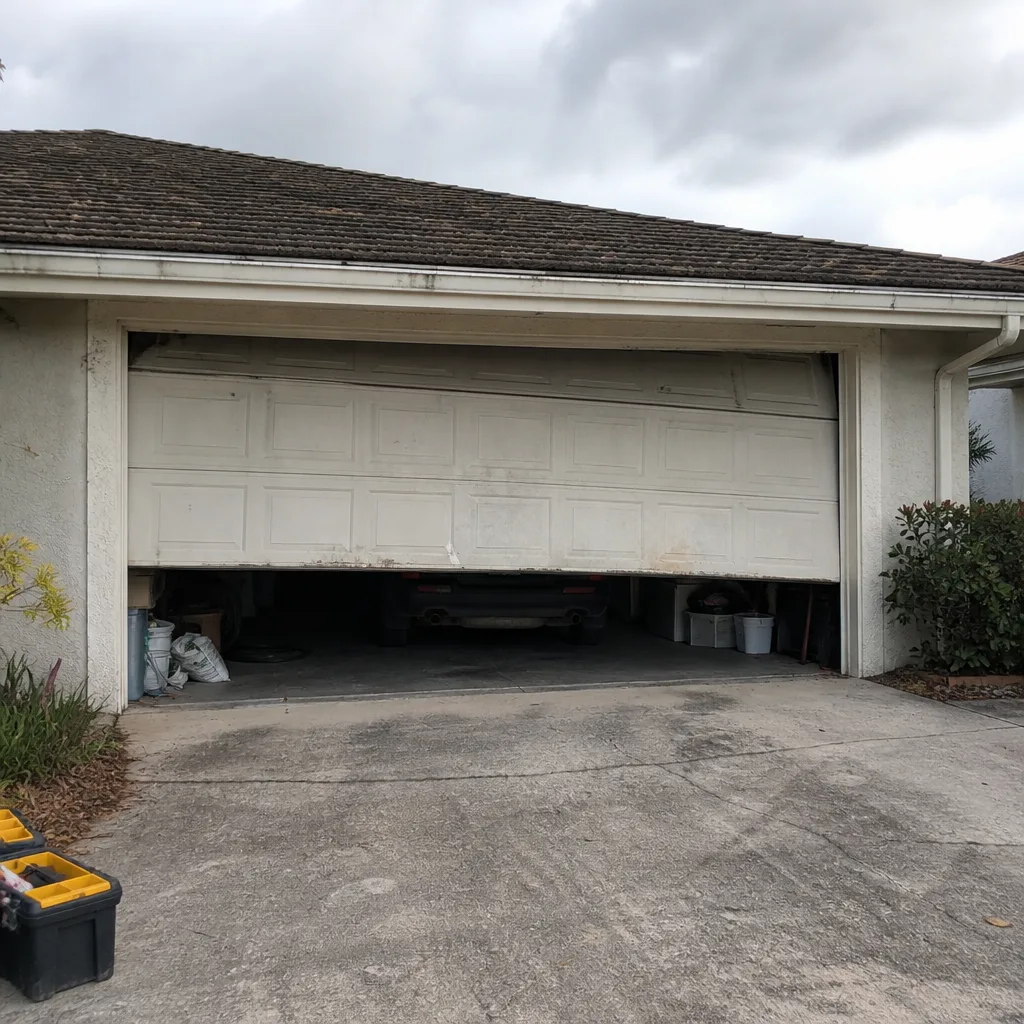 Before
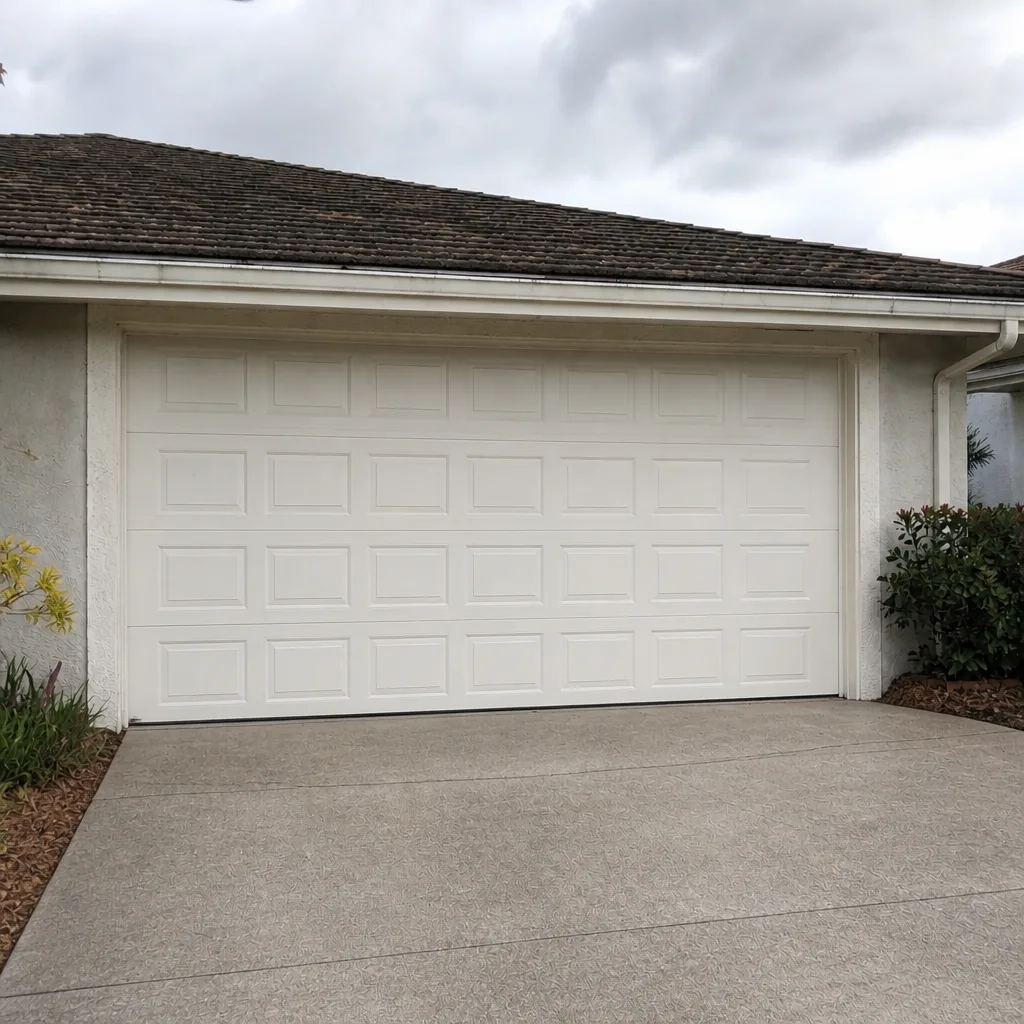 After
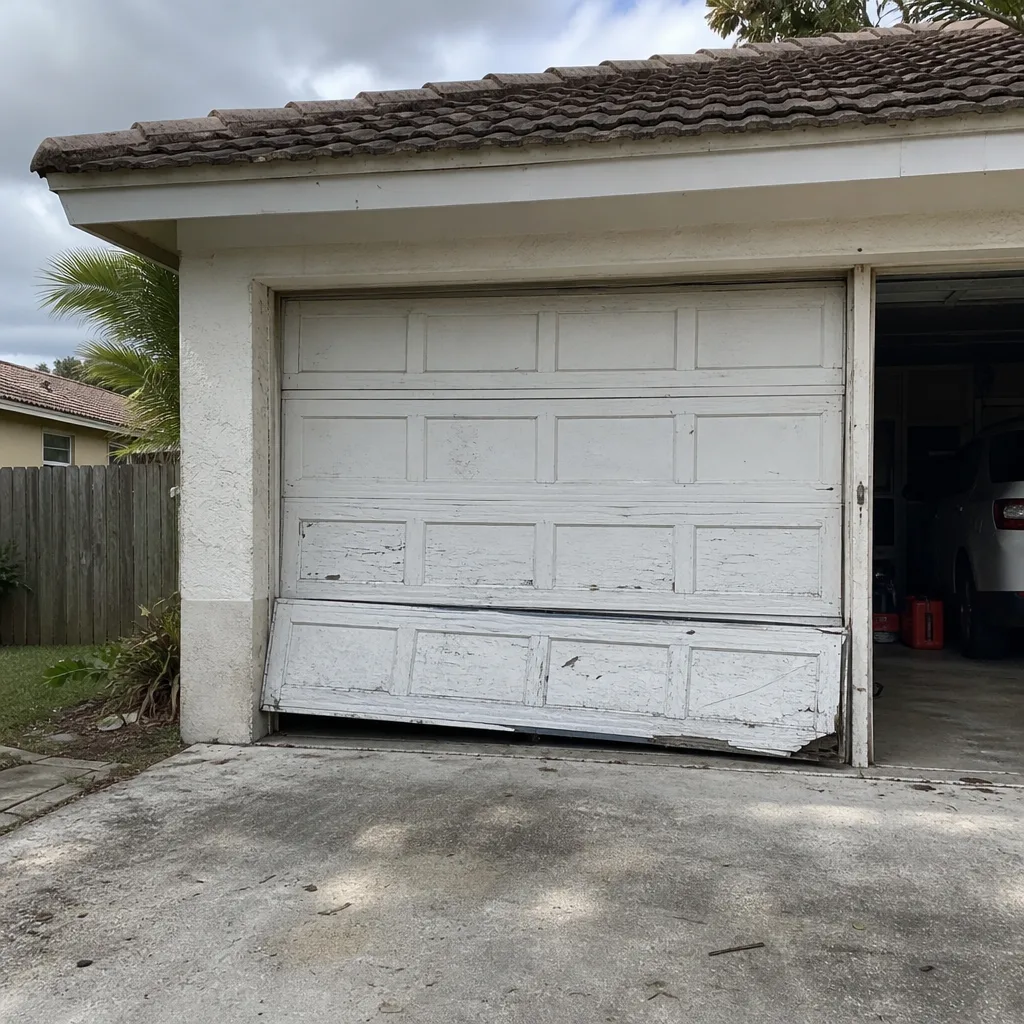 Before
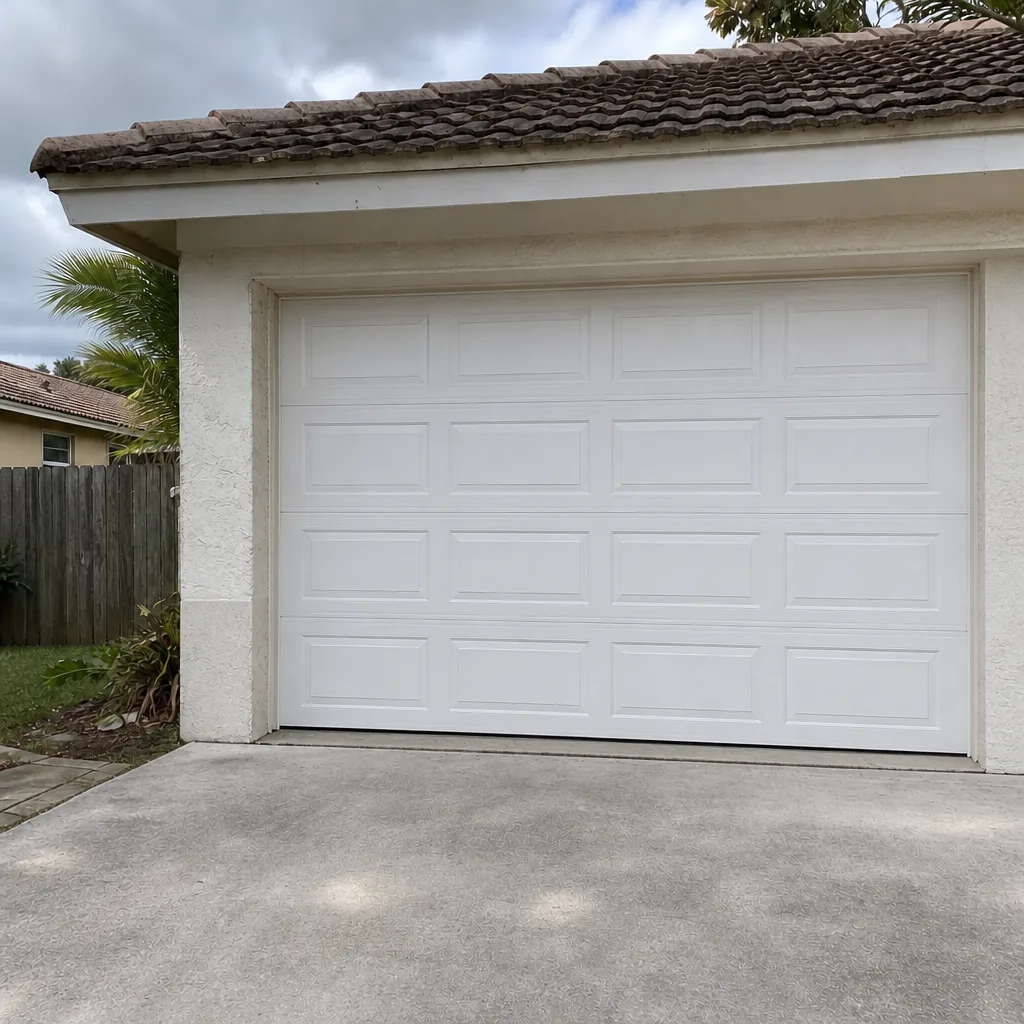 After
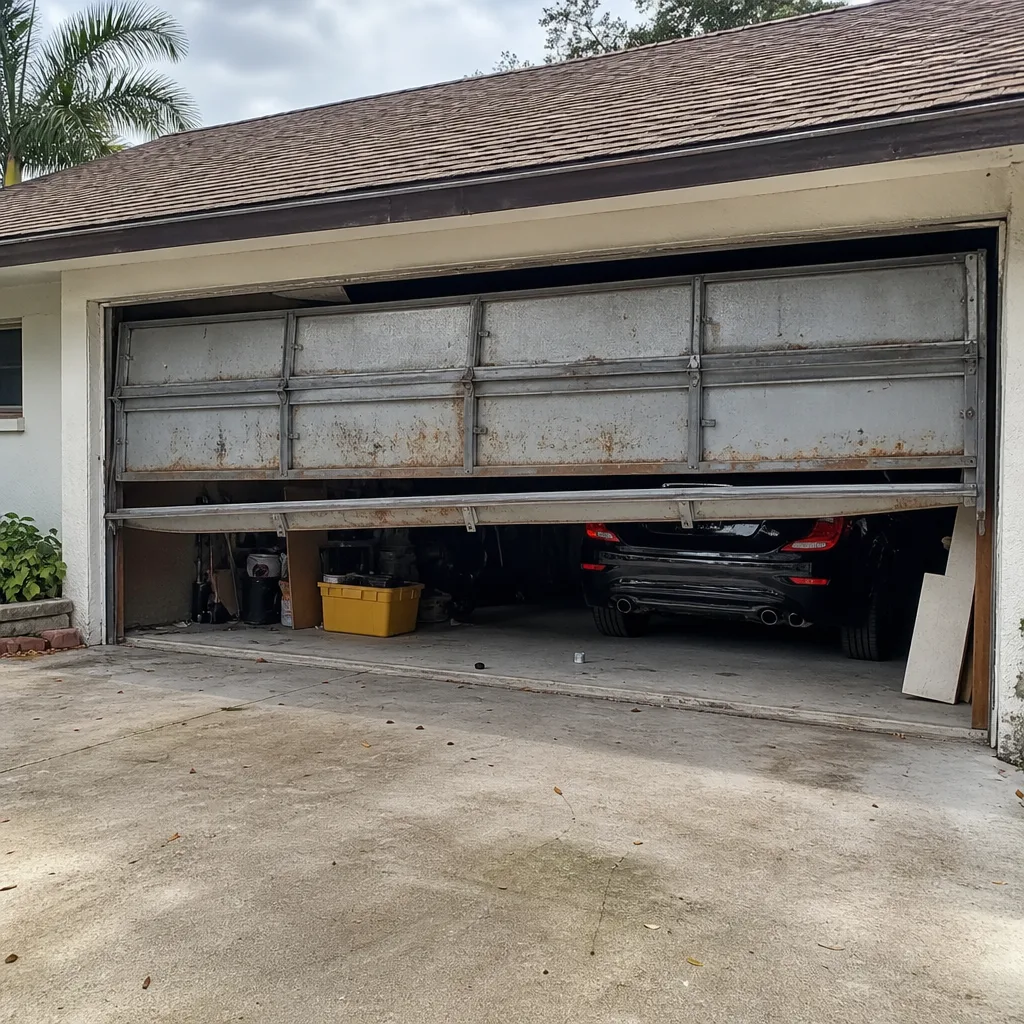 Before
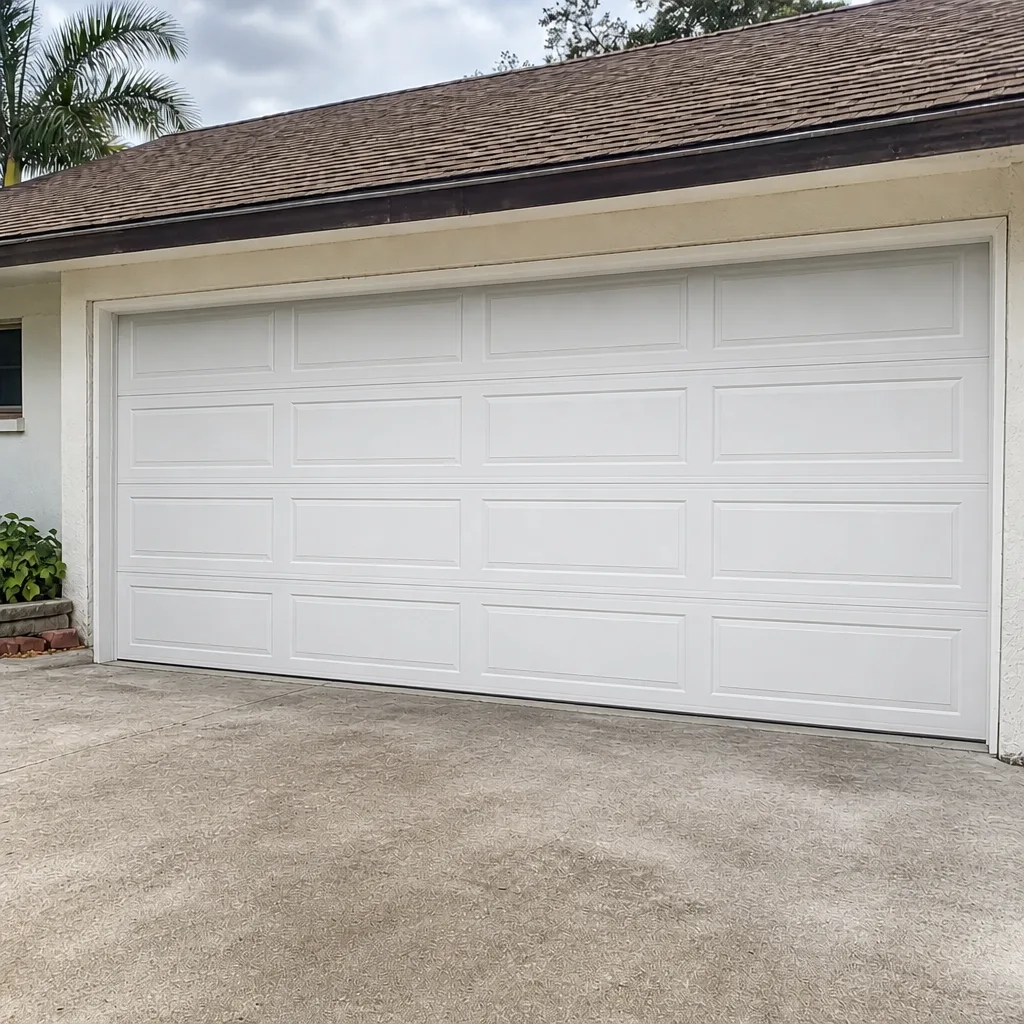 After
When to Call a Professional
Call a trained technician whenever the issue involves springs, cables, or the structural alignment of the door. Spring work is the most dangerous repair on the list; torsion springs store enough energy to cause serious injury and require tools and expertise that don’t belong in a homeowner’s toolkit. Cables under load are the same story. A door out of alignment after a storm, an opener that keeps failing safety reverse, or a manual release that won’t disengage should all get a trained set of eyes. Our technicians have up to 8 years of experience, and we work on the brand that’s already on your home rather than pushing a replacement. Jupiter Garage Door Repair Pros offers free estimates in Jupiter; call (877) 820-9302. We answer 24/7, with fast dispatch from 7am to 7pm, Sunday through Friday.
Frequently Asked Questions
May is the best month for a full pre-season inspection, because it gives you a full month before the first named storm can form. Spring and opener replacement work should be scheduled during the dry season, November through April, when demand is lower and lead times are shorter. A monthly walk-around the rest of the year fills the gap between those checkpoints. Call (877) 820-9302 for a free estimate specific to your door.
Yes, and every May before storm season. Pull the red release cord with the door closed to disengage the opener, then lift the door by hand to confirm it opens smoothly. Re-engage the opener afterward by cycling the door. If the release won’t disengage or the door drops or binds once released, stop and call us. Call (877) 820-9302, and we’ll book a visit.
Humidity and heat are usually the cause. Garage interiors in Jupiter hold moisture for weeks in summer, and that accelerates corrosion inside the opener’s logic board. Erratic behavior like random reversals, unresponsive remotes, or a door that stops partway is often an electronics issue rather than a mechanical one. We diagnose and repair openers as a specialty. Call (877) 820-9302 for a free estimate.
Look at it from the side. Standing at the edge of the door and sighting along the panels reveals bows and misalignments that are invisible from the front. Check the tracks for bends, inspect each hinge for looseness, and look at the bottom and side seals. If anything is off, stop using the door until it’s checked. Call (877) 820-9302 and we’ll take a look.
No. Torsion and extension springs store enormous energy, and a spring failure during replacement can cause serious injury. This is the highest-risk repair on the door, and it’s one we handle with trained technicians and the right tools. If a spring is broken or a door feels heavy to lift, stop using the door and call a professional. Call (877) 820-9302 for a free estimate.
Yes. Homes closer to the water see hardware corrode faster, so the practical rule is to inspect hinges, rollers, and cables every quarter rather than twice a year, and upgrade to stainless or hot-dipped galvanized hardware where possible. A brief freshwater rinse of the door and tracks after a windy stretch also helps. Call (877) 820-9302 for a free estimate and we’ll tell you what your specific hardware needs.
The Bottom Line
A Jupiter garage door needs a two-season care cycle, not a four-season one. Test the manual release, springs, cables, and seals every May before storm season. Watch for humidity damage and opener electronics through the summer. Assess the door from the side after every named storm. Schedule spring and opener work during the dry season from November through April, when lead times are shortest. Add a ten-minute monthly walk-around and hardware inspection frequency that matches your proximity to the water, and you’ll catch almost every failure while it’s still early. The parts of this list that involve springs and cables belong with a specialist. Everything else belongs on your calendar.
We’re a garage door specialist, not a general handyman service, and every service call we take is on a door or an opener. If your seasonal care turns up something that needs a trained technician, call (877) 820-9302 for a free estimate. We answer 24/7, with fast dispatch from 7am to 7pm, Sunday through Friday. For the full range of what we do, from repair to full installation, the team is ready when you are.
Written by the team at Jupiter Garage Door Repair Pros.