
Last updated November 23, 2026
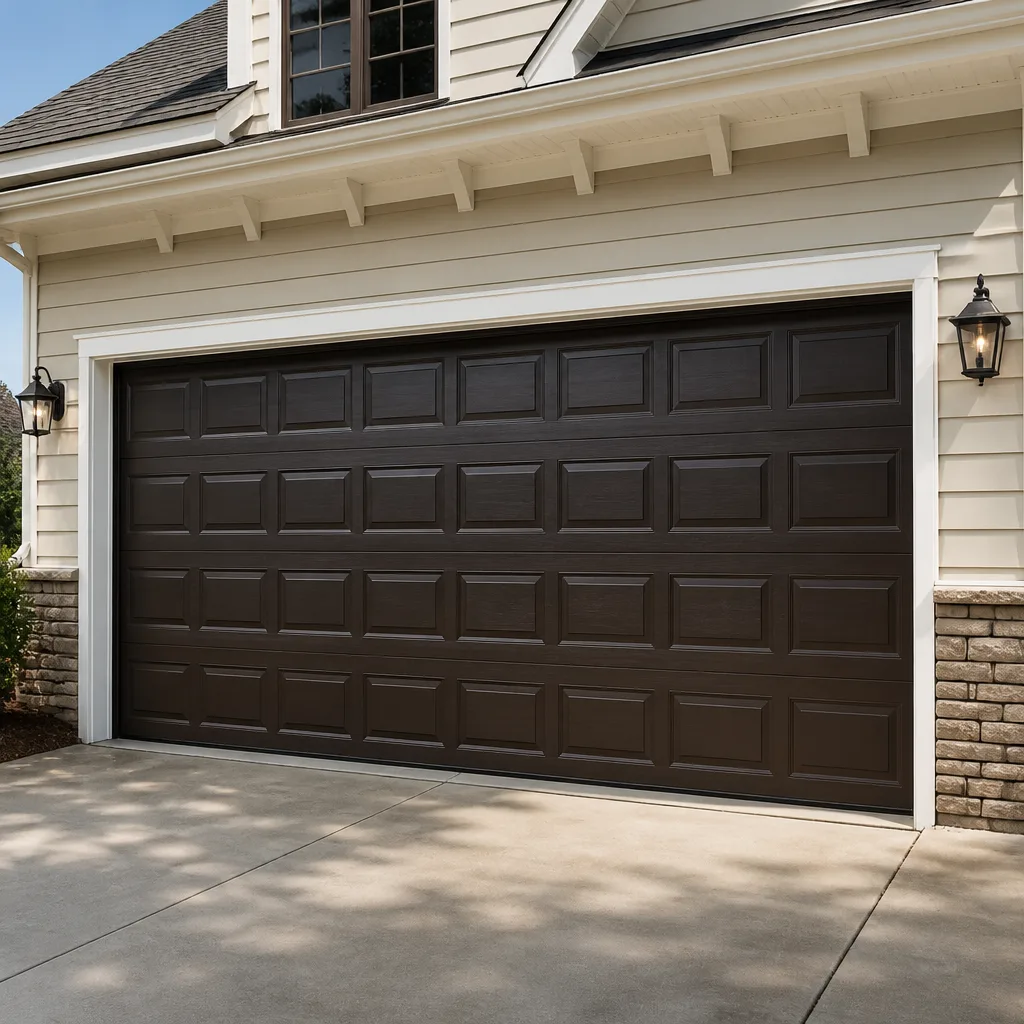 Raised-panel steel
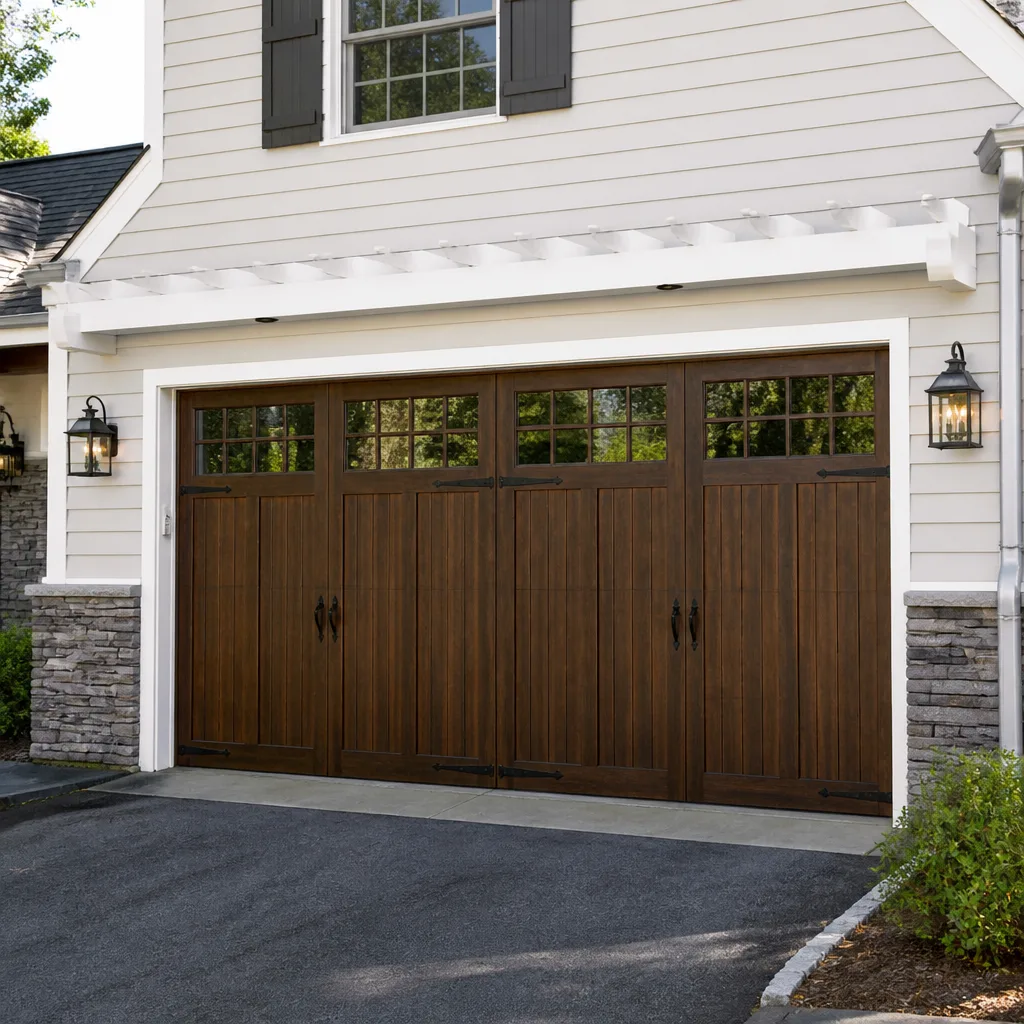 Carriage house
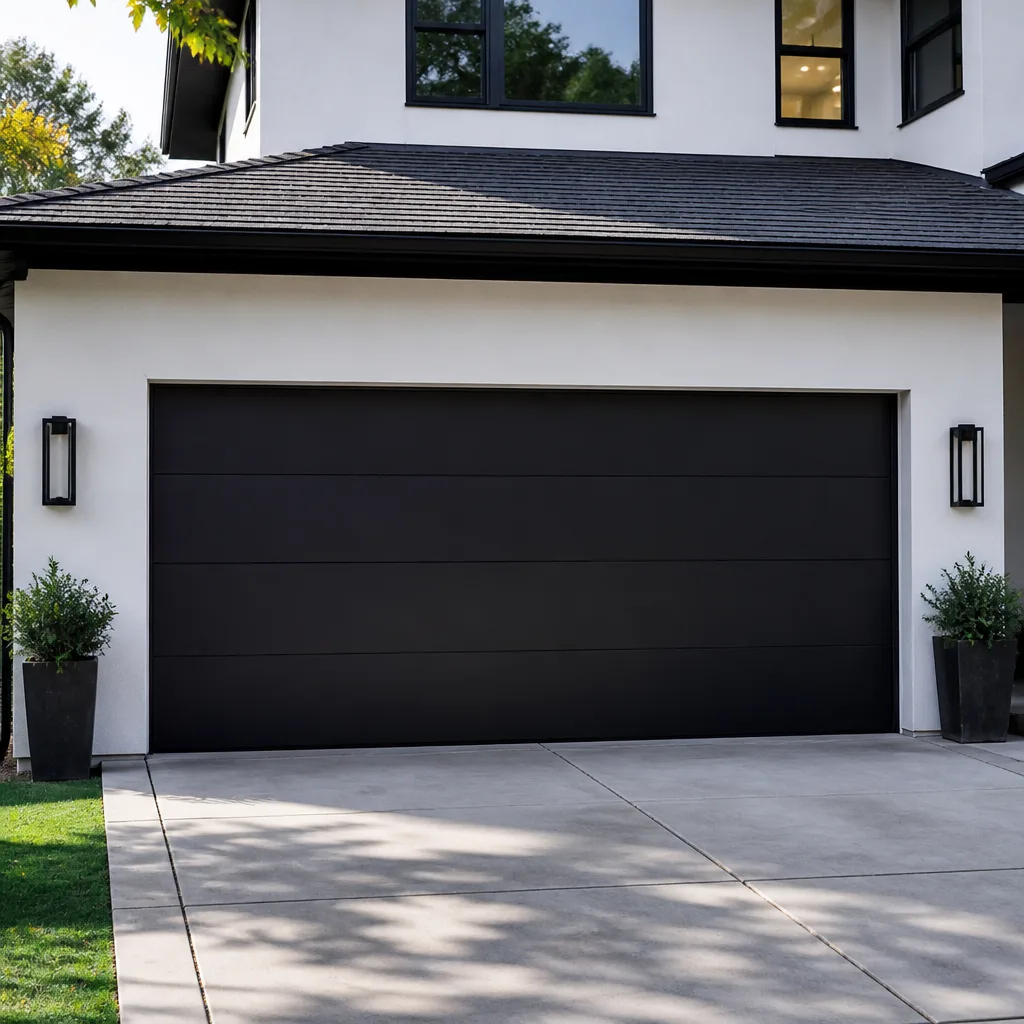 Modern flush
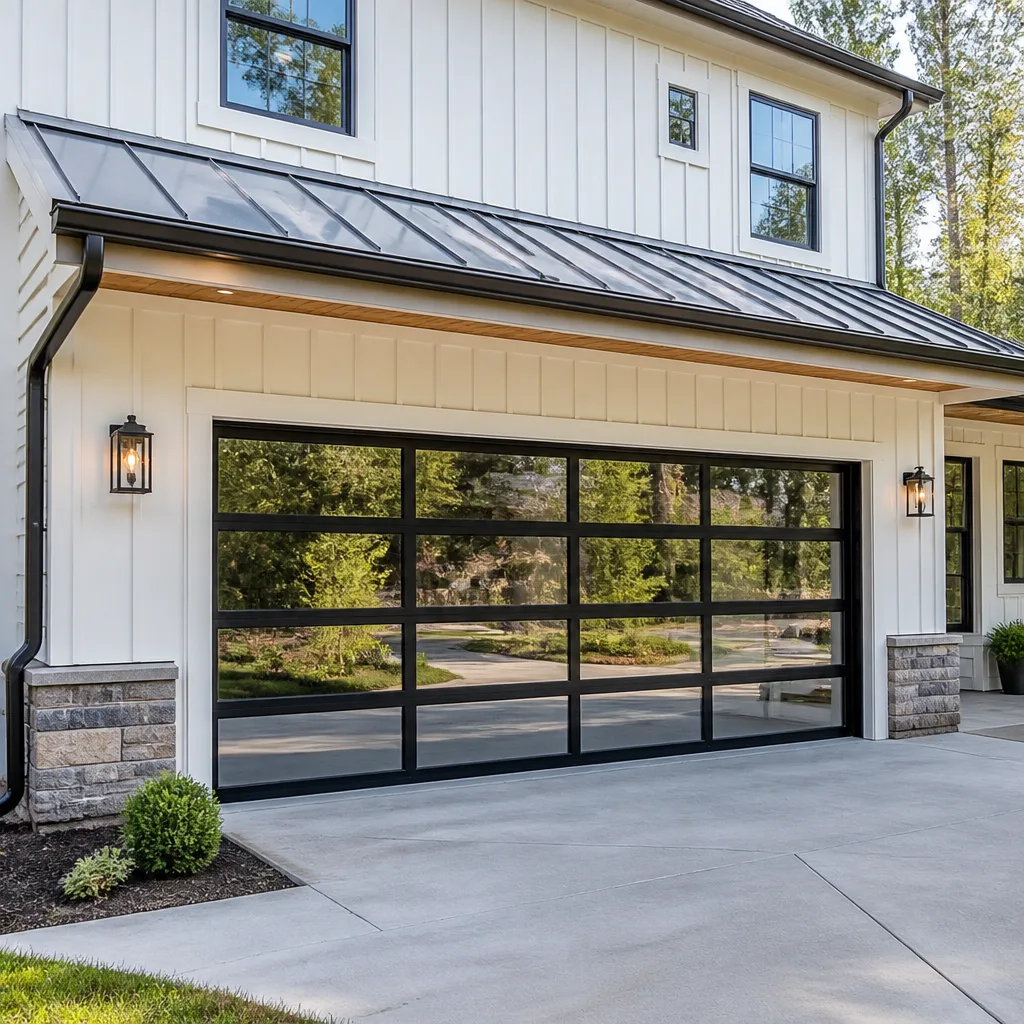 Full-view glass
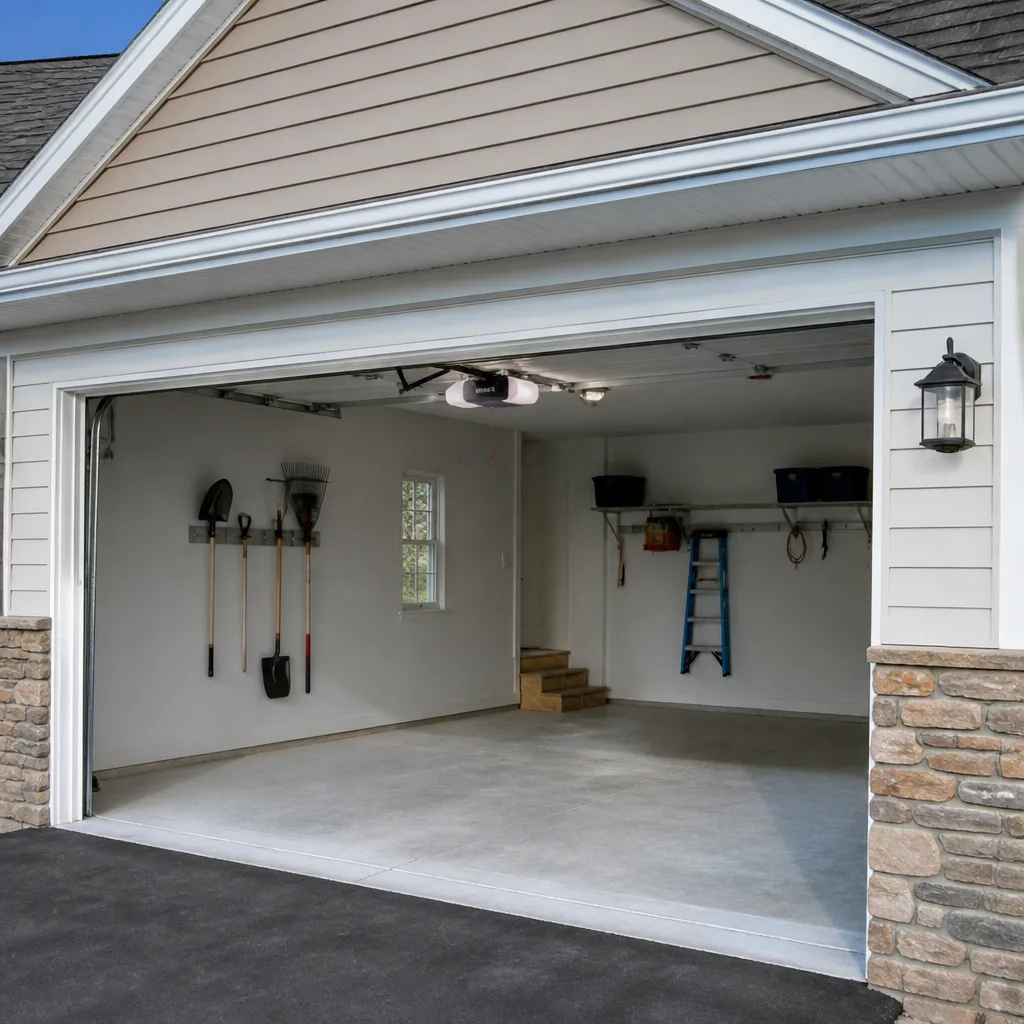 LiftMaster openers
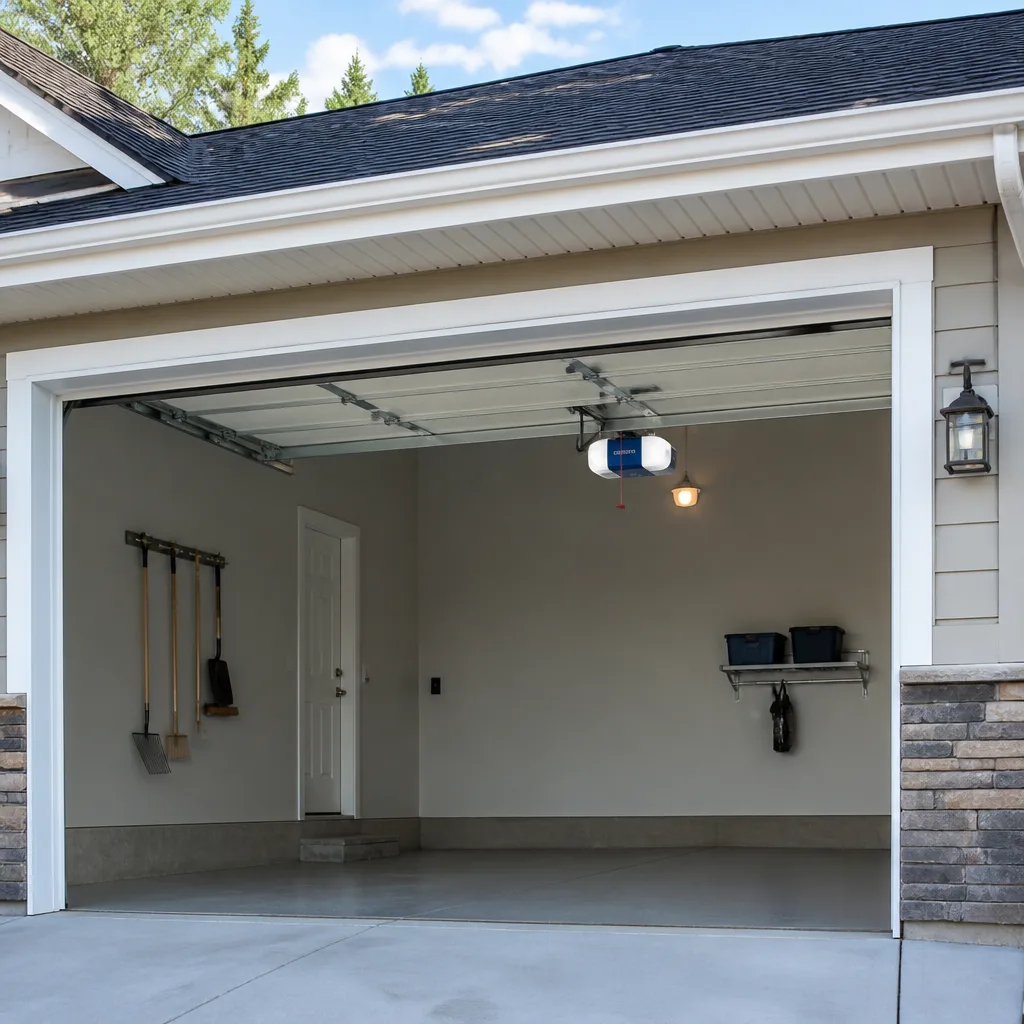 Chamberlain openers
Full 25-point door and opener safety check with every visit - springs, cables, rollers, tracks, and your LiftMaster or Chamberlain opener included
You get a price before we start. It does not change when the pro arrives.
Get your free estimateDIY vs Professional Garage Door: The Jupiter Homeowner’s Decision Guide
Replacing a bottom seal is a legitimate weekend project. Replacing a torsion spring is not, and the gap between those two tasks is where most homeowners get into trouble. The DIY-versus-professional question is usually framed as a test of skill, but that’s the wrong test. A mechanically confident Jupiter homeowner can safely handle a few garage door jobs and should never touch others, no matter how handy they are. What matters is which task you’re looking at, what tools it demands, and what the humidity in South Florida does to a small mistake. This guide draws that line task by task, so you know exactly what’s yours to fix and what belongs to a specialist.
Quick Answer
Safe DIY garage door work in Jupiter is limited to weatherstripping and bottom seals, photo-eye alignment, lubrication, and remote or keypad reprogramming. Spring work, cable replacement, track straightening under tension, and any opener electrical repair should go to a trained garage door specialist, because those tasks carry serious injury risk and often need dealer-only parts. Anything involving the springs or cables is not a homeowner repair under any circumstances.
Styles & brands we work with
- Raised-panel steel
- Carriage house
- Modern flush
- Full-view glass
- LiftMaster openers
- Chamberlain openers
Table of Contents
- How to Decide: The Three-Question Test
- What’s Genuinely Safe to Do Yourself in Jupiter
- What You Should Never DIY: Springs and Cables
- The Florida Code and Permit Angle
- Tool and Parts Sourcing in Jupiter
- Why DIY Mistakes Cost More in Jupiter’s Climate
- The Diagnostic Value of a Professional Look
- Openers: Where DIY Gets Murky
How to Decide: The Three-Question Test
Before you pick up a wrench, run the job through three questions. If any answer is no, stop and call a specialist. This is faster than researching the task and it keeps you out of the dangerous end of the trade.
- Does the task require the door to stay under spring tension while I work? If yes, it’s a professional job. Springs and cables hold enormous stored force, and releasing it wrong is how people get hurt.
- Can I get the exact part without a dealer account? Many opener logic boards, carriage assemblies, and brand-specific springs aren’t on a hardware store shelf. If the part is dealer-only, DIY stalls halfway through with the door stuck open.
- If I get this wrong, does it fail dangerous or fail safe? A crooked bottom seal fails safe: the door still closes. A misaligned track or a loose cable anchor fails dangerous, and that’s a line you don’t cross on your own.
Most Jupiter homeowners who call us after a DIY attempt got stuck on question two. The task looked simple, the video made it look simpler, and then the part didn’t exist locally. A quick call before you start saves the trip. Call (877) 820-9302 and we’ll tell you honestly whether the job is one you can handle.
What’s Genuinely Safe to Do Yourself in Jupiter
These tasks involve no stored spring tension and no line voltage, and a reasonably careful homeowner can do them with basic tools. They’re also the tasks worth doing regularly in Jupiter, where humidity and afternoon storms work on the door year-round.
- Replacing the bottom seal or weatherstripping. The rubber strip along the bottom of the door slides into a channel or fastens with screws. Measure the width, buy the matching profile, and slide the new one in. This is the single best DIY job on a garage door, and it keeps rain and pests out.
- Aligning the photo-eye sensors. If the door reverses for no reason, the two small sensors near the floor are usually out of line or have a spider web across the lens. Wipe them, check that their indicator lights are solid, and nudge them until they face each other squarely.
- Lubricating hinges, rollers, and the torsion bar bearings. A garage-door-rated lubricant on the moving metal parts quiets a squeaky door and slows wear. Don’t spray the tracks themselves with grease; that attracts grit and gums up the rollers.
- Reprogramming remotes and keypads. Every major opener brand – LiftMaster, Chamberlain, Genie, and the rest – has a learn button on the motor housing and a set procedure. It’s a button-press sequence, not a repair.
- Cleaning and visually inspecting. Look at the springs for gaps or a stretched gap in the coil, check the cables for fraying, and watch the door travel for wobble. You’re not fixing anything here, just catching problems early.
If you notice something on that inspection list that looks wrong, that’s the moment to bring in a specialist rather than wait. Our technicians have up to 8 years of experience and can tell you in a few minutes whether what you spotted is normal wear or the start of a failure.
What You Should Never DIY: Springs and Cables
Torsion and extension springs store enough energy to move a door that weighs well over a hundred pounds. When a spring lets go under load it does so violently, and the tools to handle it safely – winding bars, proper anchor points, a controlled release sequence – aren’t in a typical home toolbox. This is the clearest line in the entire guide: spring and cable work is not a homeowner repair.
The same goes for the cables that run from the bottom corners up to the drums. They’re under tension whenever the door is closed, and a cable that slips off a drum while you’re working near it can whip with real force. We treat both as a core specialty rather than an afterthought, which is why garage door spring repair is one of the services we handle most. Trained technicians with the right tools do this work safely and get it right the first time.
Here’s the practical test. If a repair requires you to relieve spring tension, wind or unwind a spring, or reattach a cable to a drum, stop. That’s the point where a specialist takes over. If you’re not sure whether your issue falls on that side of the line, describe it to us and we’ll tell you straight. Call (877) 820-9302.
The Florida Code and Permit Angle
This is where a lot of DIY advice online falls apart, because it’s written for climates and code environments that aren’t Florida’s. Garage door work touches building code in ways homeowners don’t always expect, and the rules can differ from one jurisdiction to the next.
Two categories matter most. First, any structural change – widening an opening, replacing the header, changing how the door anchors to the framing – is a permitted job that needs inspection. Second, replacing a complete door or opener assembly can trigger permit requirements depending on your local building department. The safe move is always the same: call your city’s building department and ask before you buy anything. They’ll tell you plainly whether your specific project needs a permit and an inspection.
Repairs that restore the door to how it was built usually fall outside permitting. Swapping a broken spring, replacing a roller, fixing a sensor – these are maintenance, not construction. The confusion comes when a homeowner decides to “upgrade” mid-repair, changing the door’s size or the opener’s wiring in a way that turns a maintenance job into a permitted alteration. That’s the trap.
There’s also an insurance consideration worth knowing. Some policies ask whether major garage door work was done by a licensed professional, and an unpermitted structural change can complicate a claim later. We’re not your insurer or your building department, so confirm the specifics with them. The point is that the question is worth asking before you start, not after.
Tool and Parts Sourcing in Jupiter
Here’s a reality that DIY videos gloss over: the parts you need often aren’t available locally, and that single fact derails more homeowner repairs than any lack of skill. Jupiter sits at the northern end of Palm Beach County, and the parts landscape reflects it. Big-box stores carry generic seals, rollers, and universal remotes. They don’t stock brand-specific springs, opener logic boards, or the carriage and rail components for a particular model.
Consider what happens when a Genie opener’s logic board fails. The store might have a universal replacement that doesn’t match your unit’s programming. The correct board is often dealer-only or special-order, which means your door sits open for days while you wait. The same is true for Clopay and Amarr door hardware, which is sized to the specific door and not interchangeable with a generic part. A specialist who works on your brand every week has access to the right component and knows exactly which one your model needs.
Tool access is the second half of the sourcing problem. Spring work needs winding bars and a proper anchor setup. Track alignment needs a level and the right fasteners to hold the adjustment. Cable replacement needs the correct drum and cable rated for your door’s weight. You can buy some of these, but you’d spend more on the tools than the repair costs, and you’d use them once.
When you’re weighing a repair, a free estimate tells you the real cost before you commit. Call (877) 820-9302 for an exact quote – estimates are free, and the price is quoted and agreed before any work starts.
Why DIY Mistakes Cost More in Jupiter’s Climate
South Florida’s humidity is tough on garage doors in ways that don’t show up in a drier climate. A small error that would be a minor annoyance somewhere else can turn into a bigger repair faster here, and that shifts the DIY calculus in a specific direction.
Take track alignment. A track nudged slightly out of square puts uneven pressure on the rollers, and the door starts to bind. In a dry climate you might get a season to notice and correct it. In Jupiter’s damp air, the metal components are exposed to moisture that works on fasteners and joints, and a binding door wears its rollers and hinges faster. A two-minute adjustment you skipped becomes a roller replacement and eventually a track replacement. The humidity doesn’t cause the misalignment, but it accelerates what the misalignment sets in motion.
Weatherstripping is the flip side. Because the climate is hard on seals, replacing a worn bottom seal is worth doing regularly, and it’s a job you can absolutely do yourself. The rubber hardens, cracks, and stops sealing, and that’s when rain and insects find their way in. Fresh seals are cheap and the swap is simple.
We’ve watched this pattern enough times to state it plainly: in Jupiter, small DIY errors have a shorter fuse than you’d expect. A repair done right the first time is cheaper here than a repair done twice.
The Diagnostic Value of a Professional Look
Sometimes the smartest move is to call a specialist even when you’re capable of doing the work. Not because you can’t turn a wrench, but because the real value is in the diagnosis that comes before any repair decision.
Consider a door that’s getting stiff or noisy. You could replace the rollers yourself and hope it helps. A trained technician will look at the whole system – spring tension, cable wear, hinge condition, roller alignment, and the opener’s force settings – and tell you which one is actually causing the symptom. Often the noisy door needs lubrication, not parts. Sometimes the stiff door is a spring that’s losing tension, and replacing rollers would have been wasted money. The diagnostic visit pays for itself because it keeps you from repairing things that aren’t broken. We do this as part of garage door repair every day, and the assessment is free with the estimate.
The other reason to call is that many problems are related. A door that reverses for no reason could be a sensor, a misadjusted limit switch, or a failing opener logic board. Guessing at it costs more than a diagnosis. Our technicians have up to 8 years of experience reading these symptoms and telling apart a cheap fix from a real problem.
Openers: Where DIY Gets Murky
Openers blur the DIY line more than any other part of the system, because some of the work is simple button-pressing and some of it is line voltage and circuit boards. The clearest dividing line is electricity: anything that involves opening the motor housing and touching the wiring is a job for a trained technician, full stop.
What’s safe to handle: reprogramming remotes and keypads, replacing a remote battery, adjusting the force and travel limits through the opener’s own settings, and re-pairing a smart-home hub after a Wi-Fi change. These are configurable settings, not repairs. On a LiftMaster or Chamberlain unit, for example, the learn button and the limit screws are meant for the homeowner to use.
What’s not safe: replacing a logic board, rewiring the safety sensors at the motor end, swapping a capacitor, or chasing a short in the wiring. These involve line voltage or components that fail dangerous if installed wrong. If the opener is grinding, humming without moving, or tripping a breaker, that’s a specialist’s call. It’s why we treat garage door opener repair as its own specialty and not a sideline. The electronic side of the trade needs a different set of skills than the mechanical side, and a general handyman often doesn’t have them.
One more reason to call: many opener problems are actually door problems. A door that’s out of balance makes the opener work harder and can trip its safety limits. Replacing the opener wouldn’t fix it. A technician checks the whole door and opener together before recommending anything, and the written estimate sets the price before work begins.
Common Mistakes to Avoid
- Trying to remove a broken spring without the right tools. This is the mistake that sends people to the emergency room every year. Springs store dangerous energy, and without winding bars and a safe sequence, leave it to a trained technician.
- Greasing the tracks. Grease on the tracks attracts grit and grime, and the rollers start to slip and skip. Lubricate the hinges and rollers, keep the tracks clean and dry, and leave it at that.
- Assuming a universal part will fit. Springs and opener components are sized to your specific door and model. A generic spring under a heavier door is a future failure. Match the part to the door, or let a specialist do it.
- Ignoring a visual warning because the door still works. A gap in a spring coil, a frayed cable, or a loose track can hold for months and then fail all at once. Inspect and act early.
- Adjusting the opener’s force settings to fix a stiff door. Turning up the force just makes the opener push harder through a problem that’s really a balance or spring issue. It masks the cause and wears the opener out.
- Doing a structural change without a permit. Widening the opening or changing the framing is a permitted job in Jupiter and needs inspection. Call your building department before you cut anything.
- Leaving the door open overnight after a failure. A door that won’t close leaves the home unsecured. Call us – we answer 24/7, and a call outside dispatch hours is booked into the next opening, Sunday through Friday, 7am to 7pm.
See the difference
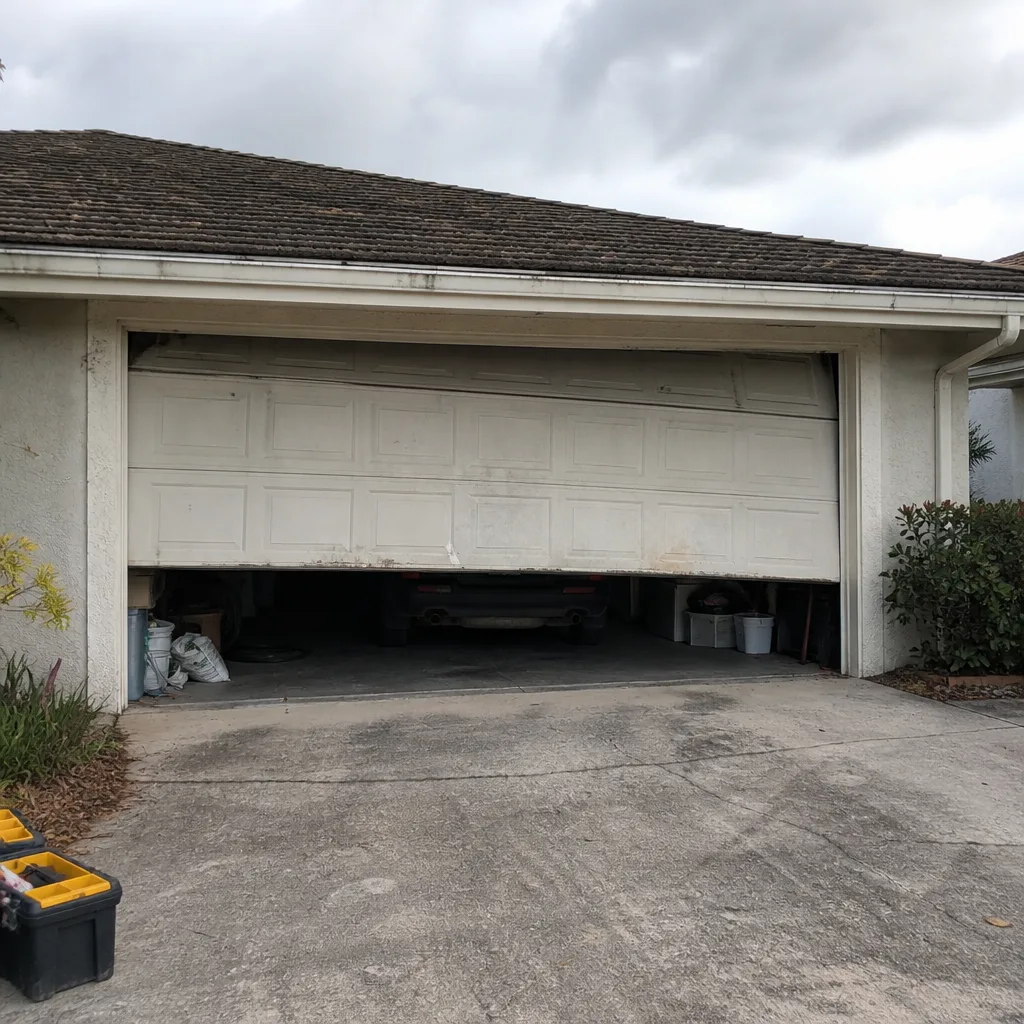 Before
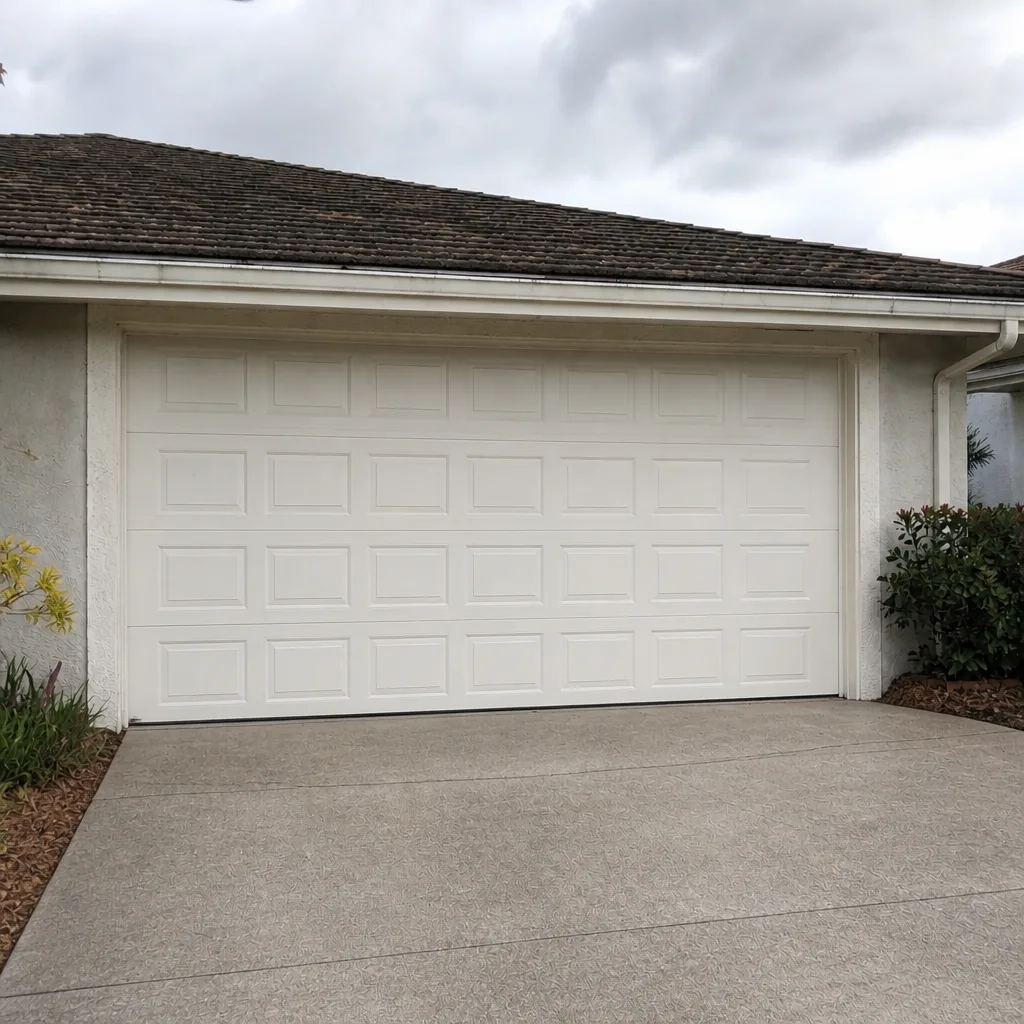 After
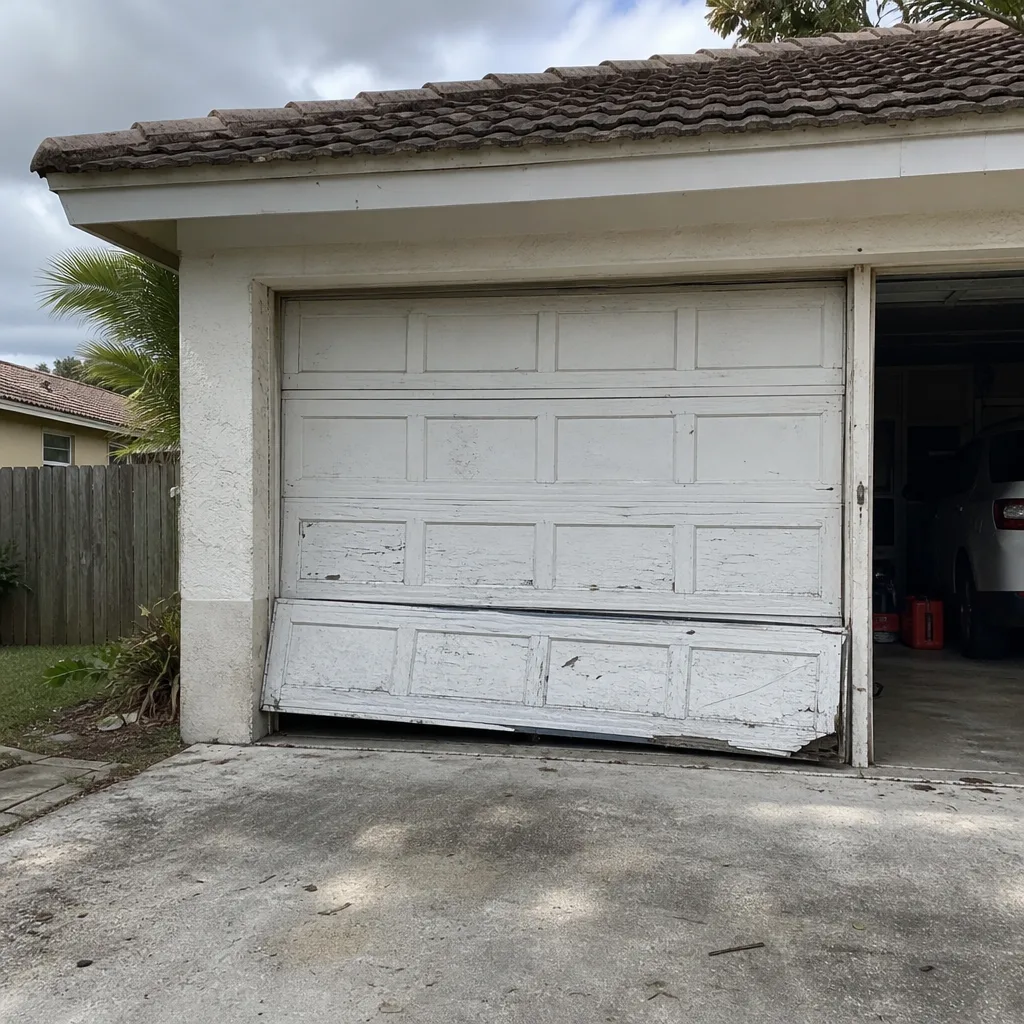 Before
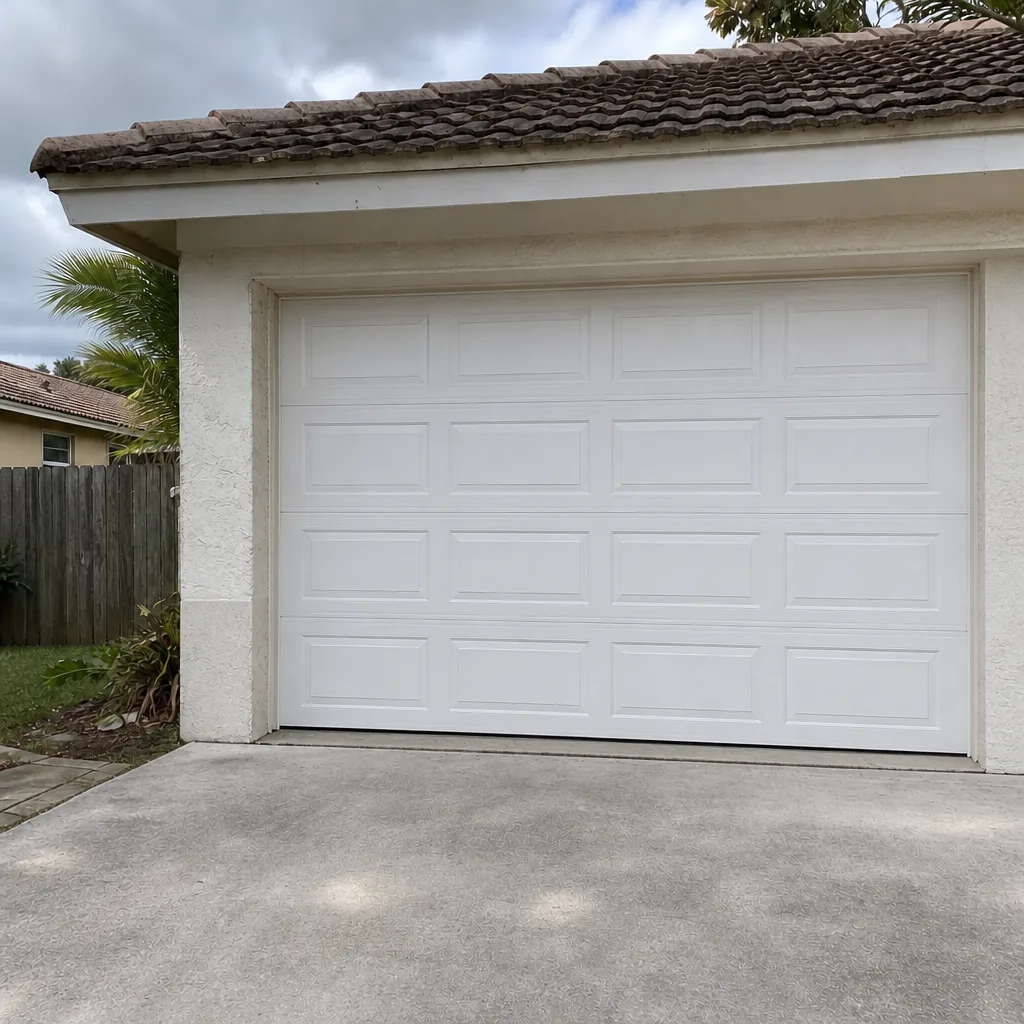 After
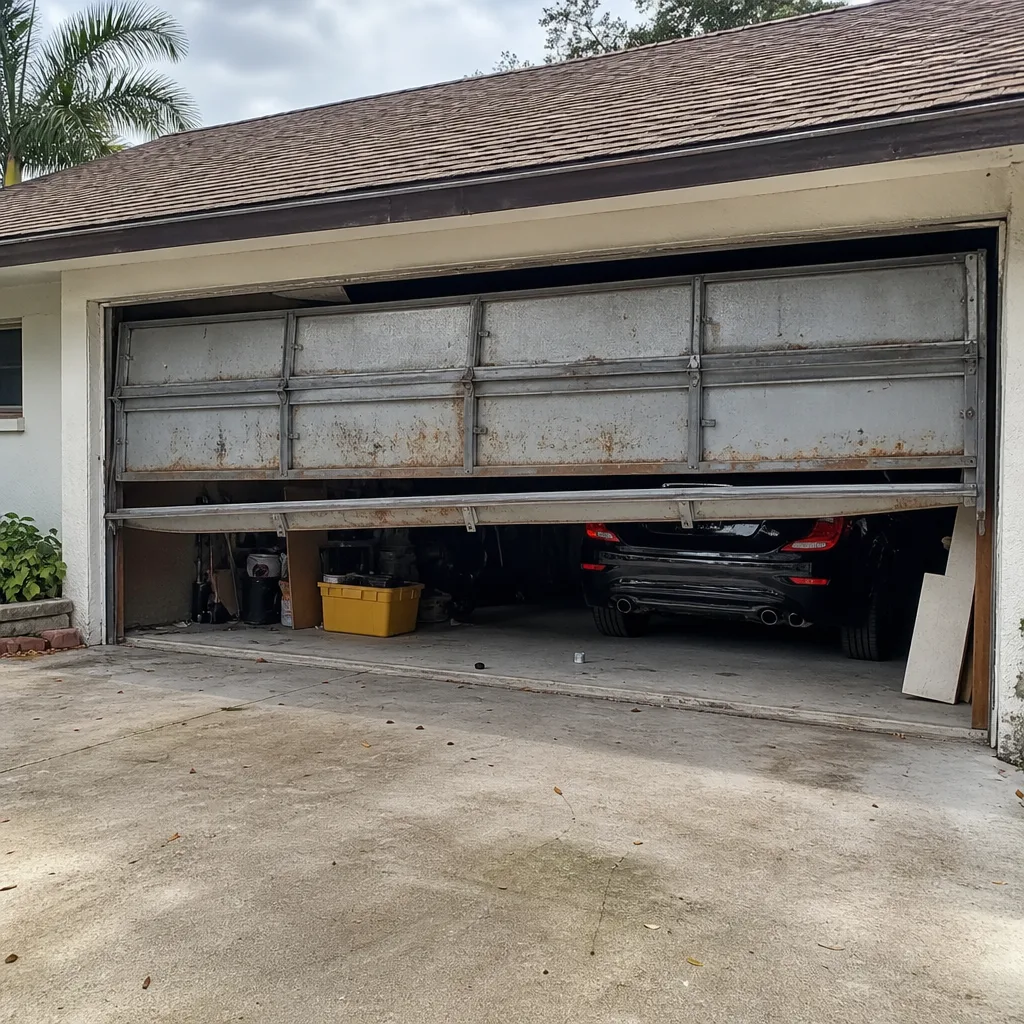 Before
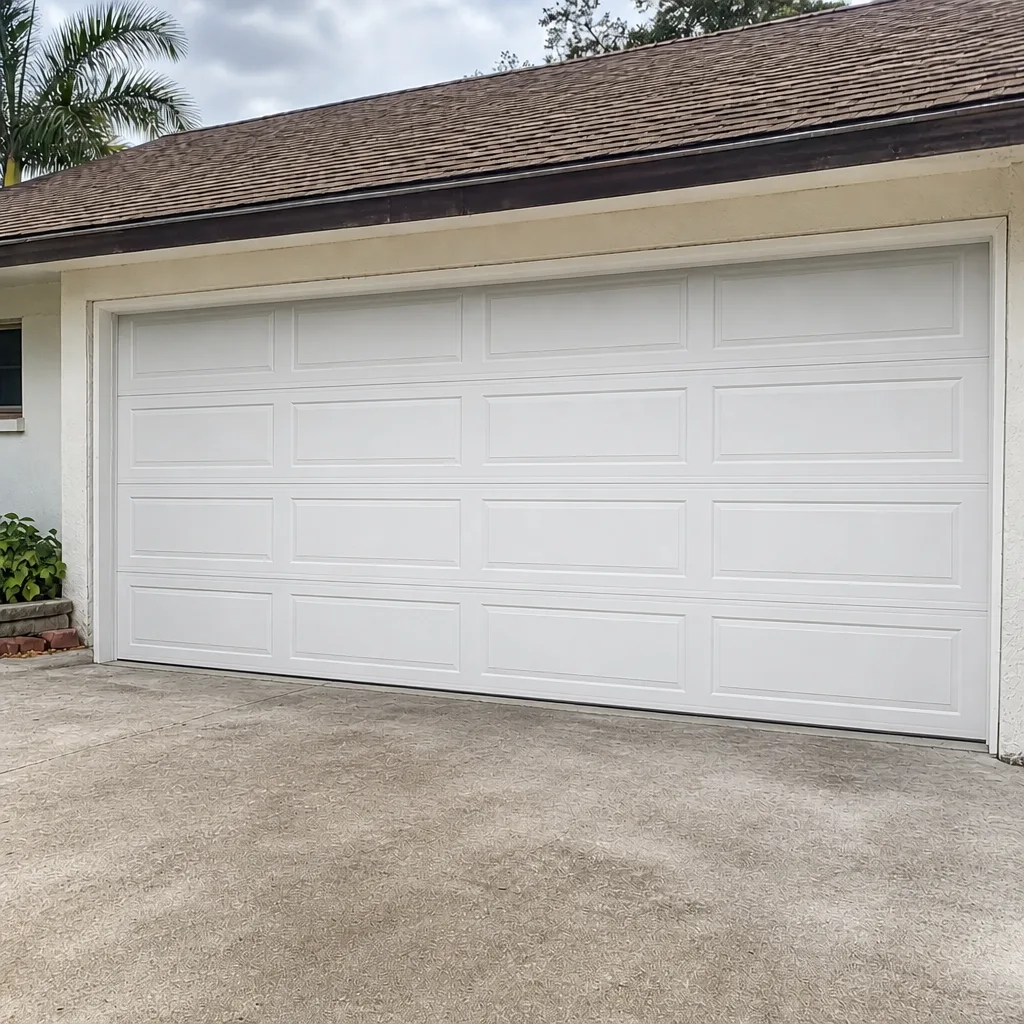 After
When to Call a Professional
Call a specialist when the job involves spring or cable tension, when the opener needs electrical repair, when a part isn’t available locally, or when you’re not sure what’s actually wrong. Call right away when the door is stuck open and the home isn’t secure, when a spring has broken and the door won’t lift, or when the door has come off its track entirely. Those are safety and security issues, and they’re the situations where garage door repair should start with a trained technician on-site, not a homeowner guessing. Our technicians have up to 8 years of experience and service the brands on your home, from LiftMaster to Clopay to Raynor, so you’re not waiting on a dealer for a brand-specific part. Jupiter Garage Door Repair Pros offers free estimates in Jupiter – call (877) 820-9302. The price is quoted and agreed before any work starts, and we answer 24/7 with fast dispatch from 7am to 7pm, Sunday through Friday.
Frequently Asked Questions
No. Torsion and extension springs are under extreme tension and release violently if handled wrong, and the winding tools aren’t standard homeowner equipment. This is a professional job under any circumstances. Call (877) 820-9302 for a free estimate from a trained technician – spring work is a core service we handle.
Safe DIY jobs are limited to replacing the bottom seal or weatherstripping, aligning the photo-eye sensors, lubricating hinges and rollers, and reprogramming remotes or keypads. None of these involve spring tension or line voltage. Anything that does is a specialist’s job. Call (877) 820-9302 if you’re unsure which side of that line your repair falls on.
It depends on the work. Repairs that restore the door to its existing condition, like a spring or sensor swap, usually don’t need a permit. Structural changes like widening the opening or replacing the framing do, and so can some full door replacements. Ask your city’s building department before you start. If you’re weighing a repair versus a replacement, call (877) 820-9302 for a free assessment.
The most common cause is misaligned or dirty photo-eye sensors near the floor. Wipe the lenses and check they face each other squarely with solid indicator lights. If that doesn’t fix it, the issue may be a limit switch or the opener’s logic board, which is a specialist’s call. Call (877) 820-9302 to diagnose it – estimates are free.
A handyman can handle cosmetic or simple tasks, but spring, cable, and opener electrical work needs someone who does garage doors as their trade. A garage door specialist carries the right tools, knows the specific brands on your home, and can diagnose the whole system instead of guessing. Call (877) 820-9302 to get a specialist out.
Call us. A door that won’t close leaves the home unsecured, and that’s a same-day priority. We answer 24/7, and a call outside dispatch hours is booked into the next opening, Sunday through Friday, 7am to 7pm. Call (877) 820-9302 and we’ll get you scheduled.
The Bottom Line
The DIY-versus-pro question comes down to which specific task you’re facing, not how handy you are. Seals, sensors, lubrication, and remote programming are yours to handle, and worth doing regularly in Jupiter’s climate. Springs, cables, structural changes, and opener electrical work belong to a trained garage door specialist because the risk is real and the parts are often dealer-only. When you’re not sure, a free diagnostic estimate settles it before you spend a dollar or pick up a tool. Everything you need to get back up and running is one call away. Call (877) 820-9302 for a free estimate. We answer 24/7, with fast dispatch from 7am to 7pm, Sunday through Friday, and the price is quoted and agreed before any work starts.
Written by the team at Jupiter Garage Door Repair Pros.