
Last updated November 23, 2026
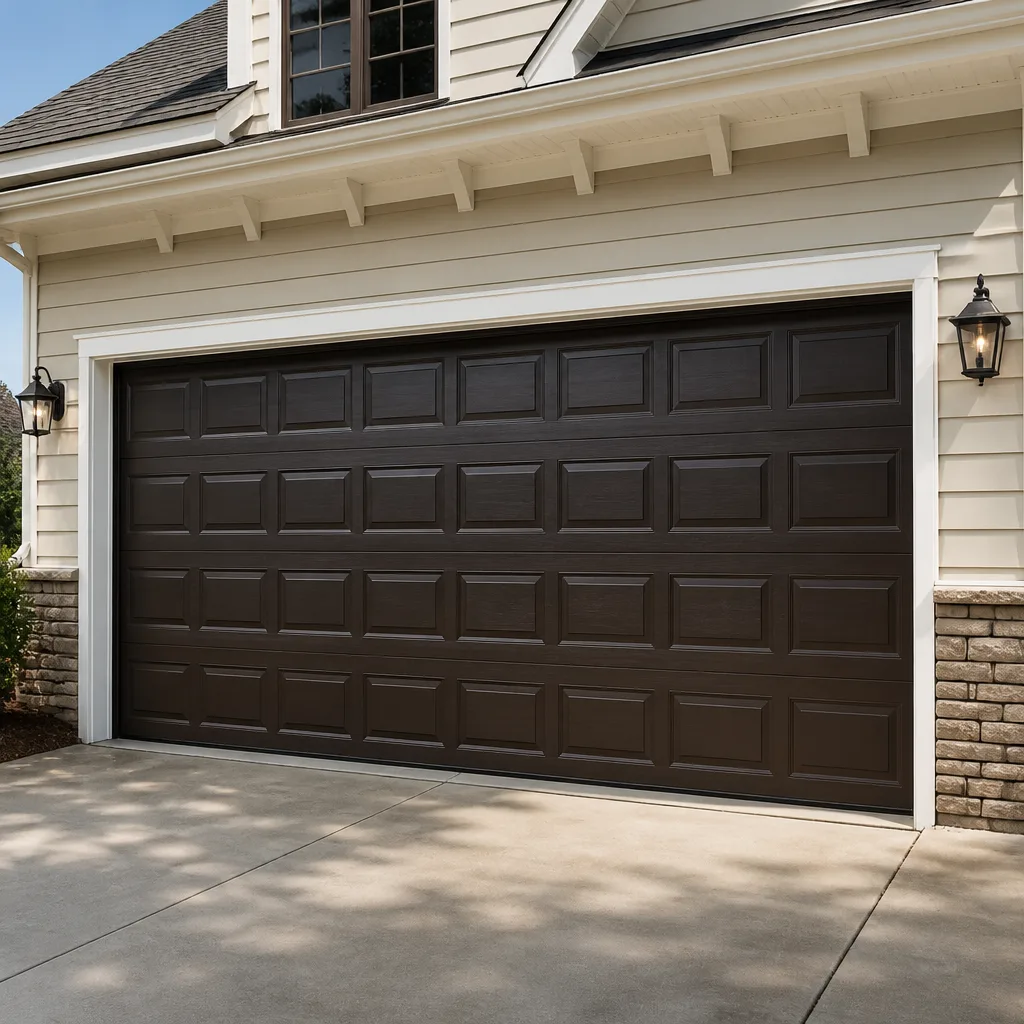 Raised-panel steel
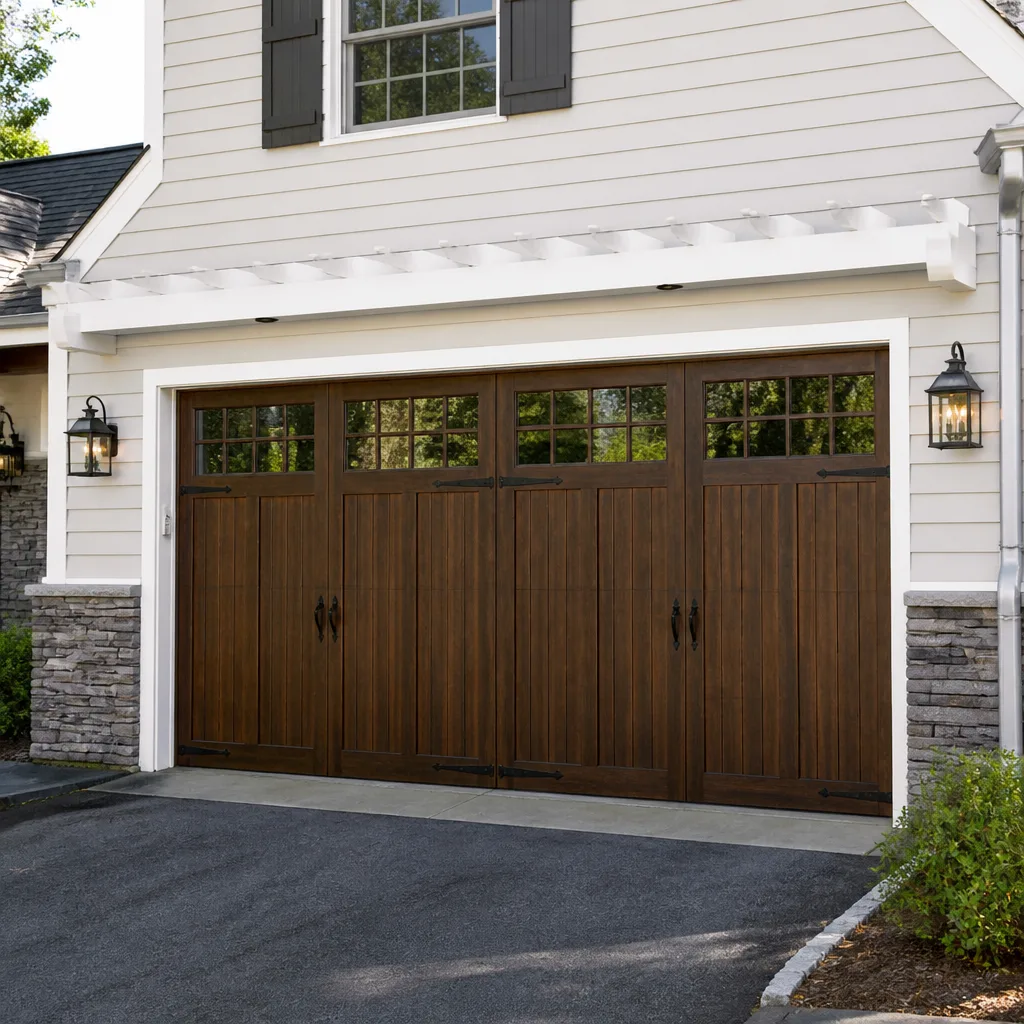 Carriage house
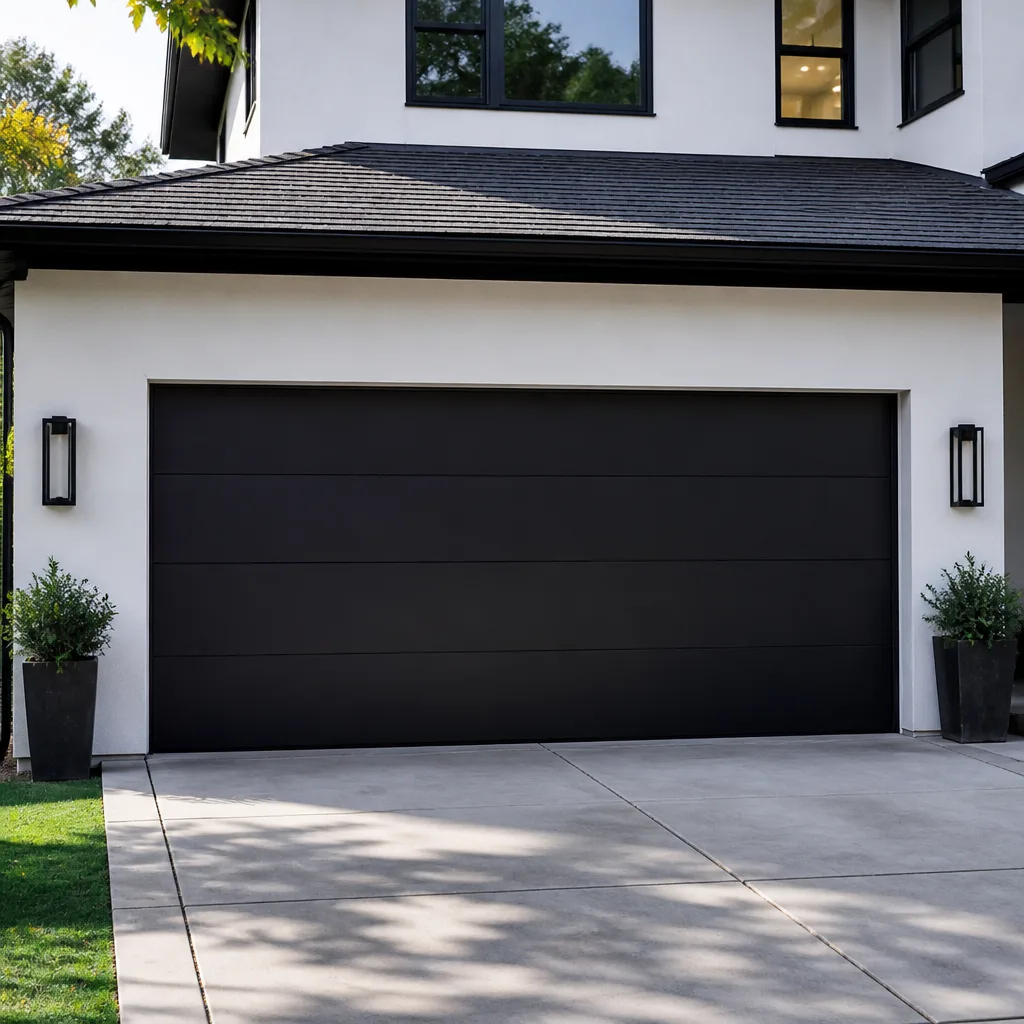 Modern flush
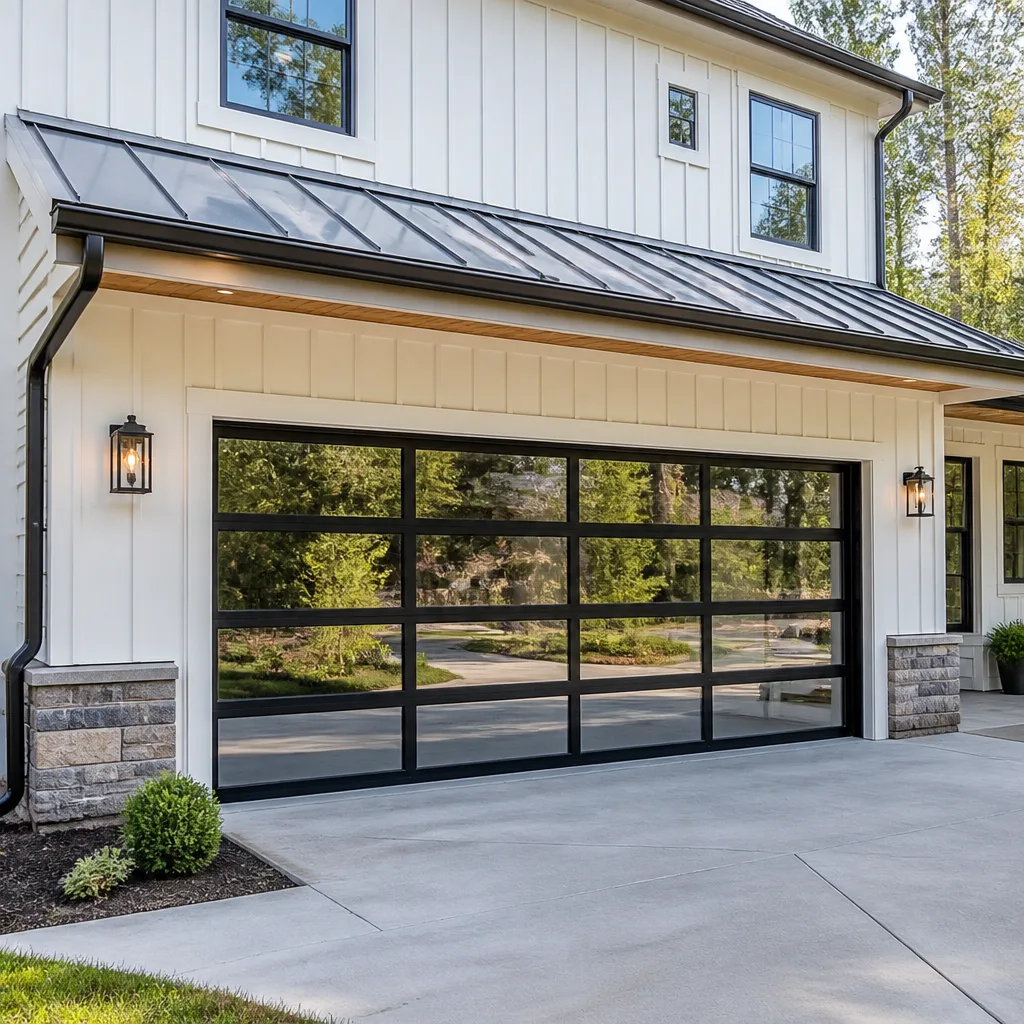 Full-view glass
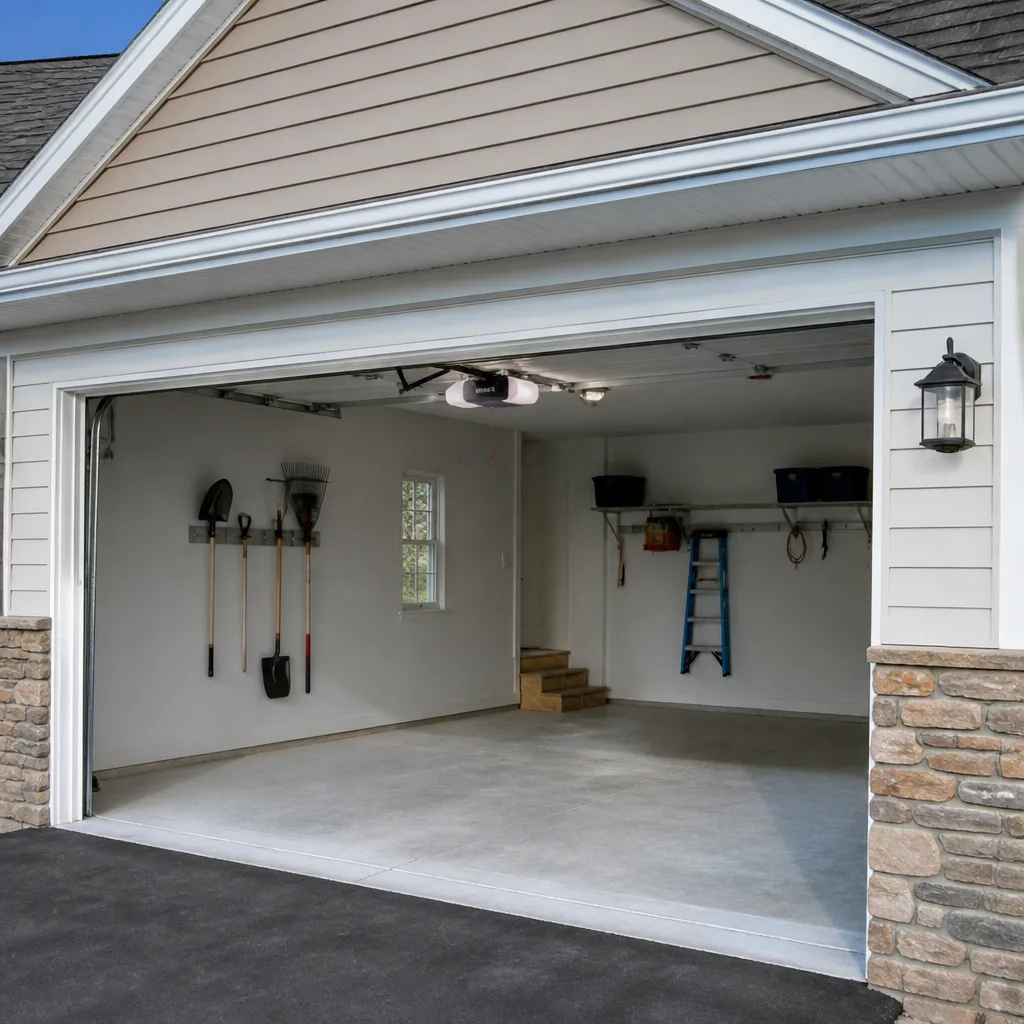 LiftMaster openers
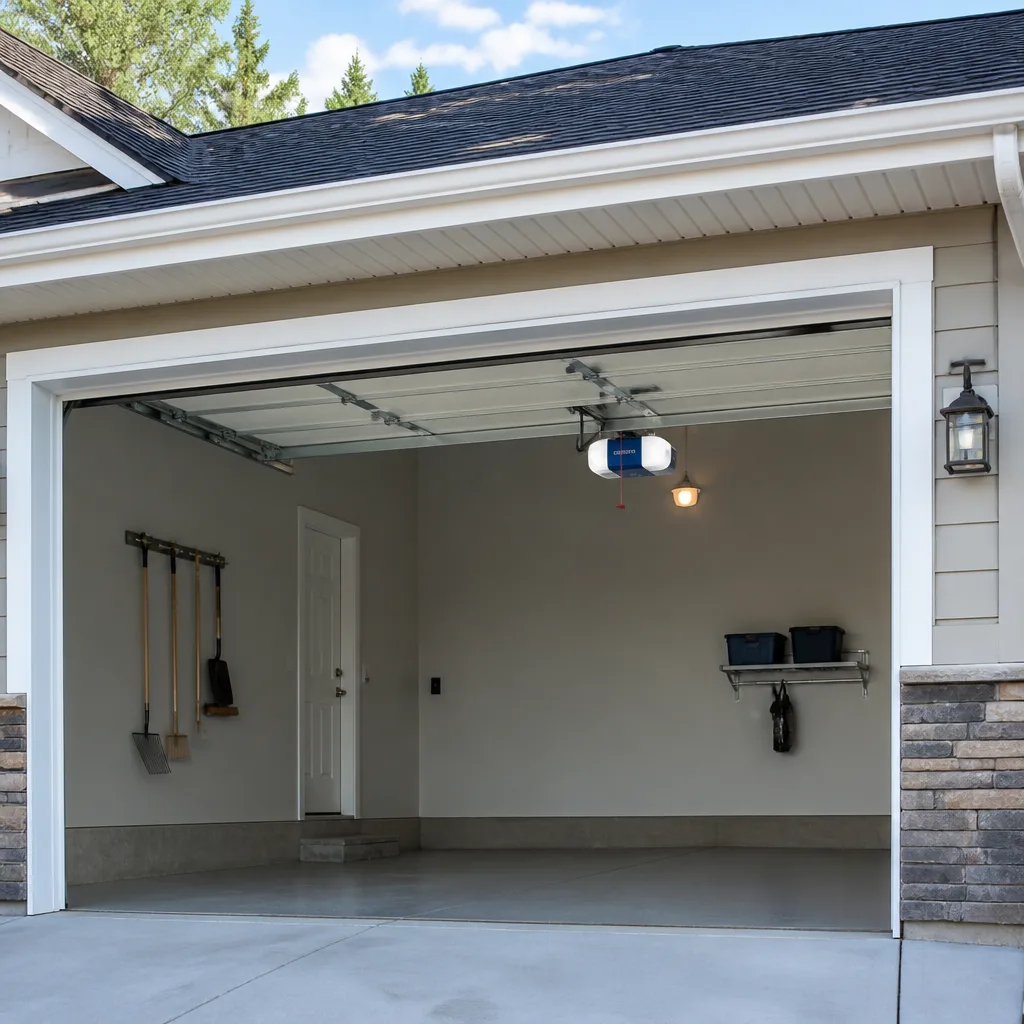 Chamberlain openers
Full 25-point door and opener safety check with every visit - springs, cables, rollers, tracks, and your LiftMaster or Chamberlain opener included
You get a price before we start. It does not change when the pro arrives.
Get your free estimateGarage Door Repair Maintenance Checklist for Jupiter Homeowners
Most garage door maintenance checklists floating around the internet were written for a dry climate and a house that sits far from salt water. Follow one of those in Jupiter and your spring can corrode between service visits, your bottom seal can turn into a lizard highway, and your opener’s safety reverse can drift out of compliance without anyone noticing. This guide fixes that. We’ve built a maintenance schedule around what actually happens to garage doors in Jupiter: the humidity, the salt in the air, the afternoon storms, and the sandy soil that lets a slab shift a fraction of an inch after a wet season. You’ll get specific intervals, inspection points you can check yourself, and a clear line where the work stops being safe to do alone.
Quick Answer
In Jupiter, a garage door needs lubrication every 4 to 6 months rather than once a year, a spring and hardware inspection every 6 months for rust, a bottom seal check every season, a post-storm track alignment check, and an opener auto-reverse test every month. Our technicians, who have up to 8 years of experience, treat the coastal humidity schedule as the baseline here, not the exception. If anything looks worn, rusted or misaligned, stop and call a specialist before you run the door again.
Styles & brands we work with
- Raised-panel steel
- Carriage house
- Modern flush
- Full-view glass
- LiftMaster openers
- Chamberlain openers
Table of Contents
- Why Jupiter Doors Age Faster Than the National Checklist Assumes
- The Jupiter Lubrication Schedule (and Which Lubricants Hold Up)
- Torsion Spring Rust: What to Look For Before Failure
- Bottom Seals and Weatherstripping: Humidity and Pest Entry
- Track Alignment After Storm Season
- Opener Safety and Auto-Reverse: The Code-Compliance Test
- Brand-Specific Notes for the Doors Jupiter Homes Actually Have
- Your Month-by-Month Maintenance Calendar
Why Jupiter Doors Age Faster Than the National Checklist Assumes
The standard advice says lubricate your garage door once a year, inspect the springs when you think about it, and replace the bottom seal when it looks bad. That advice was written somewhere with four distinct seasons and low average humidity. Jupiter runs a different program. Warm, humid air sits against metal hardware most of the year, and moisture that would evaporate in a dry climate instead lingers on hinges, rollers, and spring coils. Salt carried in the air settles on the same surfaces and speeds the oxidation along.
What that means in practice is that the wear clock here runs faster. A torsion spring that a national checklist says to inspect yearly is worth looking at every six months in Jupiter, because rust pitting on a coil is a leading indicator of failure, and a failed torsion spring is not something to be standing under. Hinges that would squeak gently in a dry house here can seize and start wearing the roller stems. A bottom seal that might last years inland can stiffen, crack, and lose its seal within a couple of seasons.
Then there’s the ground under the door. Jupiter’s soil and slab behavior mean the garage floor and the walls around it can settle subtly over time, especially after a heavy rainy season. That shows up as a track that’s no longer plumb, a door that binds at one corner, or a gap that wasn’t there last year. None of it is dramatic. All of it is worth catching early.
If you take one idea from this guide, take this: national checklists are a floor, not a ceiling. In Jupiter, everything moves up.
The Jupiter Lubrication Schedule (and Which Lubricants Hold Up)
Lubricate the moving metal parts of your garage door every 4 to 6 months in Jupiter, not once a year. That’s the single biggest adjustment to make from a national checklist. More frequent application keeps a protective film on the hardware between visits, and in humid air that film is what stands between you and rust.
What to lubricate
- All hinges, at the pivot points where the metal meets metal
- Roller stems and bearings (not the roller wheels themselves, which don’t need it)
- The torsion spring coils, lightly, with a purpose-made spring lubricant
- The lock, latch, and any manual release hardware
- The opener’s chain or screw drive, following the opener manufacturer’s guidance
What NOT to lubricate
- Nylon rollers or the plastic parts of rollers
- The tracks themselves, which should stay clean and dry so the rollers roll instead of sliding
- The opener rail if it’s a belt drive (belt drives run dry)
- Photoelectric safety sensors and lenses
Which lubricants actually resist humidity and salt air
The formulation matters more here than it does inland. A thin general-purpose oil burns off fast in the heat and offers little moisture protection. A light grease can trap grit and gum up the works. What holds up best in Jupiter is a lithium-based or silicone-based garage door lubricant designed to stay put and resist moisture. Silicone sprays are the safer choice on anything near plastic or painted surfaces. A heavier white lithium grease works well on hinge pivots and spring coils where you want persistence. Skip graphite in coastal air.
Whatever you use, apply it sparingly and wipe off the excess. Excess lubricant attracts dust and sand, and sand is one more thing grinding away at your hardware.
Torsion Spring Rust: What to Look For Before Failure
Rust on a torsion spring is the earliest reliable warning that it’s getting ready to break, and in Jupiter it shows up months before it would inland. Look at the coils, not just the ends. The first signs are usually faint orange or brown speckling on the coil surface, followed by pitting where the metal has actually started to lose material. A spring that’s still shiny is fine. One that’s dull with visible pitting is a candidate for replacement before it fails on its own schedule.
What to check on a spring inspection
- Look along the full length of the coil for rust spots, not just at the ends
- Check the spring’s anchor points and the bearing plate for corrosion
- Listen for a popping or snapping sound when the door operates; that’s a spring telling you something
- Watch the door for uneven movement, sagging at one side, or refusal to open fully
- Check the balance test: with the door disconnected from the opener, lift it halfway and let go. A properly balanced door stays put. One that slams down or won’t stay has a spring or cable problem
That balance test is a “check,” not a “fix.” We need to be very clear here: torsion and extension springs are under enormous tension, and a spring that’s about to fail can release that energy without warning. Spring repair is not a DIY repair. Specialized tools and experience are required, and a mistake can cause serious injury or worse. If anything on the list above looks off, stop operating the door and call a professional.
One more note on cost: springs are priced per spring, and a matched pair usually gets replaced together. If one of your two springs fails, the other is likely the same age and under the same corrosion load, so a matched pair replacement is common. Our garage door spring repair team handles both torsion and extension systems.
Bottom Seals and Weatherstripping: Humidity and Pest Entry
Your bottom seal does double duty in Jupiter: it keeps humid outside air and rain from getting under the door, and it keeps the local wildlife out. South Florida has a lot of small lizards, insects, and the occasional frog that treat a gap under a garage door as a front door. A seal that’s cracked, curled, or sitting a quarter inch short is doing neither job well.
How to inspect your bottom seal and weatherstripping
- Close the door completely and look for daylight under the bottom edge from inside the garage
- Run a hand (or a flashlight) along the seal and feel for cracks, stiff spots, or sections that no longer make contact
- Check the vertical weatherstripping and the trim around the door frame for gaps, peeling, or missing pieces
- Look for small debris, leaves, or sand collecting along the bottom edge, which is usually a sign the seal is dragging
- Inspect the interior of the garage for signs of water staining, mud, or pest droppings, which point back to a seal problem
Replace a bottom seal when it stops sealing, not on a fixed calendar. In Jupiter, that’s typically every 2 to 4 years for a standard rubber seal, though how much sun your door gets and how often it’s cycled matters. If your garage has an AC unit or anything else you’re trying to keep dry, treating the seal as scheduled maintenance rather than a fix-when-broken item pays off.
Weatherstripping around the sides and top of the frame gets less attention than the bottom seal, but it’s just as vulnerable to sun cracking and humidity swelling. Check it at the same time you check the bottom seal, and replace any piece that’s stiff or has pulled away from the frame.
Track Alignment After Storm Season
After a Florida rainy season or a run of afternoon storms, it’s worth checking whether your garage door tracks are still running true. Water against the slab and the surrounding soil can cause a small shift, and even a fraction of an inch translates into a door that binds or a roller that pops out of its track. You probably won’t notice until the door starts making a new noise or stops closing cleanly.
The home alignment check
- Stand inside the garage and look along each vertical track from floor to ceiling; it should look straight and parallel to the door edge
- Run the door up and down several times and listen for grinding, popping, or scraping
- Check for visible gaps or bends in the track at the curve where it turns horizontal
- Look at where the tracks anchor to the wall; rust or a loosened bracket at that point often means the anchor has moved
- Watch for a door that goes up crooked, which points to an alignment problem rather than a worn roller
A track that’s out of alignment should be adjusted, not shoved back into place by hand. Force on a bent track can put uneven stress on the springs and the opener, and the door can come off the track entirely. That’s a call-a-professional moment. For general issues that come up after a storm, our garage door repair service covers track realignment, roller replacement, and panel work, and we’re a garage door specialist, not a general handyman service that also happens to do doors.
Opener Safety and Auto-Reverse: The Code-Compliance Test
The auto-reverse function on your garage door opener isn’t a nice-to-have; it’s a required safety feature under US garage door safety standards, and it needs to actually work. Test it once a month. If the opener doesn’t reverse when it contacts an object, or the photoelectric safety sensors don’t stop the door, the door needs service before anyone uses it.
How to test auto-reverse
- Place a piece of wood or a similar object about 1 to 1.5 inches thick flat on the garage floor under the door
- Close the door using the opener and watch what happens when it reaches the object
- The door should reverse and go back up; if it closes on the object or stops without reversing, the opener needs adjustment or repair
- Test the photoelectric safety sensors by passing a hand or object through the beam while the door is closing; the door should reverse
- Test the manual release to make sure the door can be disengaged by hand in an emergency
There’s a second compliance concern in Florida’s heat: an opener’s force settings and travel limits can drift over time, and a door that was properly calibrated last year may not be this year. If your opener is an older model, a smart-system update may be worth discussing with your technician alongside the safety test.
Opener problems show up in a few recognizable ways: the door stops mid-travel, the remote only works from close range, the opener runs but the door doesn’t move, or the light flashes a diagnostic code. Those electronic components, the remote programming, the logic board, the smart-home integration, are exactly what general repair shops often can’t diagnose. Our garage door opener repair technicians handle them as a specialty.
Brand-Specific Notes for the Doors Jupiter Homes Actually Have
Jupiter has a wide mix of garage door and opener brands on homes of every age, and each one has its own maintenance quirks. Knowing which system is on your house changes what to check first.
- Amarr and Wayne Dalton doors are common on newer builds in the area, and both respond well to the standard lubrication and sealing schedule with no special fasteners needed for routine maintenance.
- Craftsman and Raynor openers, often found on older homes, are the ones most likely to have drifted safety settings and the ones most worth testing monthly.
- LiftMaster, Chamberlain, Genie, and Clopay systems have their own parts and their own recommended lubricants, which is why we stock the working knowledge of all eight brands rather than preferring one. We work on your brand, not just ours.
If you’re not sure which brand you have, the label on the opener motor or the door’s interior will tell you. When you call, mention it, and the technician can come prepared with the right parts and the right lubricant.
Your Month-by-Month Maintenance Calendar
Here’s how the Jupiter schedule falls out across a year, mapped to the local seasons rather than the national four-season model.
- Every month: Auto-reverse and sensor test, visual scan of the door while cycling it
- Every 4 to 6 months: Full lubrication of hinges, rollers, spring coils, and opener chain or screw (see the lubrication section above)
- Every 6 months: Torsion spring rust inspection, hinge and roller wear check, bolt tightening on the track brackets
- Before and after the storm season (roughly May and October): Track alignment check, door balance test, weatherstripping and bottom seal inspection
- Once a year: Full professional inspection if you’ve done the checks yourself; recommended for any door over 15 years old
The professional inspection isn’t a sales pitch, it’s a second set of eyes. A trained technician can spot a spring that’s about to fail, a hinge that’s wearing its roller stem, or an opener that’s out of compliance, often before the homeowner notices a symptom. We offer free estimates for any repair work found during the inspection, and the price is quoted and agreed before work begins.
Common Mistakes to Avoid
- Following a once-a-year lubrication schedule. In Jupiter’s humidity, that leaves your hardware dry between visits. Bump it up to every 4 to 6 months.
- Lubricating the tracks. Tracks should stay clean and dry. Lubricant on the track makes rollers slide instead of roll, and sand and grit stick to it.
- Ignoring rust on the spring coil. Rust pitting on a torsion spring is the warning sign before failure. Don’t wait to address it.
- Skipping the monthly auto-reverse test. This is a safety requirement, not an optional check, and heat-related drift is common in Jupiter.
- Treating a bottom seal as cosmetic. In South Florida, a cracked seal invites humid air and pests into your garage, and it gets worse quickly.
- Not checking track alignment after storm season. Subtle ground movement after heavy rains shows up as binding doors and worn track.
- Attempting spring work yourself. Torsion and extension springs carry serious injury risk and require professional tools. This is the one item on this list that should never be a DIY project.
See the difference
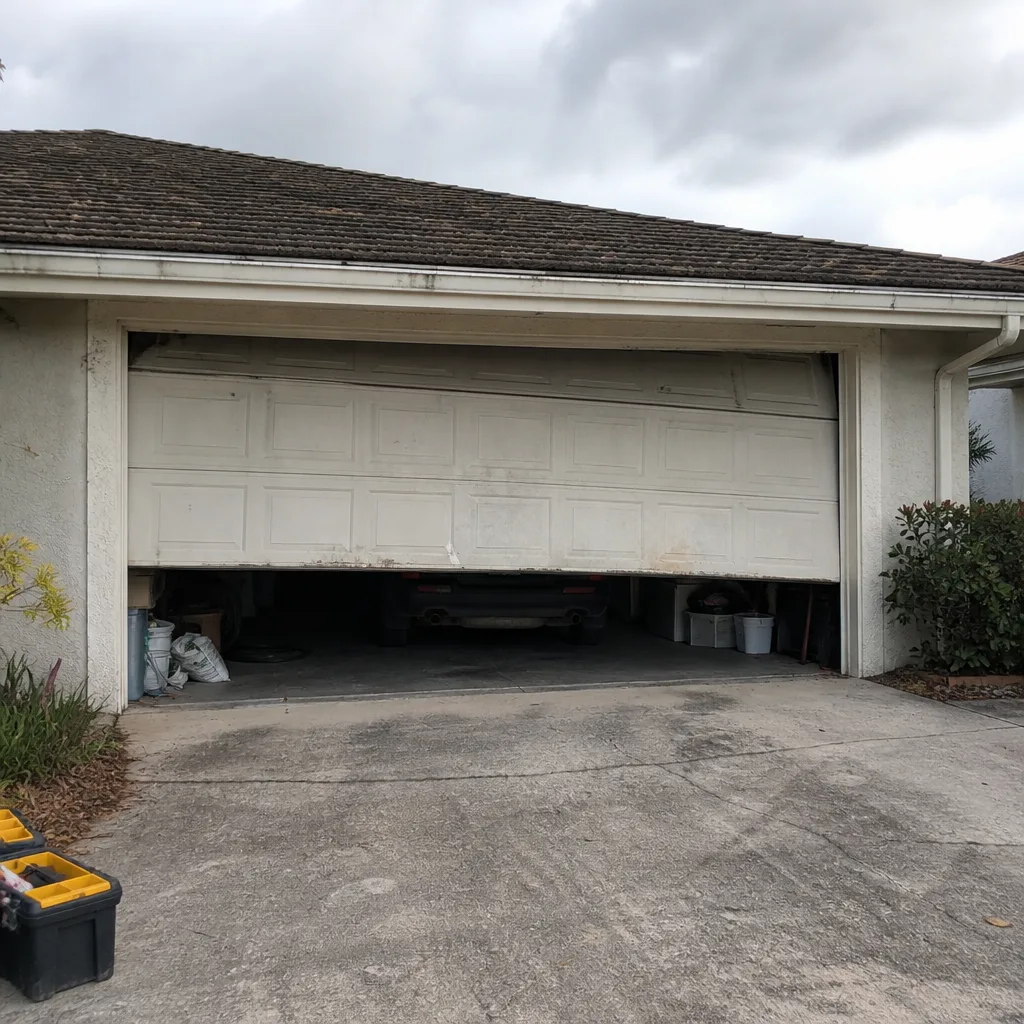 Before
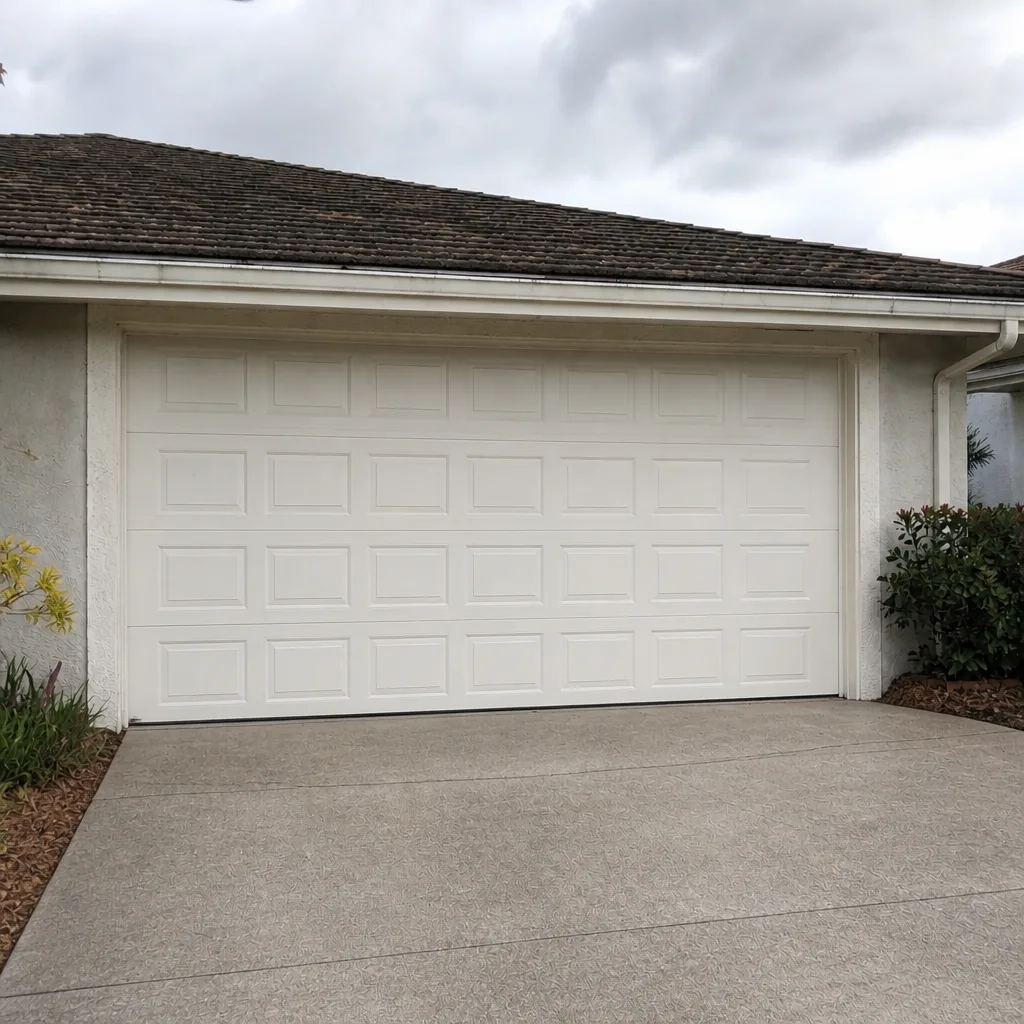 After
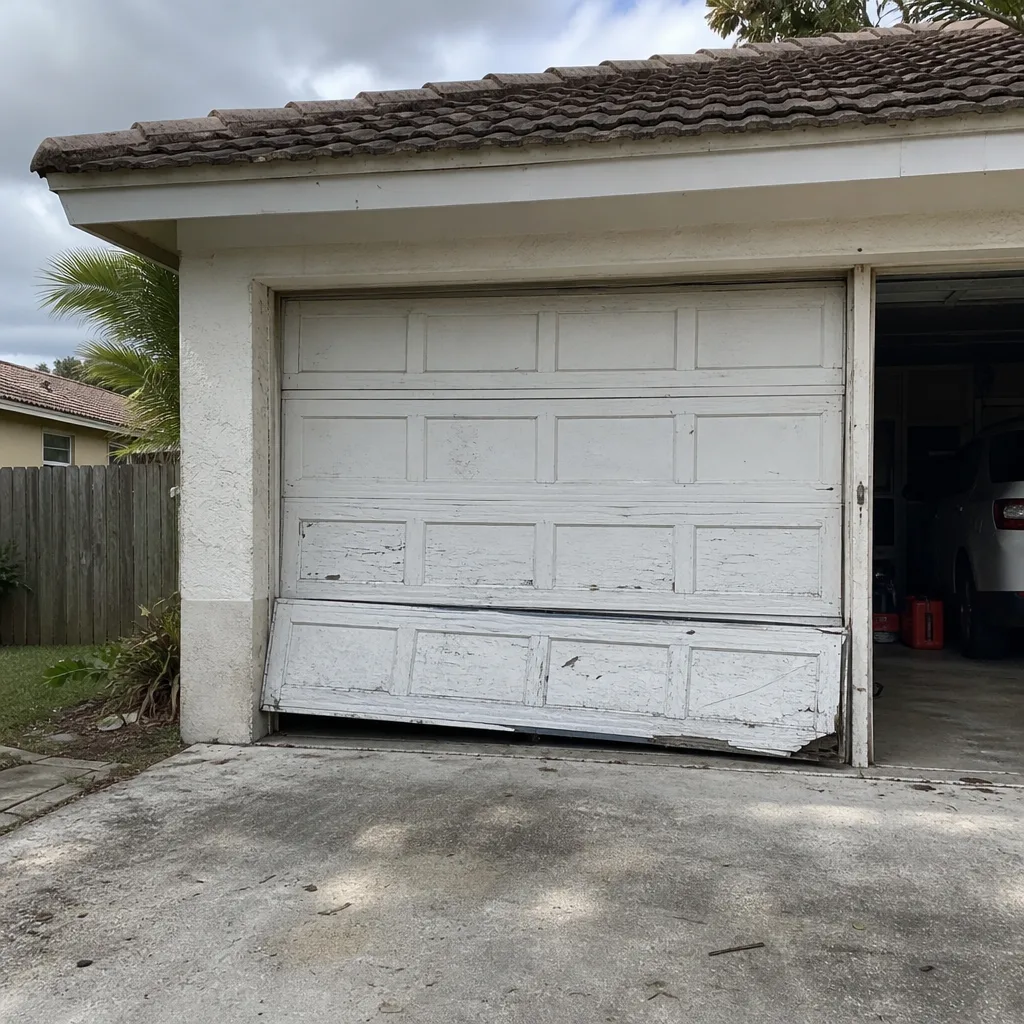 Before
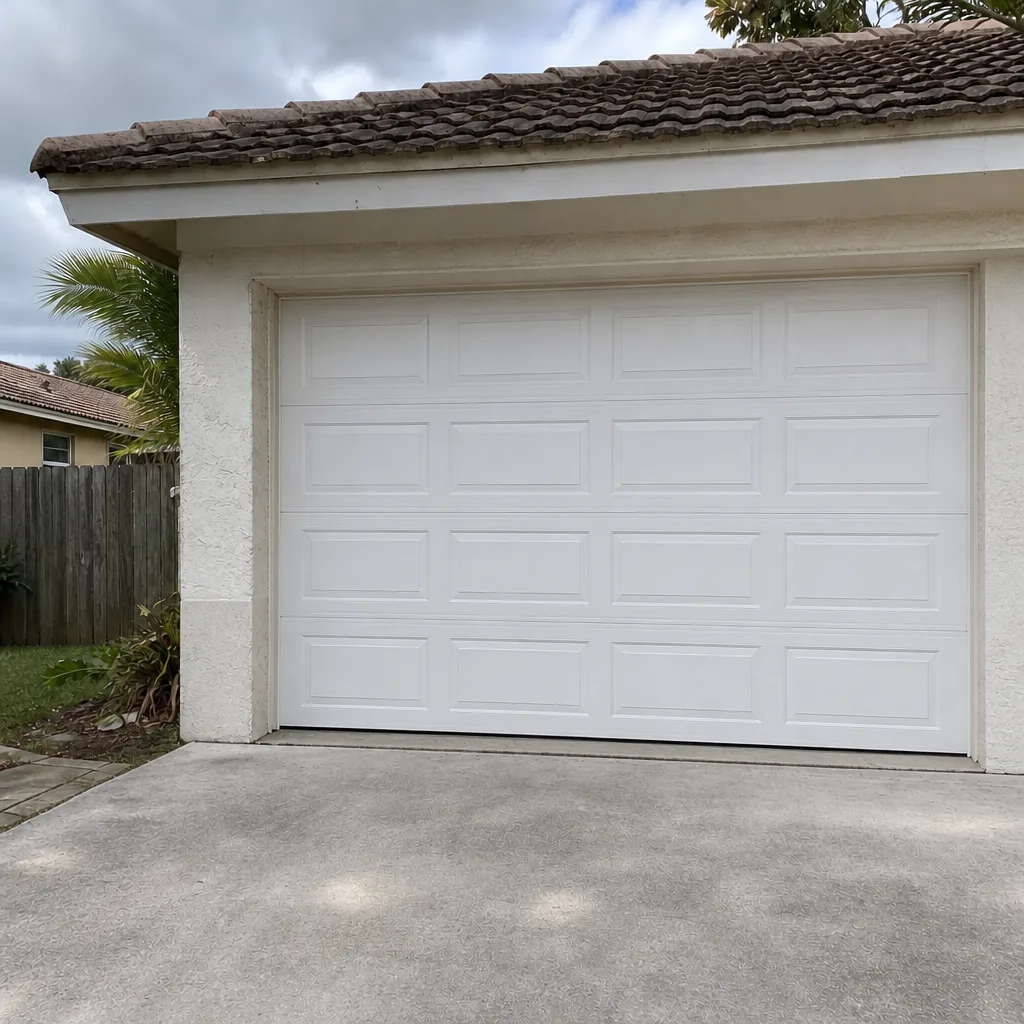 After
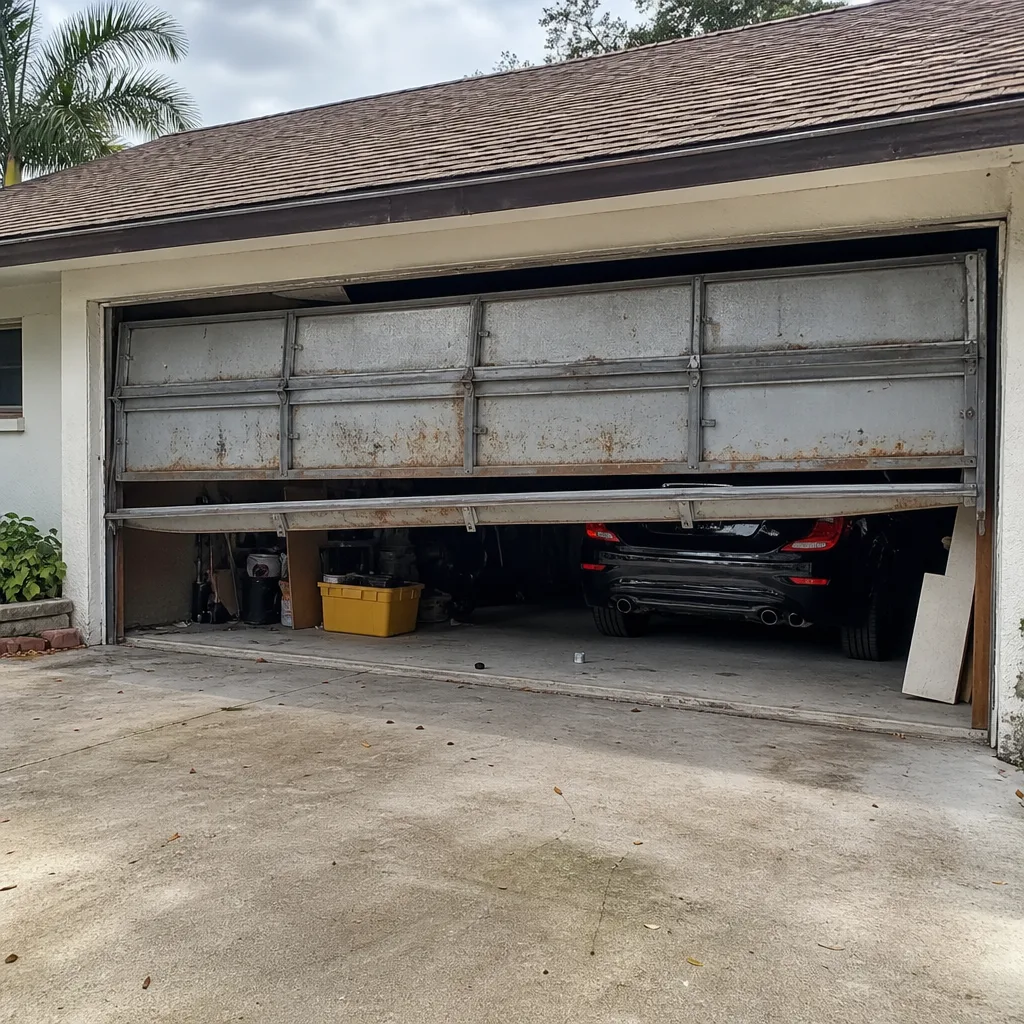 Before
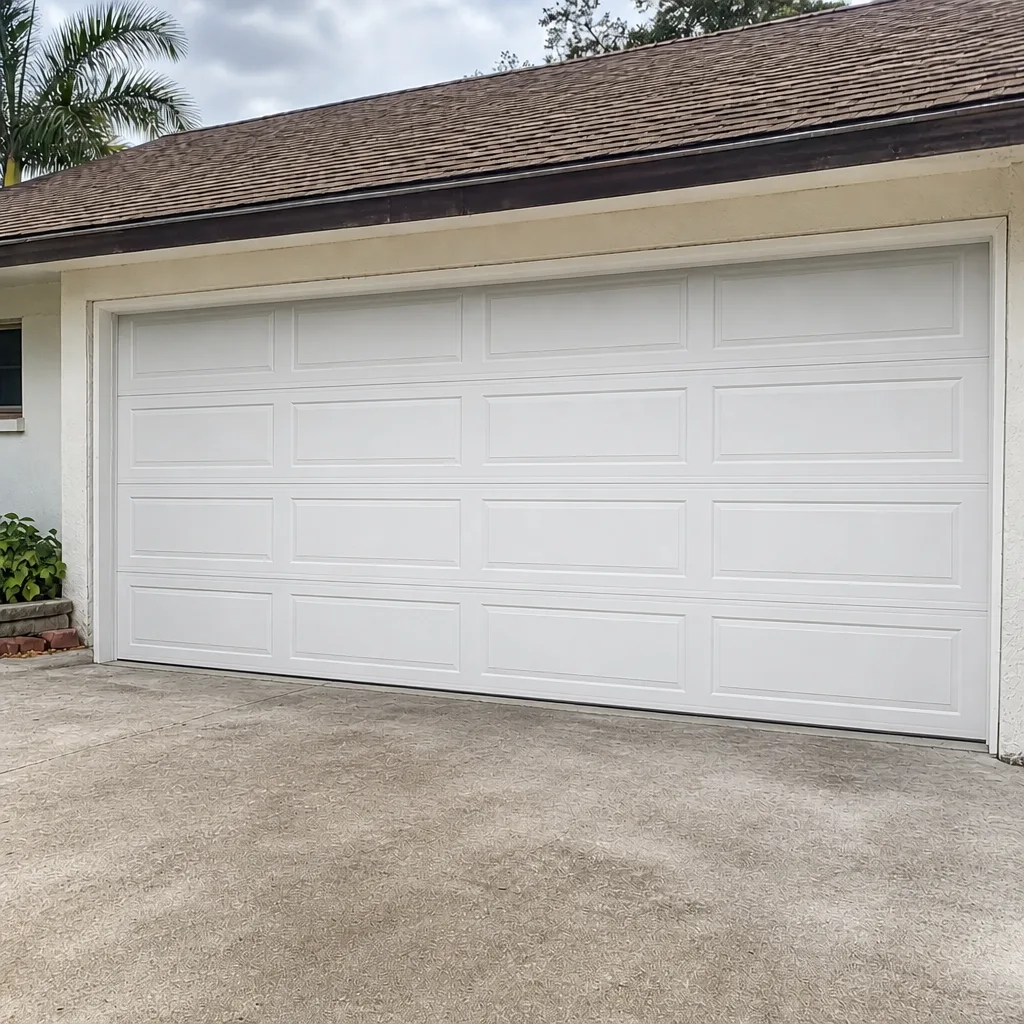 After
When to Call a Professional
Some items on this checklist are homeowner work, and some aren’t. Call a professional if your door won’t open or close evenly, if a spring looks rusted or sounds wrong, if the door has come off its track or binds after a storm, if the opener doesn’t pass the auto-reverse test, or if the garage door is leaving your home unsecured. Springs, track realignment, and obsolete or failing openers are professional work, full stop. Jupiter Garage Door Repair Pros is a dedicated garage door company. If you’re not sure whether something needs a call, we’ll give you a straight answer. Self-guided maintenance is fine, but a trained eye catches what a checklist can’t.
For anything urgent, including a broken spring, a door stuck open, or an opener that’s dead when you need to get the car out, we offer emergency service for situations that create a safety or security risk. Our technicians have up to 8 years of experience and work on all eight of the major brands we’ve covered here.
Frequently Asked Questions
Every 4 to 6 months, not once a year. Jupiter’s humidity and salt air mean metal hardware needs a protective film more often than a national checklist suggests. Use a moisture-resistant lithium or silicone garage door lubricant and apply it sparingly.
Look for rust pitting along the whole coil, not just the ends, and listen for popping or snapping when the door moves. A door that’s hard to lift or won’t stay halfway up also points to spring wear. Any of those signs means stop using the door and call a specialist.
It’s a safety issue that needs repair before anyone uses the door normally. The auto-reverse function is a required safety feature, and if it’s not working, the opener needs adjustment or service. Call us for a free estimate and we’ll diagnose it.
No. Torsion and extension springs carry serious injury risk and require professional tools and experience. This is the one item on this checklist that should always go to a trained technician.
Start with a properly sealed bottom seal and intact weatherstripping around the frame. In Jupiter, a small gap under the door is an invitation. Inspect the bottom seal every season and replace any piece that’s cracked, stiff, or no longer making contact with the floor.
No. The price is quoted and agreed before any work begins, and that written estimate sets the final price. Free estimates are available for all repair work we recommend.
Yes. We service LiftMaster, Chamberlain, Genie, Clopay, Amarr, Wayne Dalton, Craftsman, and Raynor equipment. We work on your brand, not just the one we’d prefer to sell, and we cover both the mechanical side and the electronic side in one service call.
The price is set per job by the written estimate. Call (877) 820-9302 for an exact quote. Estimates are free, and we’ll tell you straight whether the work is urgent or can be scheduled.
The Bottom Line
A garage door maintenance checklist written for a dry climate will leave a Jupiter homeowner behind. The core of the Jupiter schedule is simpler and tighter: lubricate every 4 to 6 months, inspect springs for rust every 6 months, check bottom seals and weatherstripping every season, check track alignment after storm season, and test auto-reverse every month. Most of that you can do yourself. The exceptions are springs, track realignment, and an opener that fails its safety test, and those are worth calling a specialist for. If you’d rather have someone who lives this trade do the inspection, Jupiter Garage Door Repair Pros offers free estimates in Jupiter. Call (877) 820-9302. We answer 24/7, with fast dispatch from 7am to 7pm, Sunday through Friday.
Written by the team at Jupiter Garage Door Repair Pros.